LayarHijau – The production team behind Chinese drama Overdo has replaced the show’s AI-generated opening sequence after it sparked widespread backlash from viewers in China.
In a statement released Monday night, the team apologized for the controversy and explained that the use of AI was never intended as a shortcut in production.
Next articles


According to the statement, the opening sequence was designed to quickly introduce the emotional backstory of the two lead characters. Through a fast-paced montage, it explored their childhood, highlighted key moments from their relationship before the main story begins, and planted several clues that would pay off later in the series.

The producers said the goal was to help viewers better understand the story from the very first episode.
Instead, the sequence triggered a wave of criticism they admitted they never saw coming.

“We sincerely apologize to every fan who has supported and loved this drama,” the production team said.
They revealed that after receiving feedback on the premiere day, the crew immediately worked overnight to remake the opening. Following several days of production and coordination, the new version has now replaced the original across streaming platforms.
The team also stressed that viewers’ experience remains their top priority.
“Audience feedback is our ultimate standard. Every suggestion and criticism is incredibly valuable to us,” the statement added, while promising that the story would continue getting stronger with each new episode.
Chinese Viewers Aren’t Rejecting AI
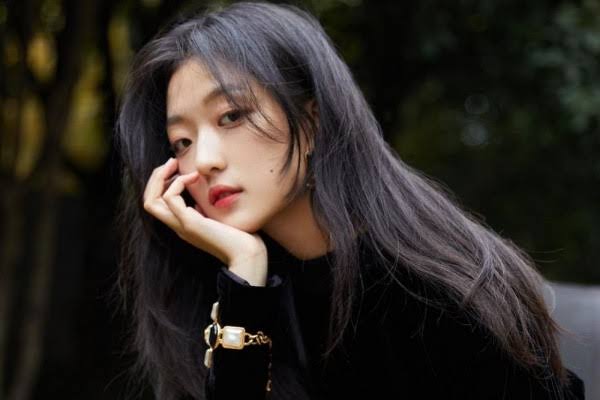
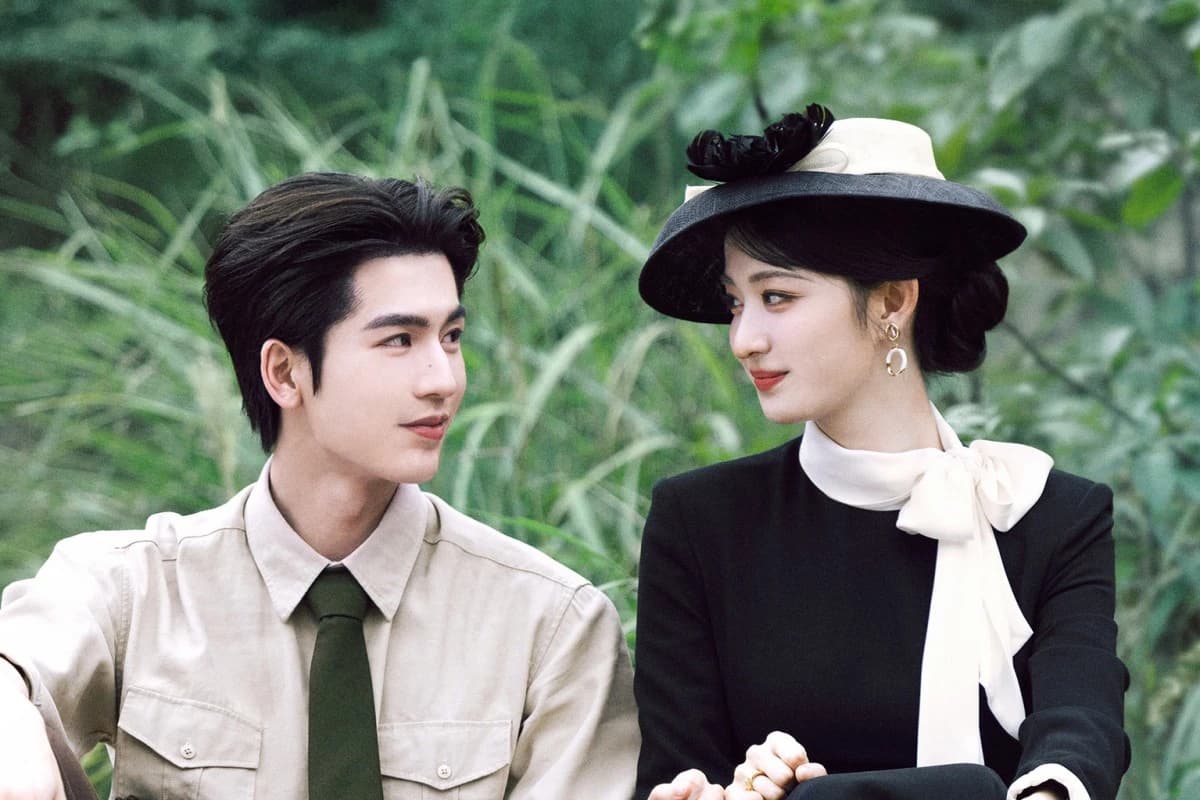
Since its premiere, Overdo, starring Zhang Linghe and Wang Churan, has become one of the most talked-about dramas on Chinese social media. Discussions about its AI-generated opening and what many described as a “short drama feel” quickly climbed the trending charts.
However, according to an analysis by Sohu Entertainment, the backlash has little to do with viewers rejecting AI technology itself.
Over the past year, China’s short-form video platforms have been flooded with dramas created entirely with AI. Many feature increasingly polished visuals, smoother animation, and more sophisticated artistic styles. In other words, Chinese audiences have already become accustomed to high-quality AI-generated content.
That familiarity has also raised their expectations.
High Expectations Turned Into Disappointment
Sohu argued that Overdo’s opening sequence simply didn’t measure up to the quality audiences have come to expect from AI-generated visuals. While some viewers praised its oil painting-inspired aesthetic, negative reactions overwhelmingly dominated online discussions, with many describing it as “cheap” and lacking sincerity.
The disappointment was amplified by the enormous anticipation surrounding the drama long before its premiere.
Set during China’s Republican era, Overdo stars Zhang Linghe and Wang Churan in a melodrama filled with mistaken identities, childhood romance, and emotionally complicated relationships. During filming, behind-the-scenes photos repeatedly went viral, earning praise for the cast’s chemistry, period costumes, and overall visual style.
As a result, many viewers expected the series to deliver a premium viewing experience from its very first scene.
Instead, the AI-generated opening left some feeling that the production failed to live up to the expectations it had spent months building.
The Issue Isn’t AI—It’s How It’s Used
The criticism didn’t stop with the opening sequence. Many viewers also felt that the first episode itself carried the look and pacing of a short-form web drama.
According to Sohu, that impression wasn’t just about the melodramatic plot twists. It also stemmed from the directing style, camera work, and storytelling rhythm, which some viewers felt resembled fast-paced vertical dramas rather than the more cinematic, immersive style typically associated with full-length television series.
Sohu argued that the controversy shouldn’t be interpreted as resistance to AI.
As the technology continues to evolve and the entertainment industry looks for more efficient production methods, AI is expected to play an increasingly important role in long-form television.
The real issue, the outlet argued, is how it’s being used.
When AI is employed behind the scenes—whether to expand backgrounds, create digital crowds, or enhance visual effects without drawing attention to itself—it can elevate the final product. But when it becomes one of the first things audiences see and fails to meet expectations, it risks undermining the premium image of a big-budget production.
Ultimately, Sohu concluded that the controversy surrounding Overdo isn’t about rejecting AI as a creative tool. Rather, it’s a reminder that audiences expect technology to enhance quality—not replace the craftsmanship and care they associate with prestige television.