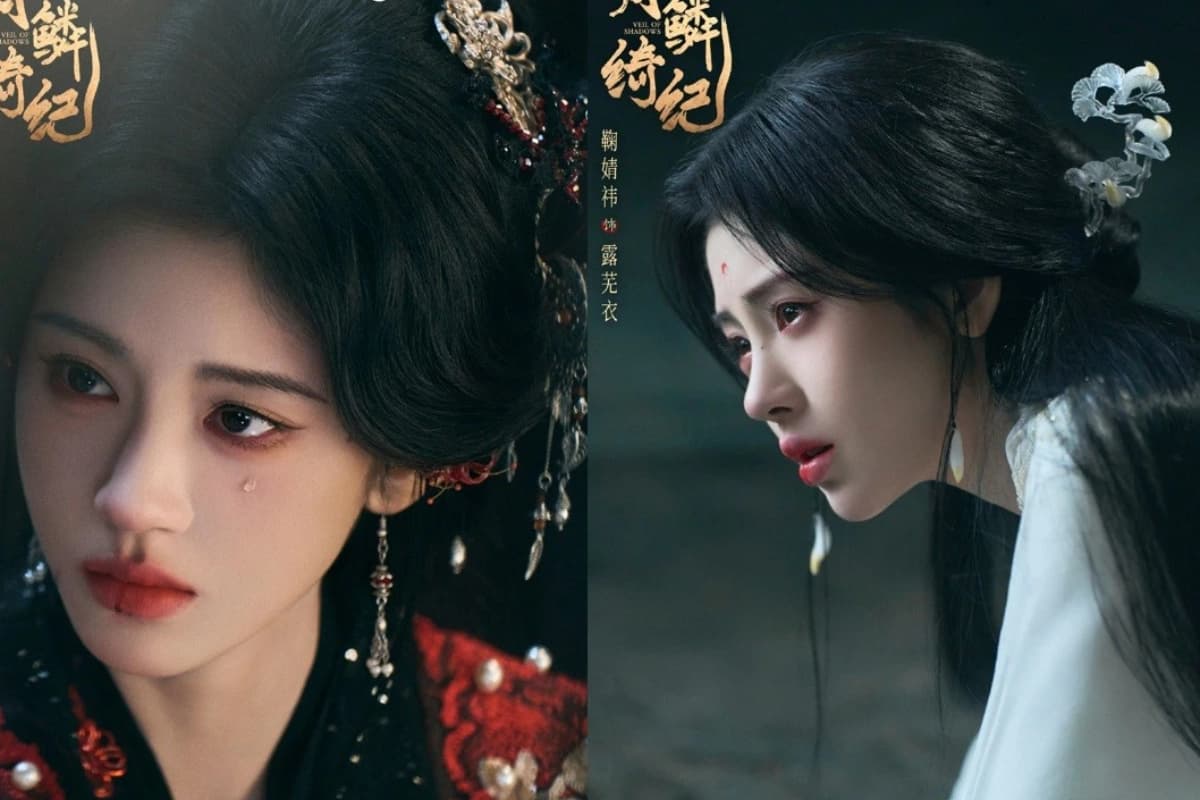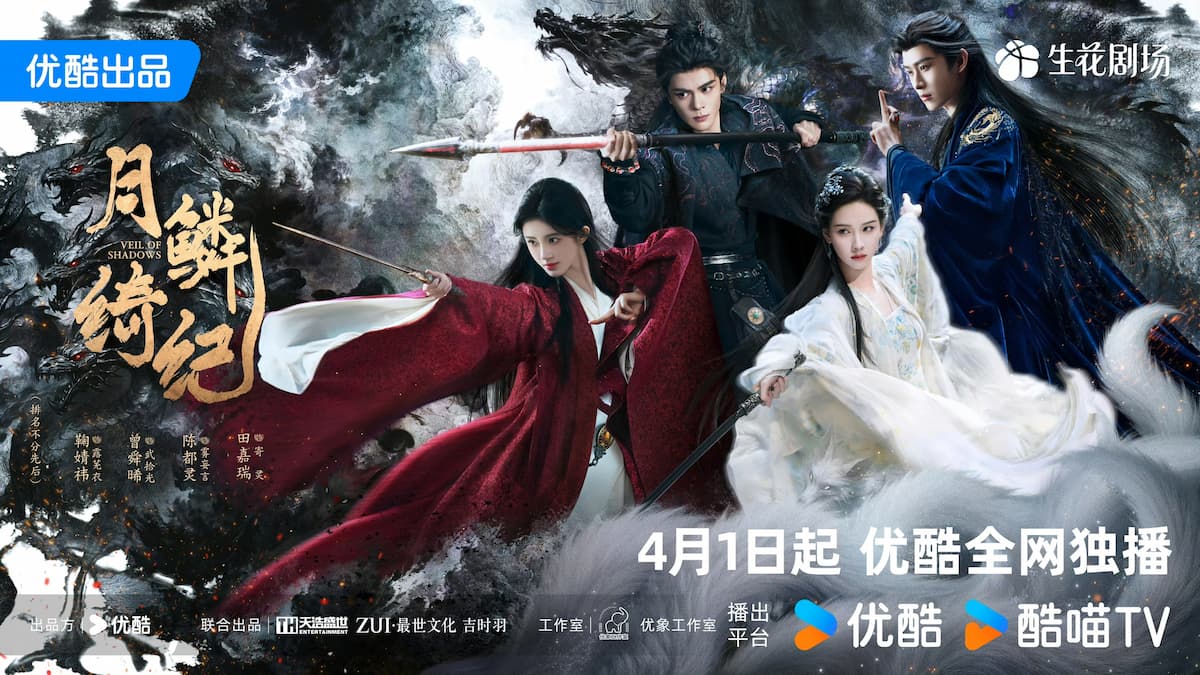
LayarHijau—The C-drama scene just got a major upgrade with the global premiere of the romantic fantasy epic Veil of Shadows (月鳞绮纪), now streaming on Netflix and Youku as of April 1, 2026. Directed and penned by Lu Jue (Guo Jingming), the series features a powerhouse cast including Ju Jingyi, Joseph Zeng (Zeng Shunxi), Chen Duling, and Tian Jiarui. Centered on the haunting theme that “painting a face is easy, but painting a heart is nearly impossible,” the drama dives deep into the human psyche, forcing its characters to confront their true identities amidst a web of secrets and destiny.
The Luo’an Heart-Plucking Mystery and the Clash of Factions
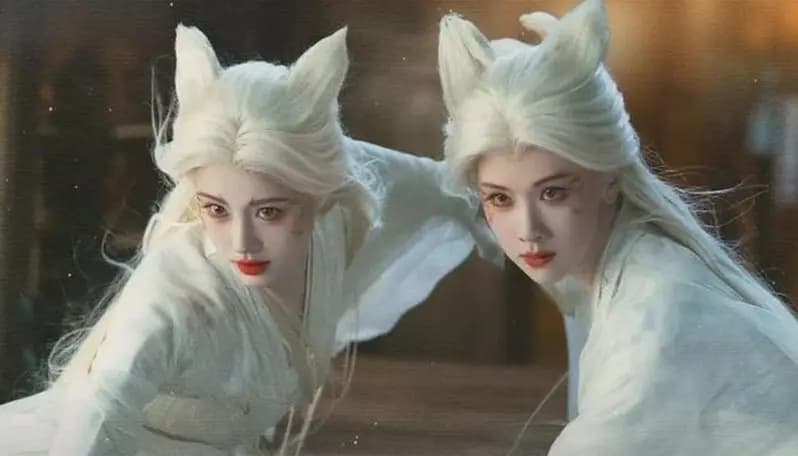
The story kicks off with a series of gruesome “heart-plucking” murders that have left Luo’an City in a state of panic. This mystery brings several rival factions together at the Wei estate on the wedding day of the family patriarch, Wei Qing, and his fiancée, Yu Shengwei. All eyes are on Xiao Wei, a fox demon suspected of being the mastermind behind the bloodshed.

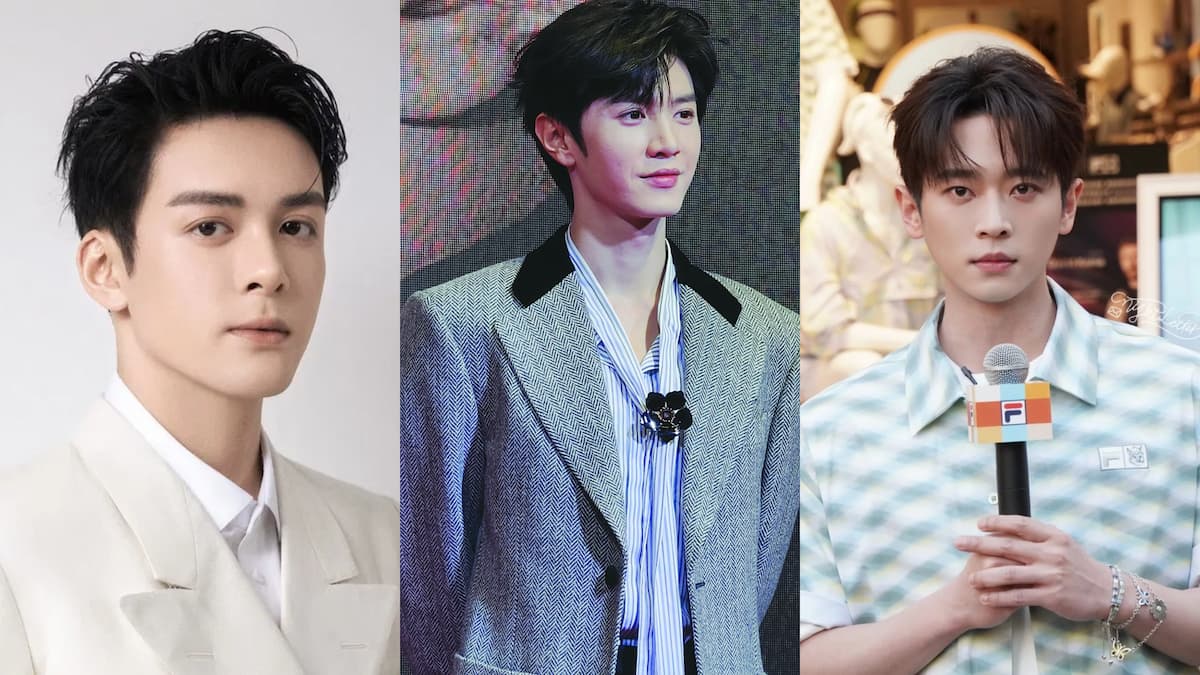
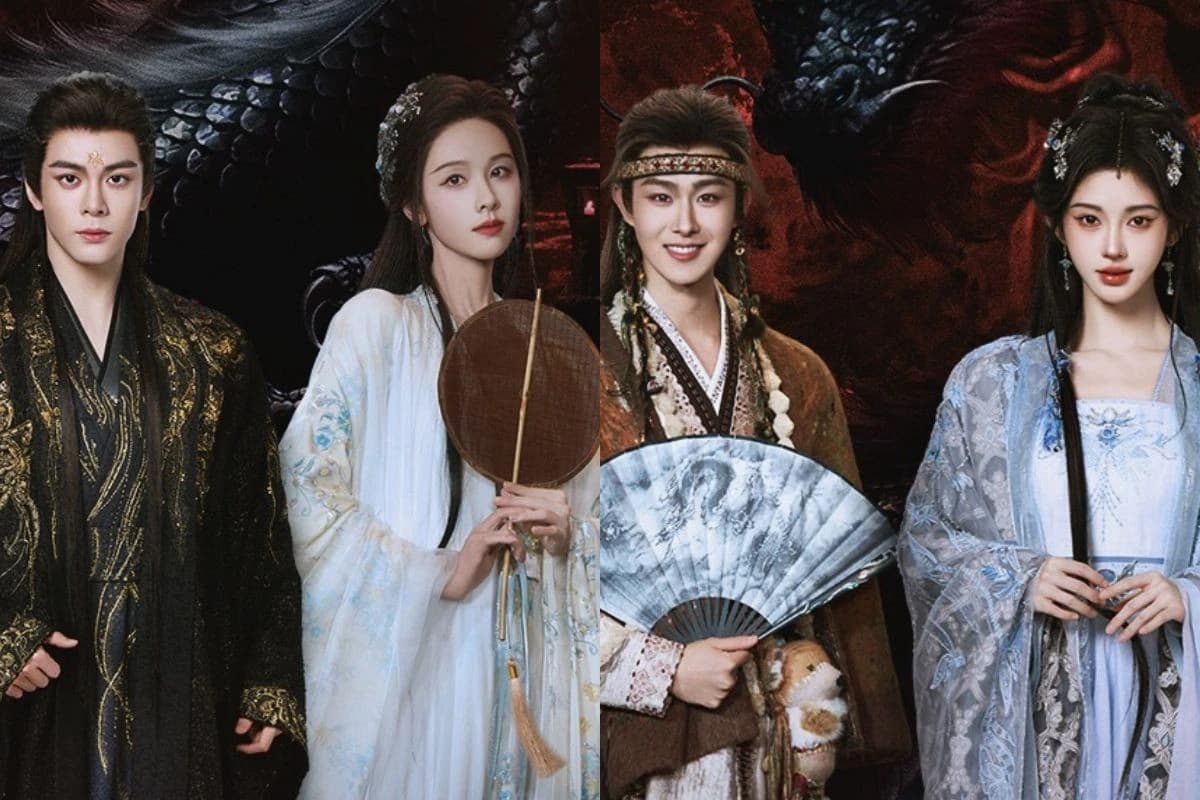
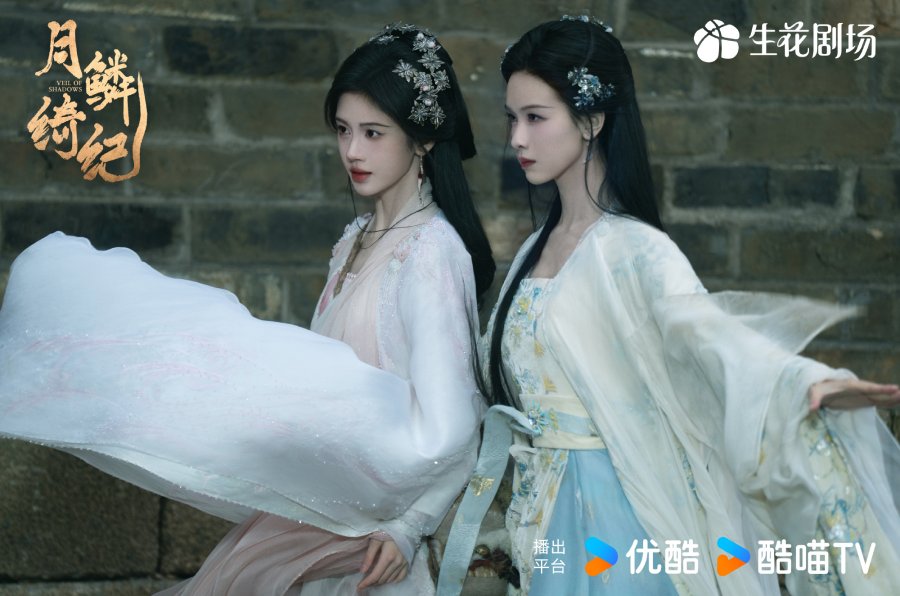
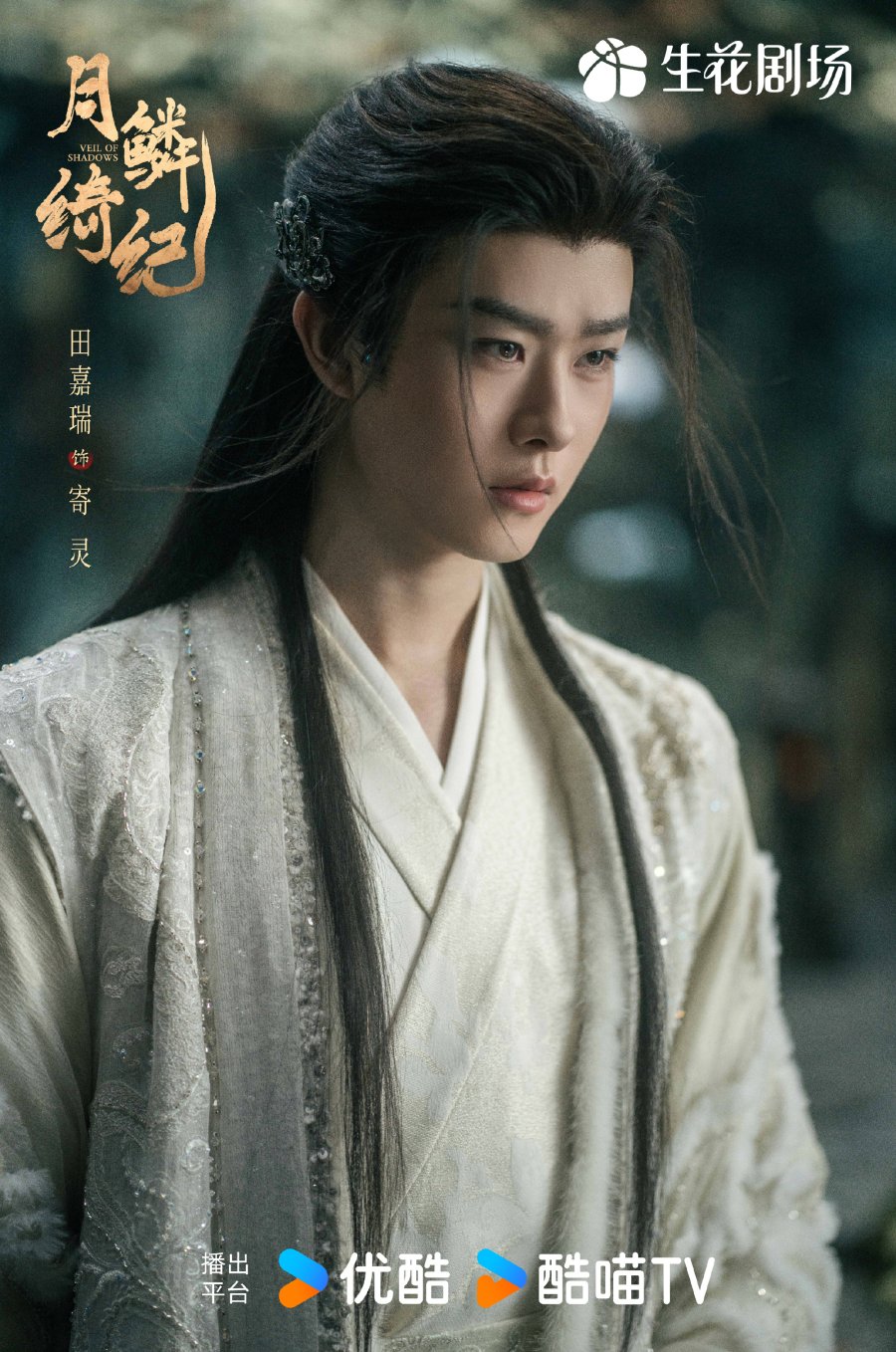
As the hunt for Xiao Wei intensifies, three distinct groups infiltrate the Wei residence, each with their own agenda. First, we have the elite demon hunters from the Shilin Sect (侍鳞宗), Ji Ling (Tian Jiarui) and Li Jie (Yan An). They are joined by Wu Shiguang (Joseph Zeng), a rogue demon hunter from the common folk. Lastly, two envoys from the mysterious Wuxiang Yue Sect (无相月)—also known as Phaseless Moon—Lu Wuyi (Ju Jingyi) and Wu Wangyan (Chen Duling), arrive with orders to capture Xiao Wei for her betrayal. However, the stakes are much higher than a simple hunt, eventually drawing in the Dragon God, Chi Wen, and the ultimate demon lord, Jiuying.
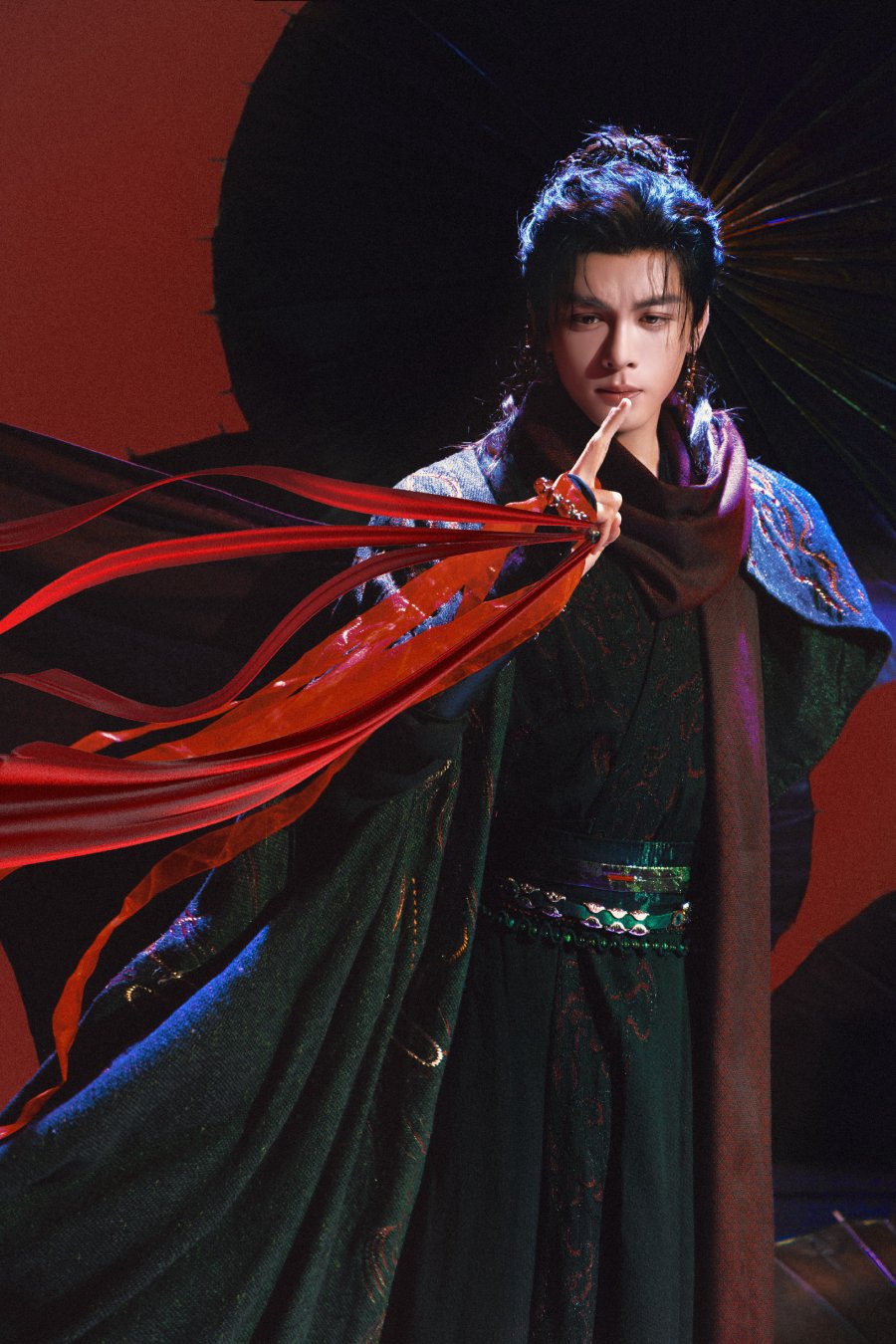
A Modern Twist on the Classic ‘Painted Skin’ Legend
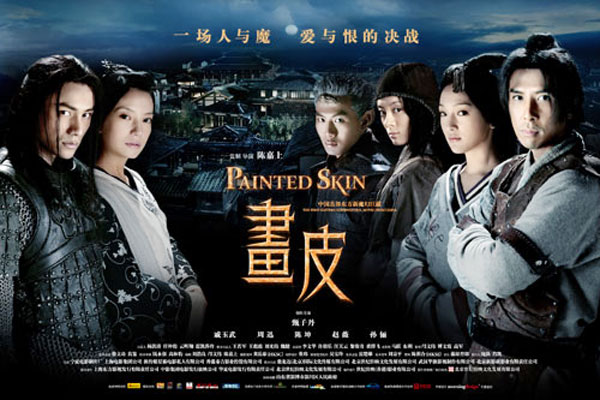
Fans of Chinese literature will immediately recognize the show’s deep ties to Pu Songling’s 18th-century masterpiece, Painted Skin. While it draws from the original Strange Tales from a Chinese Studio, Veil of Shadows (月鳞绮纪) feels more like a spiritual successor to the legendary 2008 film starring Donnie Yen and Zhou Xun.
The connective tissue lies in Xiao Wei, the fox demon who was saved thousands of years ago by a man named Wang Sheng. Driven by a centuries-long obsession, Xiao Wei has spent lifetimes tracking down Wang Sheng’s reincarnations. Meanwhile, Lu Wuyi and Wu Wangyan find themselves caught in the middle as they hunt down their rogue sister. As the layers peel back, it becomes clear that characters like Ji Ling and Wu Shiguang are hiding much more than they let on, especially as the mystery of the Dragon God’s power begins to unfold.
Breaking Down the Title and Its Rich Mythology
The Mandarin title, Yue Lin Qi Ji (月鳞绮纪), is packed with poetic symbolism. Yue (月), or the Moon, represents the Wuxiang Yue Sect and its fox demons, Lu Wuyi (Ju Jingyi) and Wu Wangyan (Chen Duling). Lin (鳞) refers to scales, representing the dragon clan and the Dragon God himself, Ji Ling (Tian Jiarui). Qi (绮) signifies both the visual splendor of the show and the delicate, tragic nature of love, while Ji (纪) stands for a grand chronicle across time. Together, it represents an epic saga of fate across three realms.
The international title, Veil of Shadows, perfectly captures the “painted heart” theme. Veil hints at the disguises the characters wear—demons hiding in human skin and hunters hiding their true motives. Shadows reflects the darkness and past traumas that follow them. Similarly, the Indonesian title Kabut dalam Kegelapan (Mist in the Darkness) paints a picture of uncertainty, where characters struggle to find themselves (“Who am I?” and “Why do I exist?”) amidst a cruel and unforgiving fate.
Traditional Lore Meets High-End Production
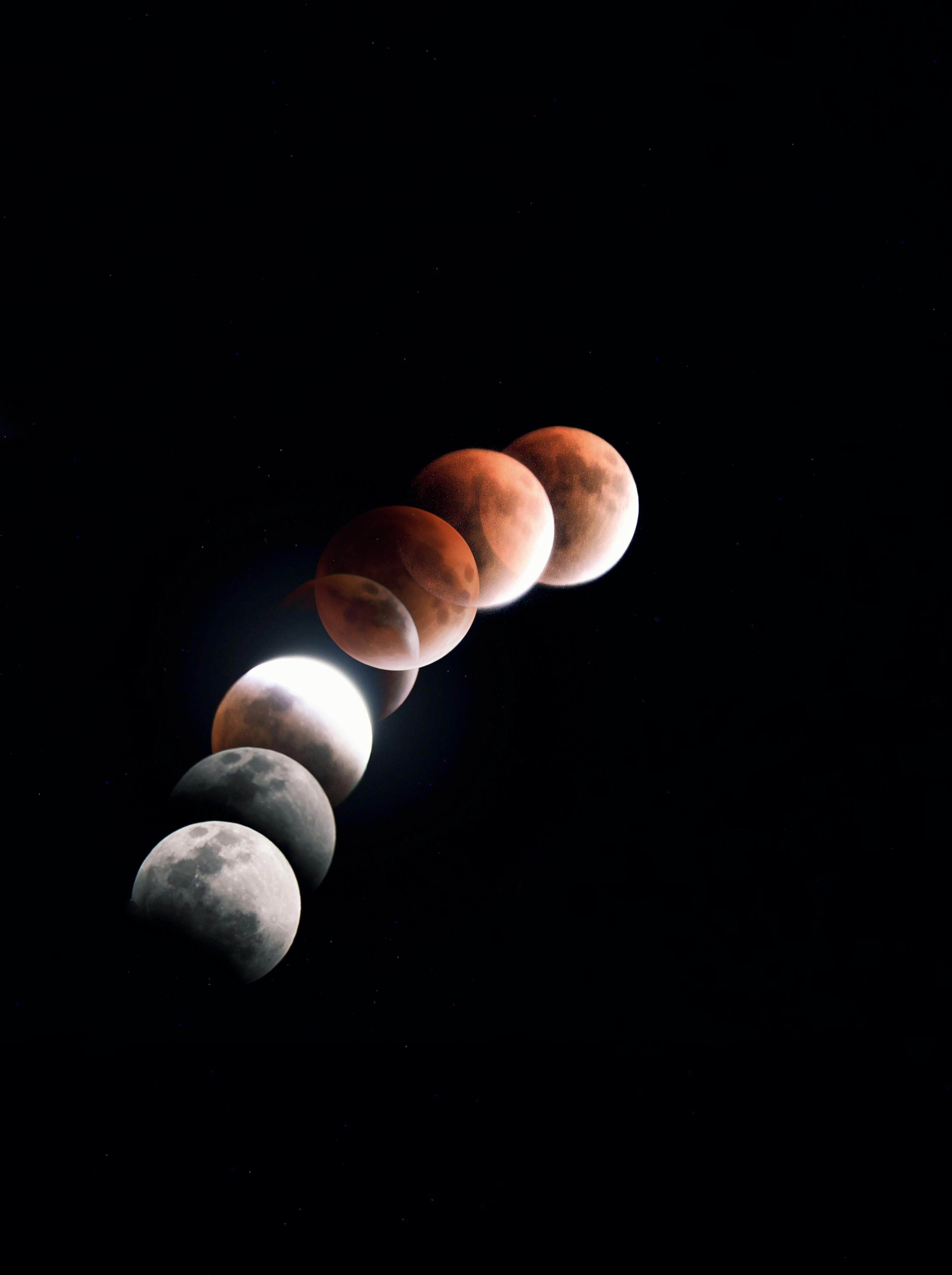
What sets Veil of Shadows (月鳞绮纪) apart is its commitment to authentic Chinese culture. Creatures like the nine-tailed fox, Haiba, and Wuzhiqi are all pulled straight from the ancient text Shan Hai Jing. Even the Wuxiang Yue sect isn’t just fiction; it’s rooted in the traditional synodic lunar calendar, where the phases of the moon mirror the waxing and waning of human destiny.
On the production side, the team aimed for a “pause-as-wallpaper” visual standard. Filming took place at authentic historical sites in Puyuan and massive custom sets in Hengdian, including a fully functional pier and artificial lake. To ground the desert scenes of the Shuangxu Shayuan arc in reality, they hauled over ten tons of real yellow sand into a 9,000-square-meter studio. Even the costumes are a feat of engineering; designed for 4K特写 (close-ups), every gemstone and bead on the shoulders and collars was hand-sewn to ensure flawless detail.