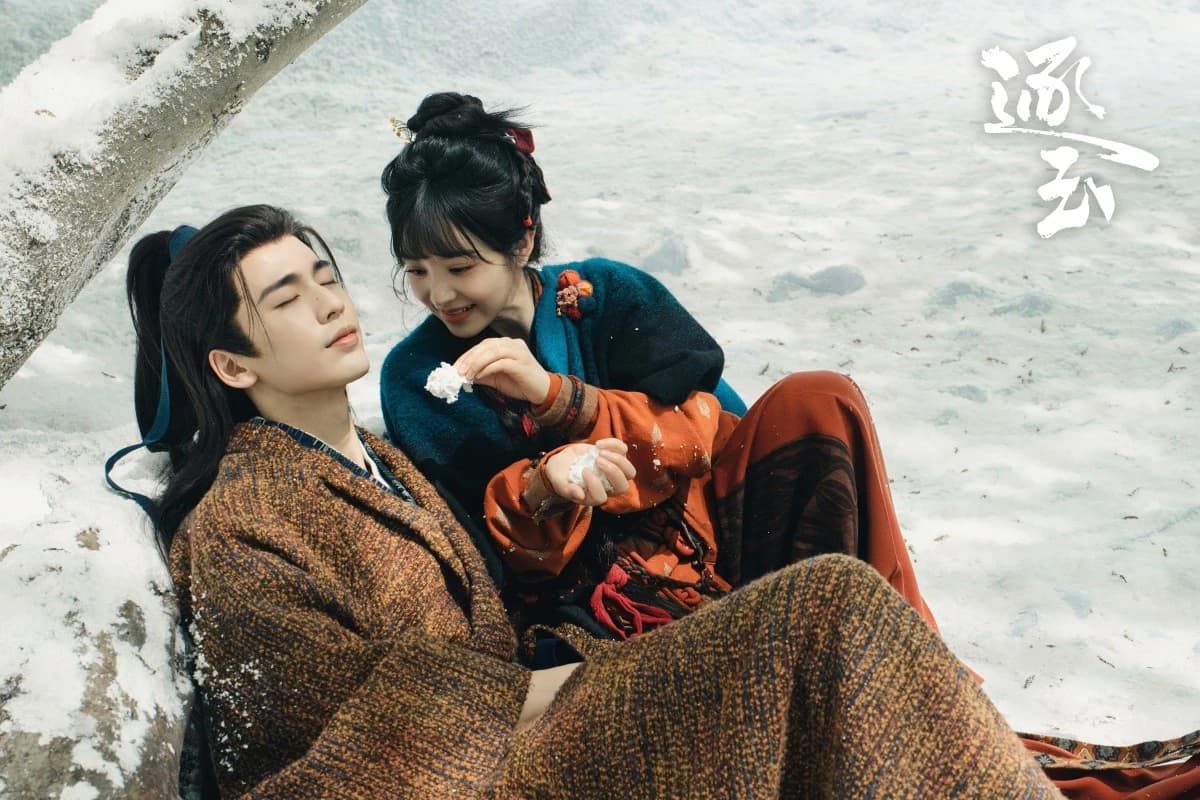
LayarHijau – On March 11, the offline event for Pursuit of Jade featured a special moment when Deng Kai and Snow Kong recreated one of the drama’s iconic scenes. In the scene, Deng Kai hugged Snow Kong around the waist with one hand, while the other hand supported the back of her head, a move both intense and precise. Yet, once the cameras stopped rolling, both appeared shy—Deng Kai held his chest with his hand, face flushed, while Snow Kong looked down, smiling shyly. This brief contrast between “on-screen romance” and their real reactions instantly went viral, catching attention not only in China but also among international fans.
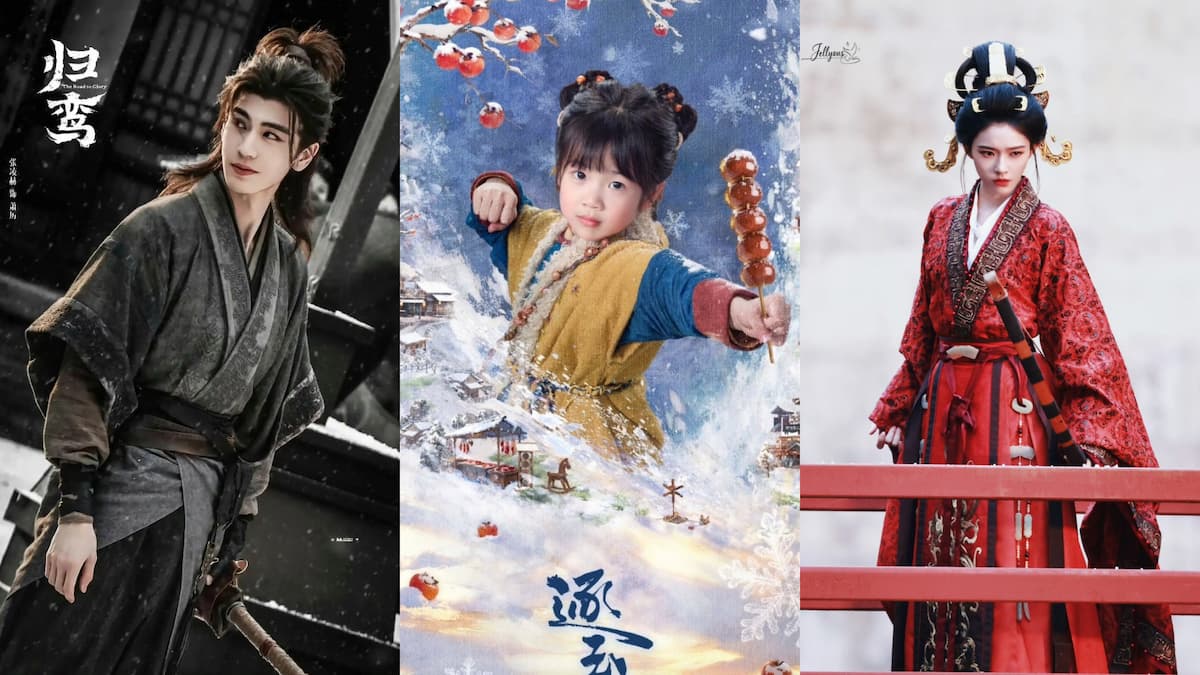
In the drama, Deng Kai plays Qi Min, a crazy prince with a disfigured face, while Snow Kong portrays Yu Qianqian, a single mother running away with her child. Their relationship is a classic mix of “forced love” and “painful romance.” During the offline recreation, Deng Kai expressed aggressive yet deeply caring emotions convincingly, his gaze intense, and the tension between them immediately felt by the audience.
Next articles

The moment became a global talking point because of their shy off-screen reactions. International fans flooded TikTok with the hashtag ChinesePeriodDramaCP, sharing slow-motion videos and reaction clips of the embrace. Fans in Southeast Asia commented, “Help, they are shyer than me watching the drama,” while Latin American fans wrote, “The contrast here is incredible.”
#dengkai and #KongXueer interaction during #pursuitofjade promotion pic.twitter.com/ctpHVHQMbr
— Layar Hijau (@layar_hijau) March 12, 2026
Small details also captured hearts. Some fans noticed that between takes, Deng Kai naturally helped Snow Kong remove flower petals from her hair. This simple gesture was seen as gentle and caring, further reinforcing their on-screen chemistry for global fans.
Their international success is also supported by the story and characters that are easily understood across cultures. Qi Min and Yu Qianqian’s story combines a strong, obsessive male character, a smart and resilient female character, intense emotional conflict, and a love story full of push-and-pull. This combination resonates with audiences worldwide.
#dengkai #kongxueer #pursuitofjade pic.twitter.com/Lfw8W6GZUV
— Layar Hijau (@layar_hijau) March 13, 2026
In Southeast Asia, viewers can quickly grasp family conflicts and the characters’ fates. In Latin America and Europe, the emotional intensity alone is a major draw. An international critic noted, “You don’t need to understand all the cultural context—just look at their eyes and expressions to feel the passionate, conflicted love.”
The success also highlights the appeal of unique character design. Global audiences have grown tired of perfect princes and princesses. Extreme characters—a strong woman and a dark prince—bring a refreshing new dynamic that is widely accepted. JTBC acquired the rights early because this concept breaks the stereotype of traditional costume romances.
Their promotion strategy also serves as a global example. From live-streaming scenes to natural offline interactions, Deng Kai and Snow Kong maintain the right boundaries. They fulfill fans’ imaginations without overhyping their real-life relationship, which encourages fan creativity and amplifies viral discussion.
This approach opens a new path for Chinese dramas to reach international markets: instead of focusing only on the main leads, creating memorable characters works best. Strong supporting characters and subplots can build buzz and attract a diverse audience. This strategy proved successful as Pursuit of Jade topped streaming charts in multiple countries on Netflix.
The impact is visible in the numbers. Pursuit of Jade’s popularity on iQIYI International and Netflix continues to rise, especially in Singapore and Thailand, consistently ranking at the top. International fans were initially drawn by Deng Kai and Snow Kong’s chemistry, then followed the main plot, significantly boosting overall viewership.
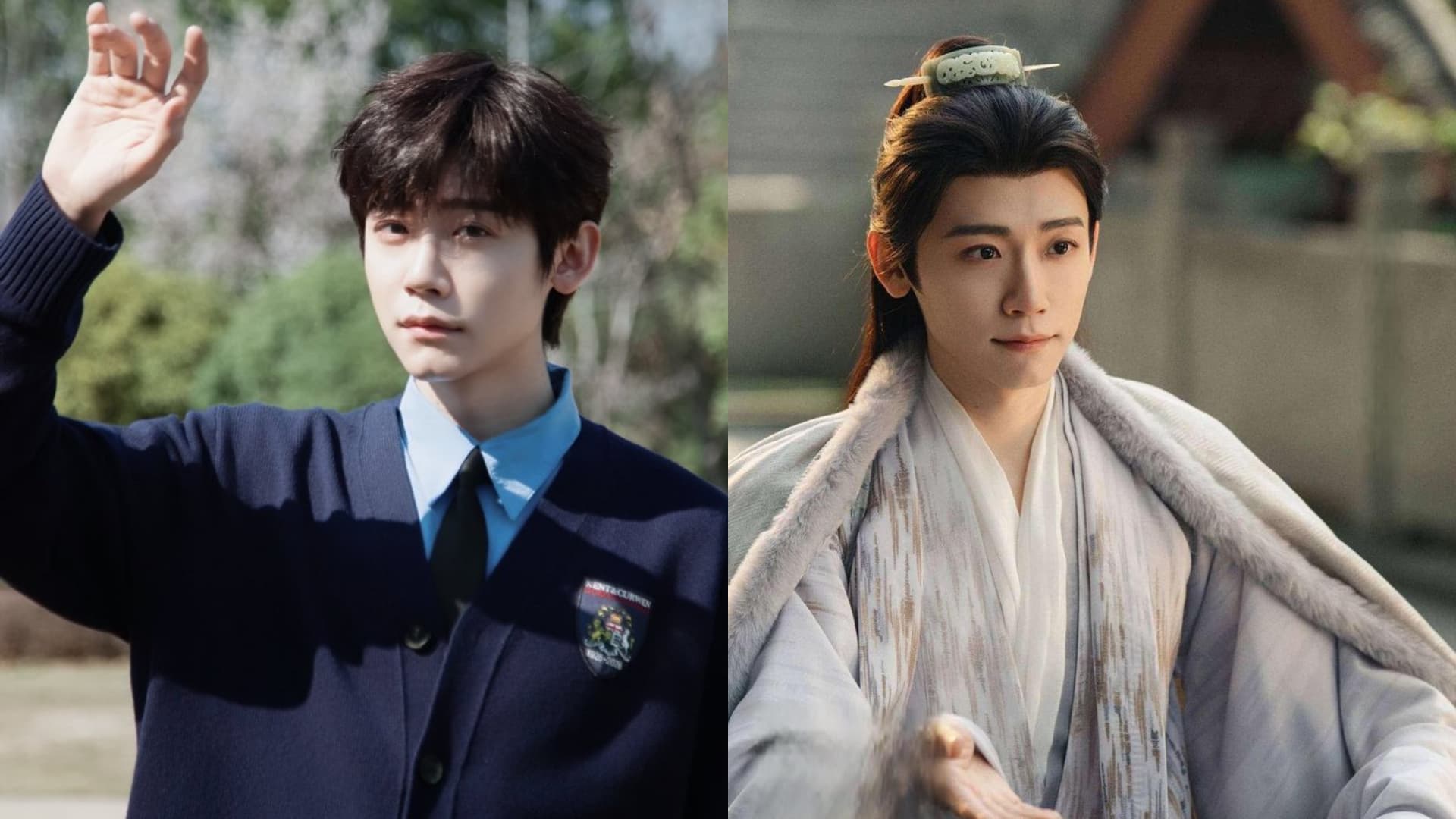
For Deng Kai and Snow Kong, this marks a successful international debut. Deng Kai was praised by international media as “a new complex antagonist face in Chinese costume dramas,” while Snow Kong proved her acting ability, breaking the stereotype of “a pretty idol with no acting skills.” Their popularity and commercial value have risen, opening opportunities for international projects.
Although some controversies arose, such as Korean fans’ criticism of costumes, this sparked broader cross-cultural discussions. Fans in Southeast Asia and the West actively explained Hanfu, effectively creating a natural cultural exchange. Discussions about drama data in China also showed the maturity of the Chinese entertainment industry—audiences are critically evaluating content, not just star power.