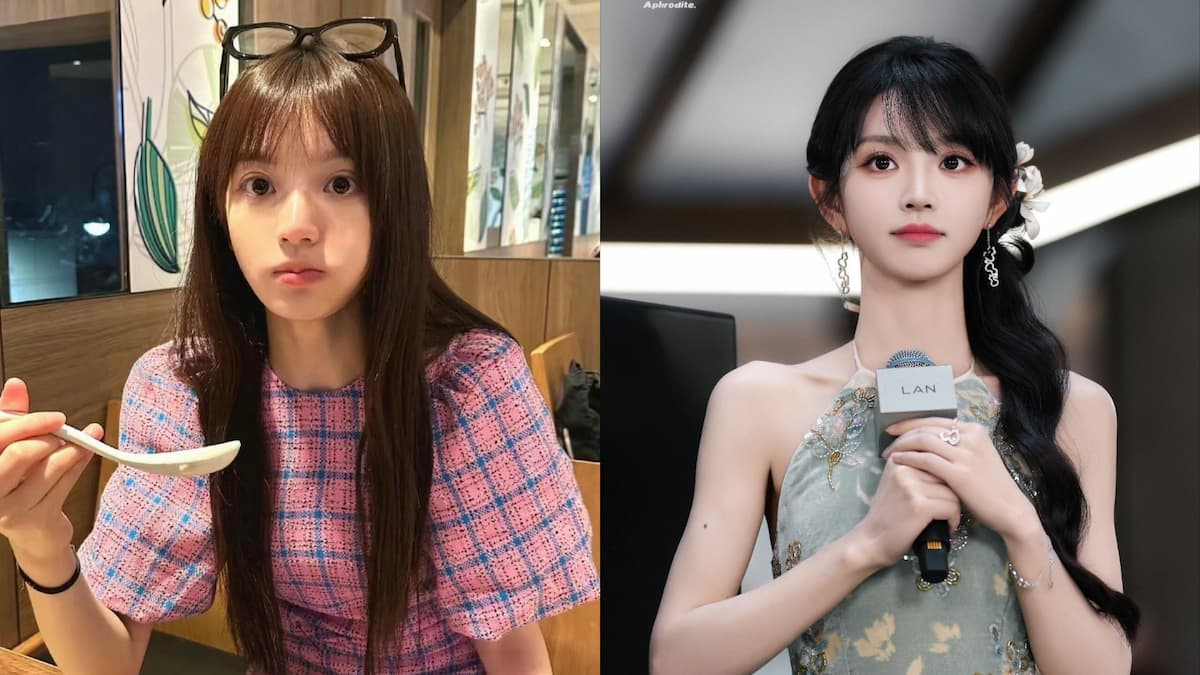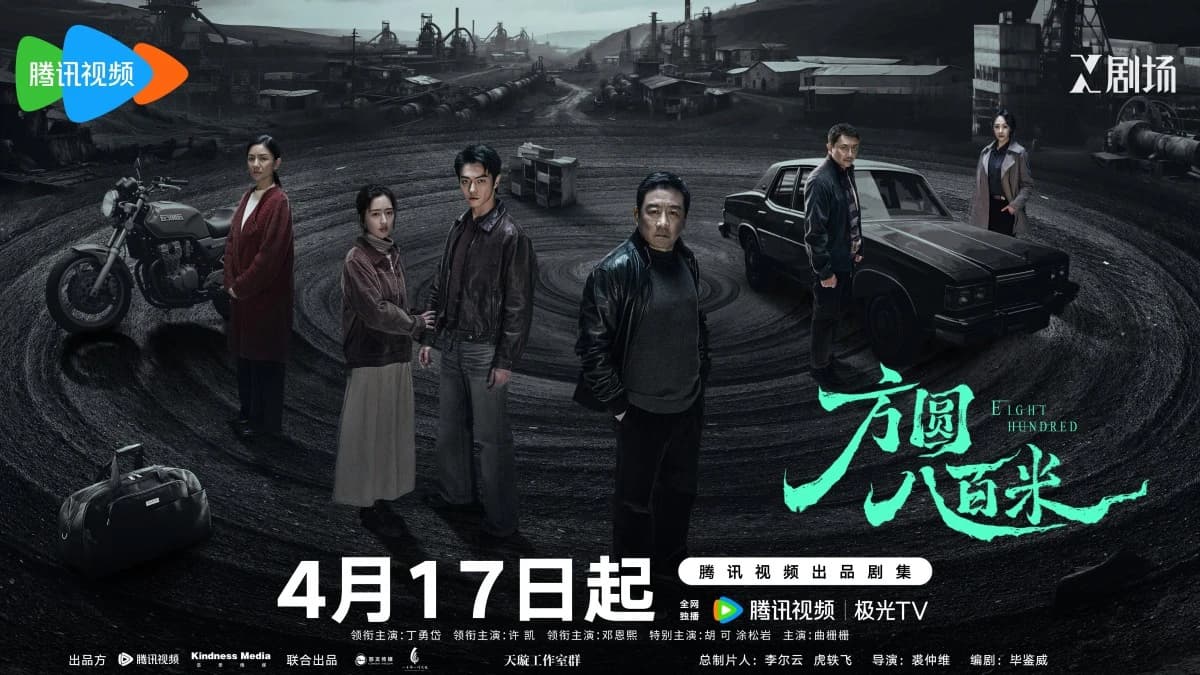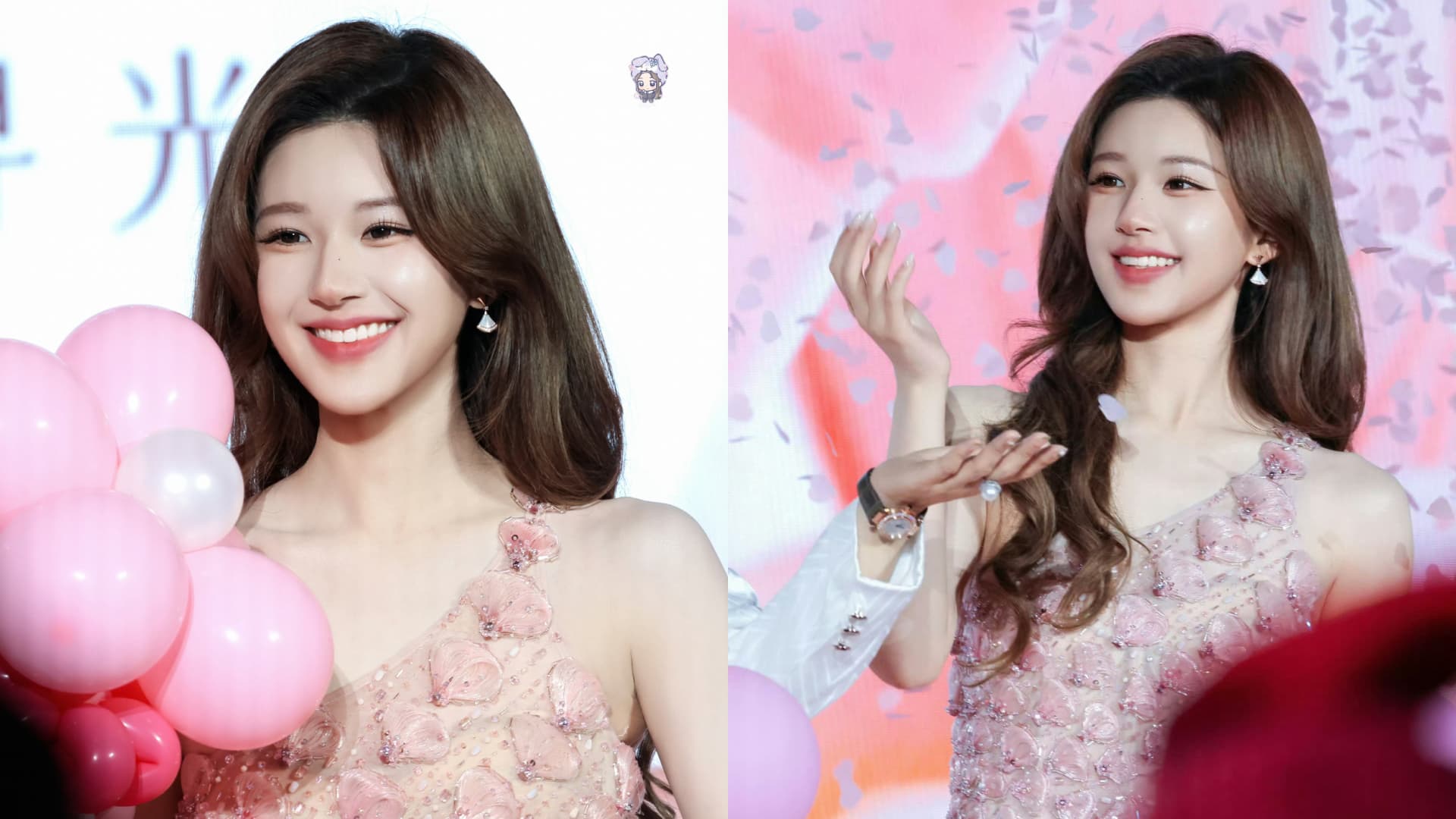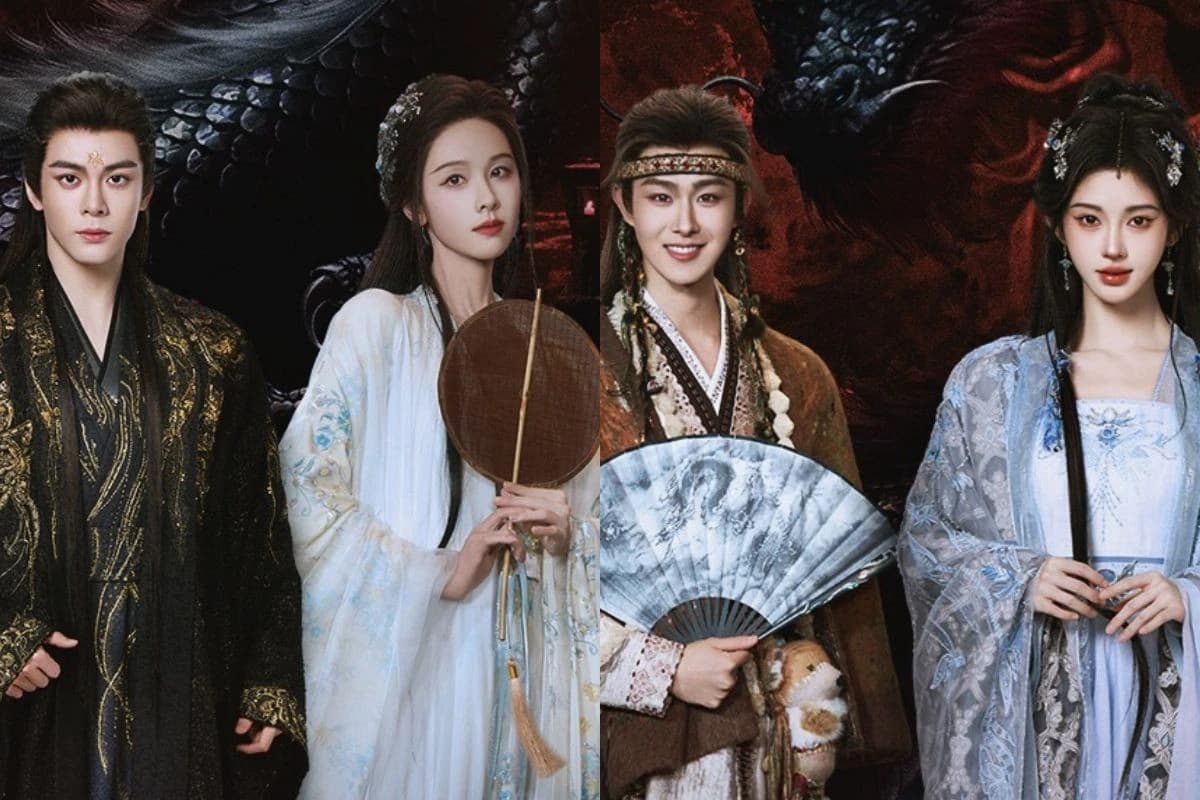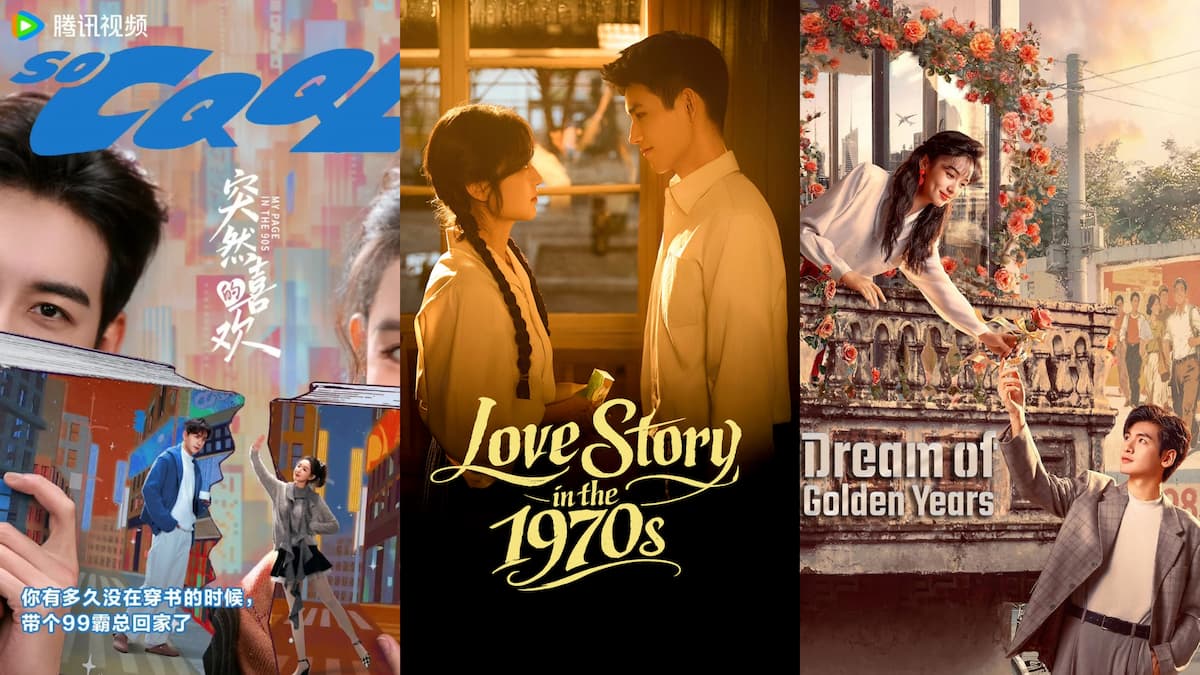
LayarHijau – Throughout this year, the Chinese drama industry has shown a noticeable shift. Several titles such as Dream of Golden Years, Love Story in the 1970s, and My Page in the 90s have embraced settings from the 1970s to the 1990s, marking a growing trend of romance dramas infused with nostalgic elements.
As modern dramas increasingly feel too close to everyday life and costume dramas risk becoming formulaic, blending romance with a past-era backdrop offers something refreshing. This nostalgic approach creates just the right emotional distance—grounded enough to feel real, yet distinct enough to deliver a new viewing experience.

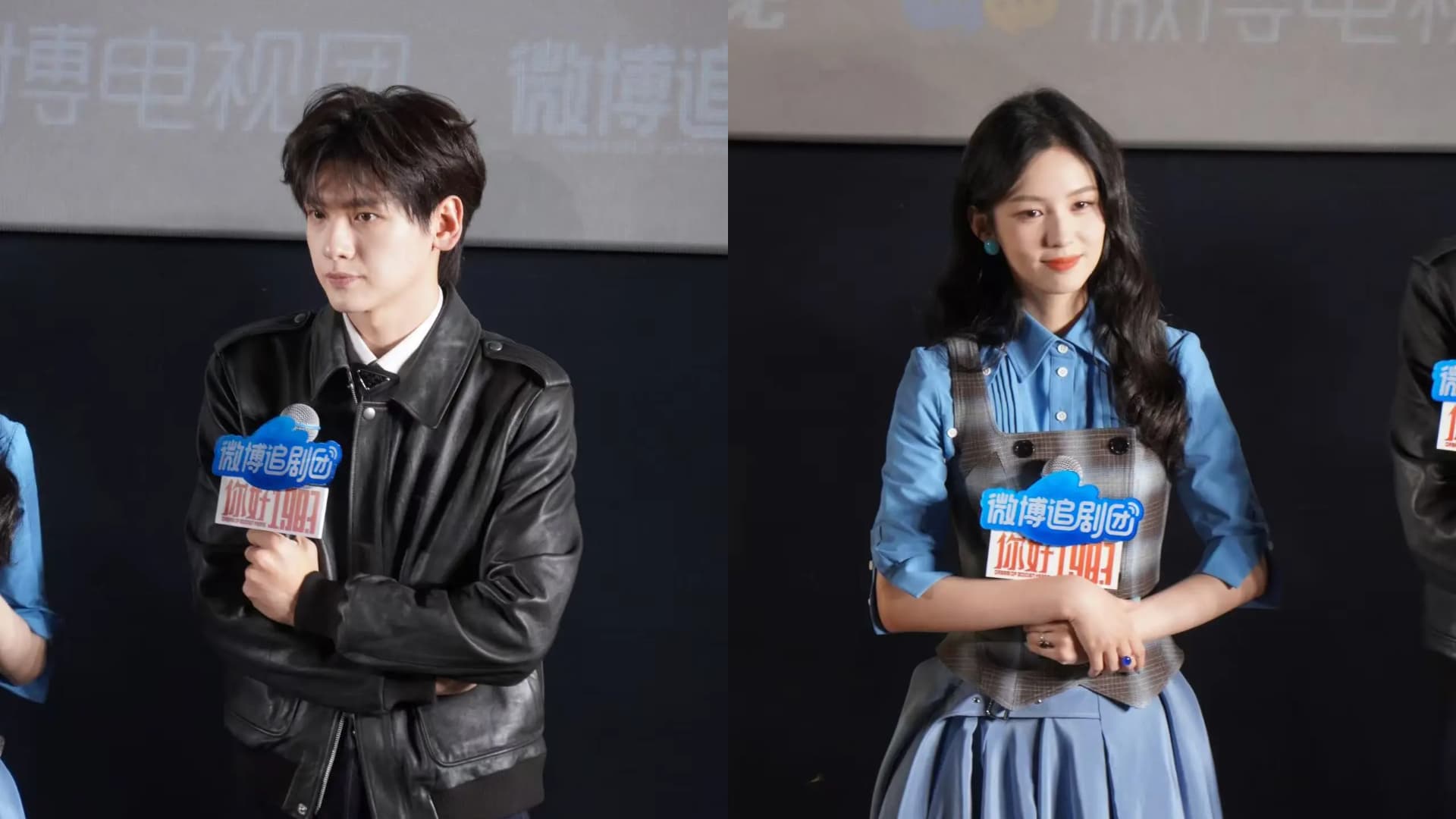


One of the most talked-about examples is Dream of Golden Years. The drama follows Xia Xiaolan, a modern woman who suddenly finds herself transported to 1983, living as an 18-year-old girl in a rural village. Starting from scratch, she builds her life step by step—selling duck eggs and fried snacks before eventually venturing into the clothing business and real estate. Along the way, she finds both success and a growing romance with Zhou Cheng, a talented legal mind.
A major appeal of dramas like this lies in how they recreate the atmosphere of a specific era. This is reflected in costume design, set details, and original soundtracks. In Dream of Golden Years, for instance, Xia Xiaolan initially wears simple floral blouses typical of rural life, later transitioning into bright retro dresses as her fashion business grows. Her hairstyle also evolves into the curled styles popular at the time.
More importantly, these dramas capture the spirit of their respective eras. They portray a time filled with optimism—when hard work truly seemed capable of changing one’s fate. Xia Xiaolan’s rise is not just a result of personal effort, but also of being in the right era with the right opportunities. This balance between historical realism and distance from modern life enhances the audience’s sense of satisfaction.
Romance in these period dramas also carries distinct characteristics. Zhou Cheng, for example, does not rely on grand or flashy gestures. He confesses his feelings sincerely, and after being rejected, chooses to start as a pen pal and study partner. Meanwhile, Xia Xiaolan, with her modern mindset, often says things he cannot quite understand, creating a charming contrast between two different eras.

Meanwhile, Love Story in the 1970s, which recently concluded, is set in the late 1970s. It centers on Fei Ni, a female worker in a hat factory, who enters a contract marriage with Fang Muyang—a man who loses his memory after a heroic act of saving someone. Although they initially share a living space for practical reasons, genuine feelings gradually develop between them.
Their relationship and life paths are deeply shaped by the era they live in. Once classmates, they were separated when Fang Muyang was sent to the countryside. Years later, they reunite under very different circumstances. In an effort to gain a chance at university, Fei Ni takes care of Fang Muyang, now known as a hero, hoping to secure a recommendation. What begins as a relationship driven by necessity evolves into a deep emotional bond. In the end, Fei Ni achieves her dream of attending university, while Fang Muyang fulfills his aspiration of becoming a painter.
Both dramas are considered strong in their portrayal of period details, from visual elements to storytelling, continuing the tradition of well-crafted family dramas set in earlier decades.
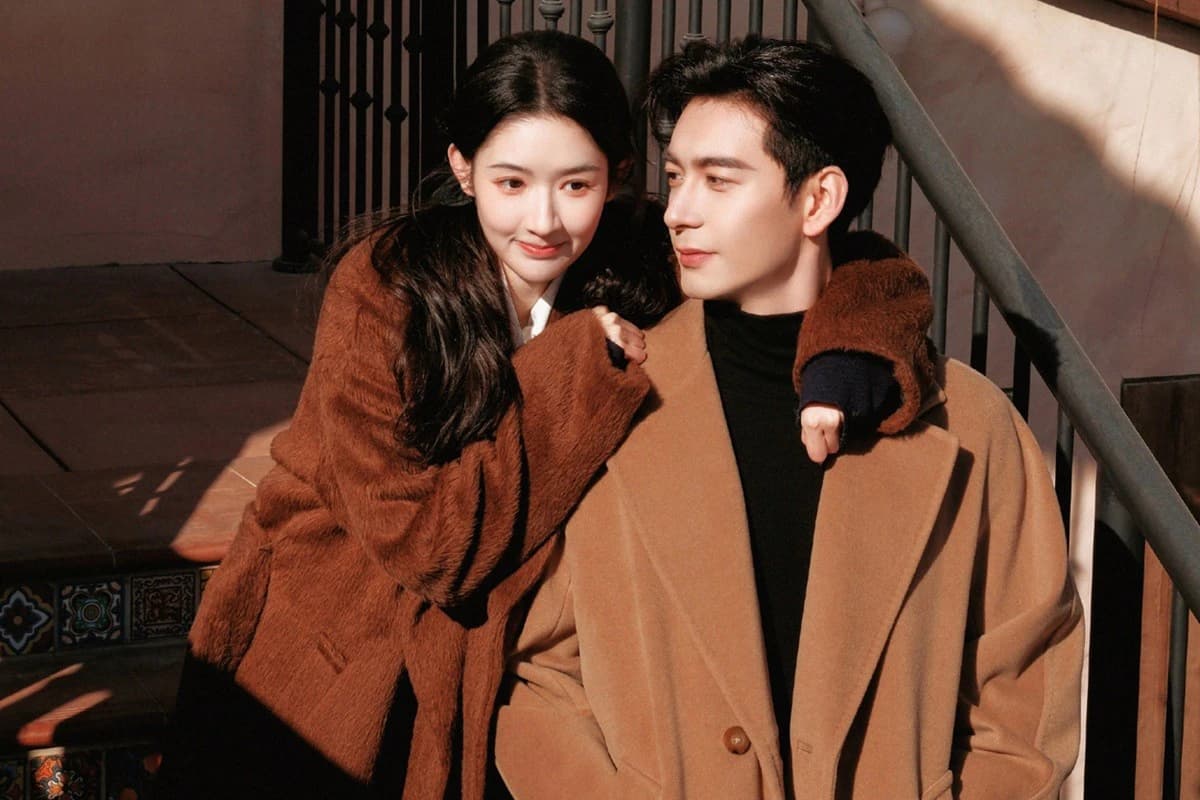
In contrast, My Page in the 90s has drawn criticism for its relatively weak execution of the period setting. The story follows Lin Huan’er, a relationship content streamer from 2025 who enters an old romance novel and meets Gao Haiming, a wealthy man from 1999. In order to return to her real world, she must navigate a series of strategies to win him over.
Despite being set around the turn of the millennium, many viewers feel that the period atmosphere is not convincingly portrayed. Without prior context, it can easily be mistaken for a standard modern drama. The development of the central romance also lacks a strong connection to its era, leaving only a thin layer of nostalgic elements. This has become one of the most common criticisms during its broadcast.
Overall, this trend shows that romance dramas are exploring new ways to stay relevant, with nostalgia emerging as a key creative direction. Market responses suggest that this approach holds significant potential, even though no title has yet achieved breakout success. For creators, there is still plenty of room to further refine and expand this genre.