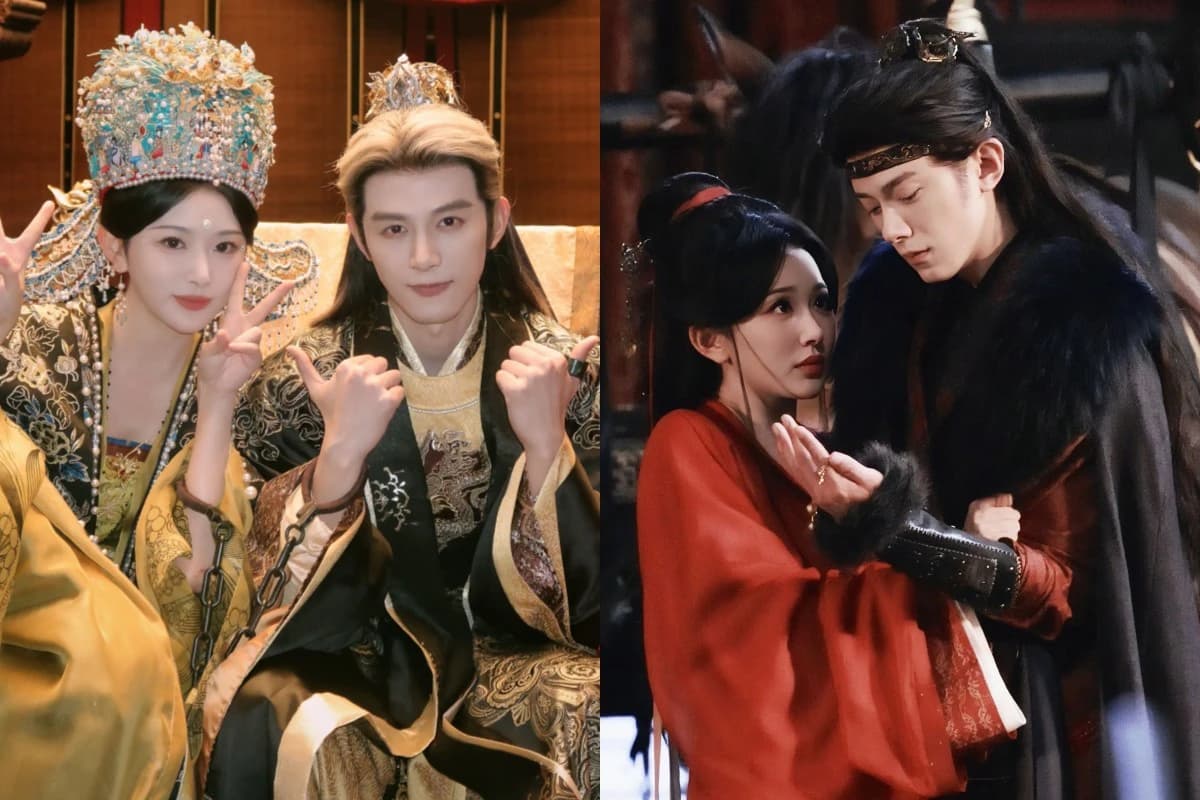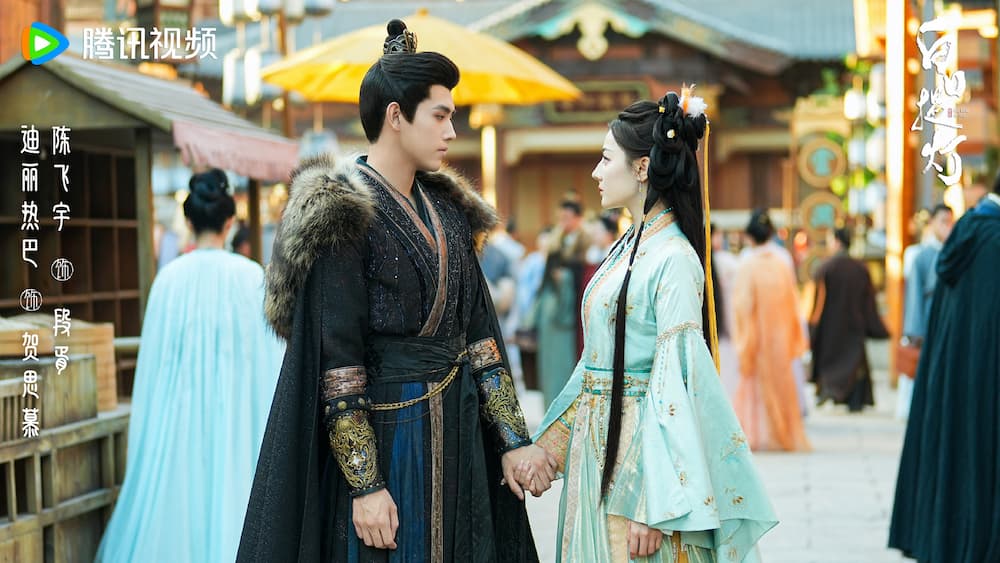
LayarHijau— The drama starring Dilraba Dilmurat and Arthur Chen, Love Beyond the Grave, recently aired its final episode. The series is adapted from Li Qing Ran’s novel Bai Ri Ti Deng (Lamp of the Daylight). While the drama largely follows the novel’s main storyline, several important changes were made, especially in its ending.
Warning: this article contains spoilers about the ending.
Next articles

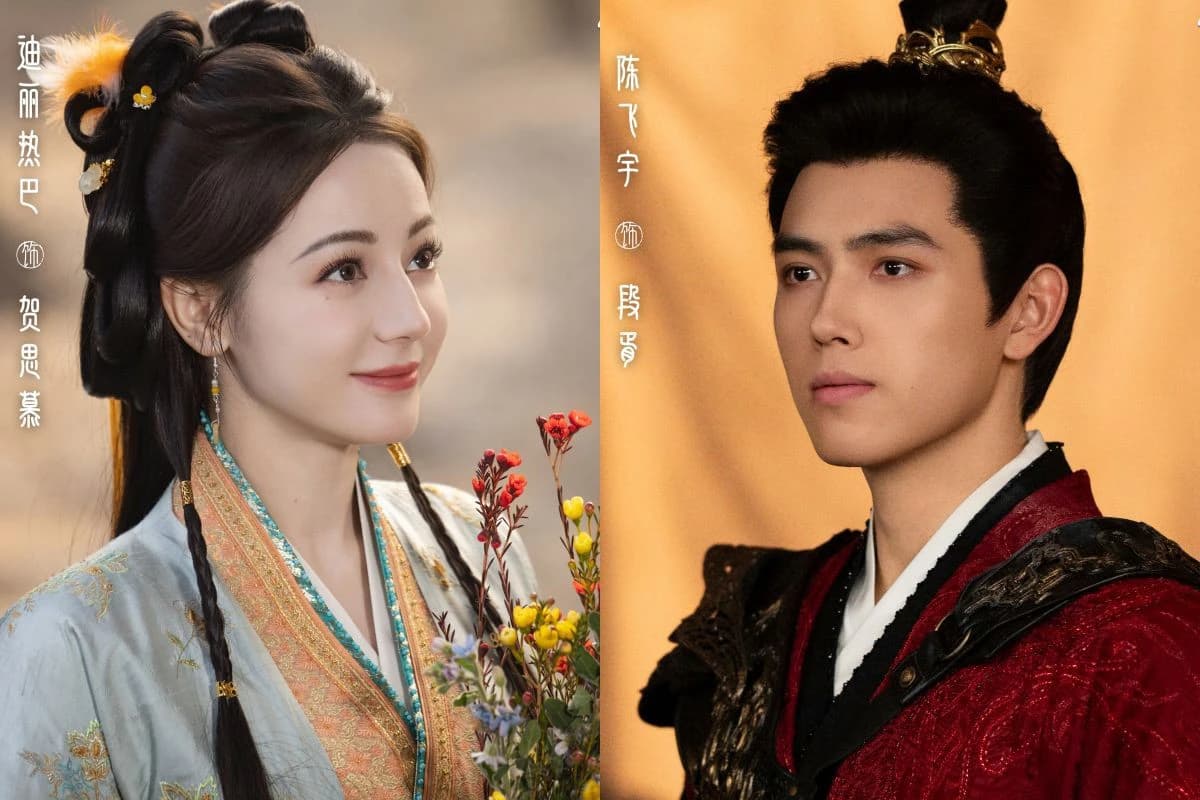

In the drama’s official ending, Duan Xu dies after his senses deteriorate due to the transfer with He Simu. He passes away in his wife’s arms on the night of their wedding.
The story does not end there. Duan Xu’s spirit remains by He Simu’s side in the form of a jellyfish-like existence, while He Simu gives up her throne as Ghost King and chooses to wander the mortal world. In the final scene, He Jia Feng Yi and Zi Ji briefly discuss He Simu’s fate, but the conversation remains vague and unresolved.
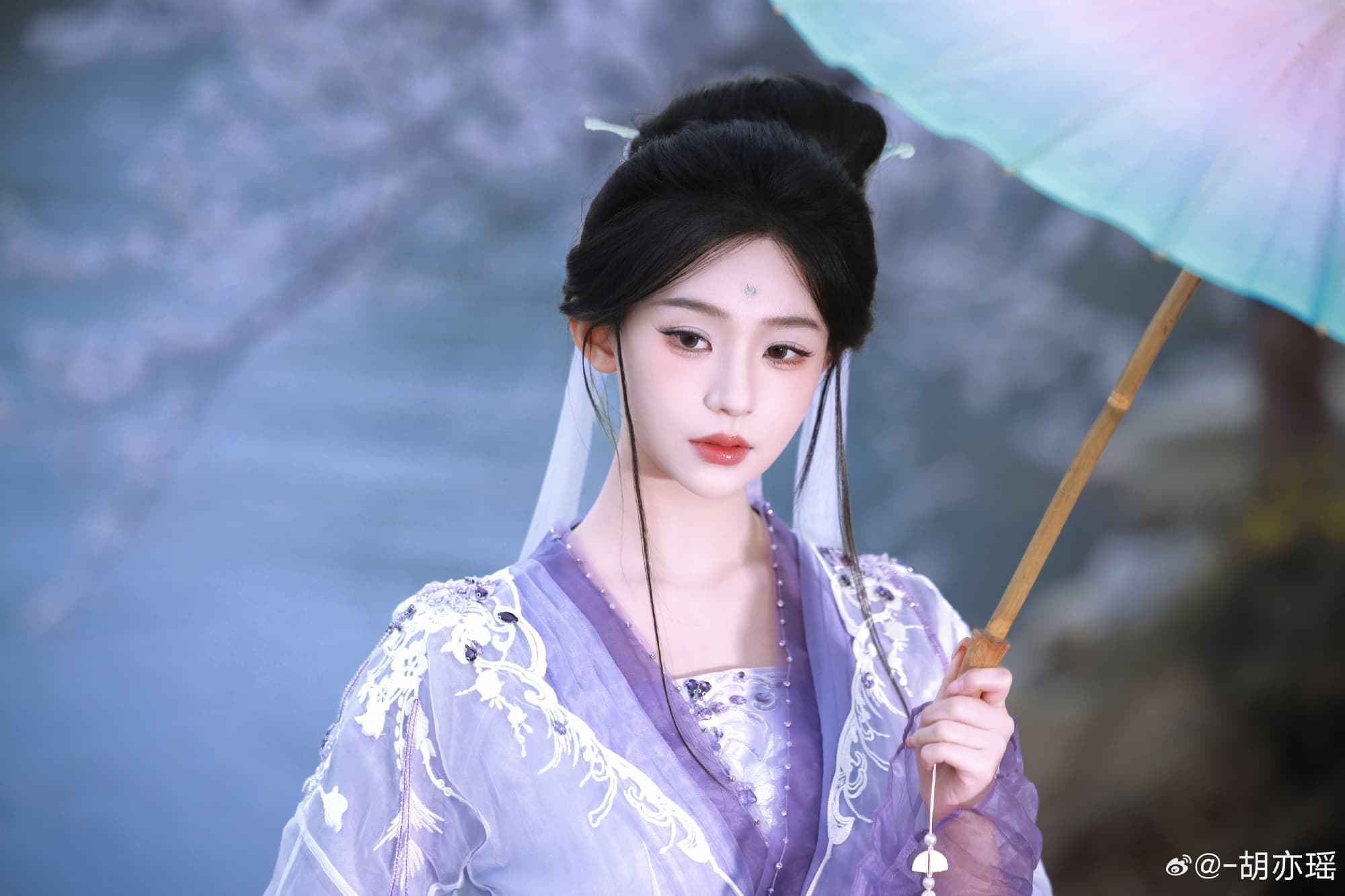
This ending feels open-ended, largely because Zi Ji’s role in the drama does not have any real impact on how the story concludes. From her introduction, she is mostly positioned beside He Jia Feng Yi as a quiet observer. Even during key moments involving discussions about fate and the order of the world, she never takes action or influences the outcome. As a result, her presence feels narratively underdeveloped in the drama.
The difference becomes clearer when compared to the novel. The novel presents a world governed by fixed laws: seasons, birth, aging, illness, and death all follow an established order without emotional interference from divine beings.
Within this system, He Simu is part of the balance of the spirit world from the beginning. She is born as a ghost with almost no personal desire, destined to become the Ghost King who maintains stability in the underworld. Meanwhile, He Jia Feng Yi is a descendant of the Mars lineage, gifted with intelligence, strength, and sincerity, but burdened with a weak body and a short lifespan, constantly struggling against his fate.
The conflict escalates when He Jia Feng Yi storms into the Heavenly Court and openly challenges the order of the world.
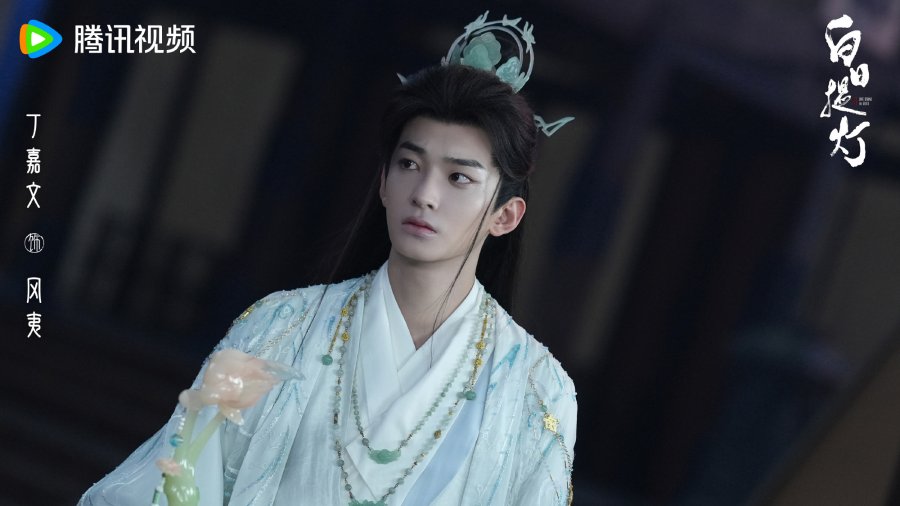
In the novel, Feng Yi later ascends to the heavens and directly confronts Zi Ji. Their conversation is not a battle, but a clash of beliefs. Feng Yi questions whether fate should remain bound to such a rigid system, while Zi Ji insists that even the smallest interference with destiny could destabilize the entire structure of the world.
He Simu also once confronted Zi Ji about her mysterious identity, sensing that she was far more than a simple observer, although she never receives a clear answer.
These encounters do not immediately change anything, but they highlight the tension between human defiance and divine order.
In the novel, Zi Ji only takes direct action near the very end of the story, after Duan Xu dies in He Simu’s arms. At that moment, she intervenes and alters their destinies, transferring part of He Simu’s lifespan to Duan Xu so he can continue living longer in the mortal world. He Simu is then released from her position as Ghost King and becomes human again.
Only in the extra chapters is Zi Ji’s identity finally revealed: she is Si Ming, the Divine Overseer who has maintained the world’s order for thousands of years.
This version of the ending also serves as the basis for an alternate version shown in the drama, which briefly depicts Zi Ji changing the fate of Duan Xu and He Simu after his death.
The key difference between the two versions lies in Zi Ji’s role. In the drama, she remains an observer who never meaningfully affects the outcome of events. In the novel, however, she becomes the decisive force who directly reshapes the fate of the main characters.
Ultimately, the difference between these two endings is not only about plot structure, but also about emotional impact. The drama’s official ending closes the story with an irreversible tragedy, making Duan Xu’s death a final endpoint with no further resolution. The novel, on the other hand, adds another layer of closure, where fate itself can still be rewritten through intervention. This makes the drama feel heavier and more emotionally unresolved, while the novel feels more complete in terms of narrative logic and consequence. In the end, viewers are left with two contrasting visions of fate: one that ends in tragedy, and another that still allows space for destiny to be changed.