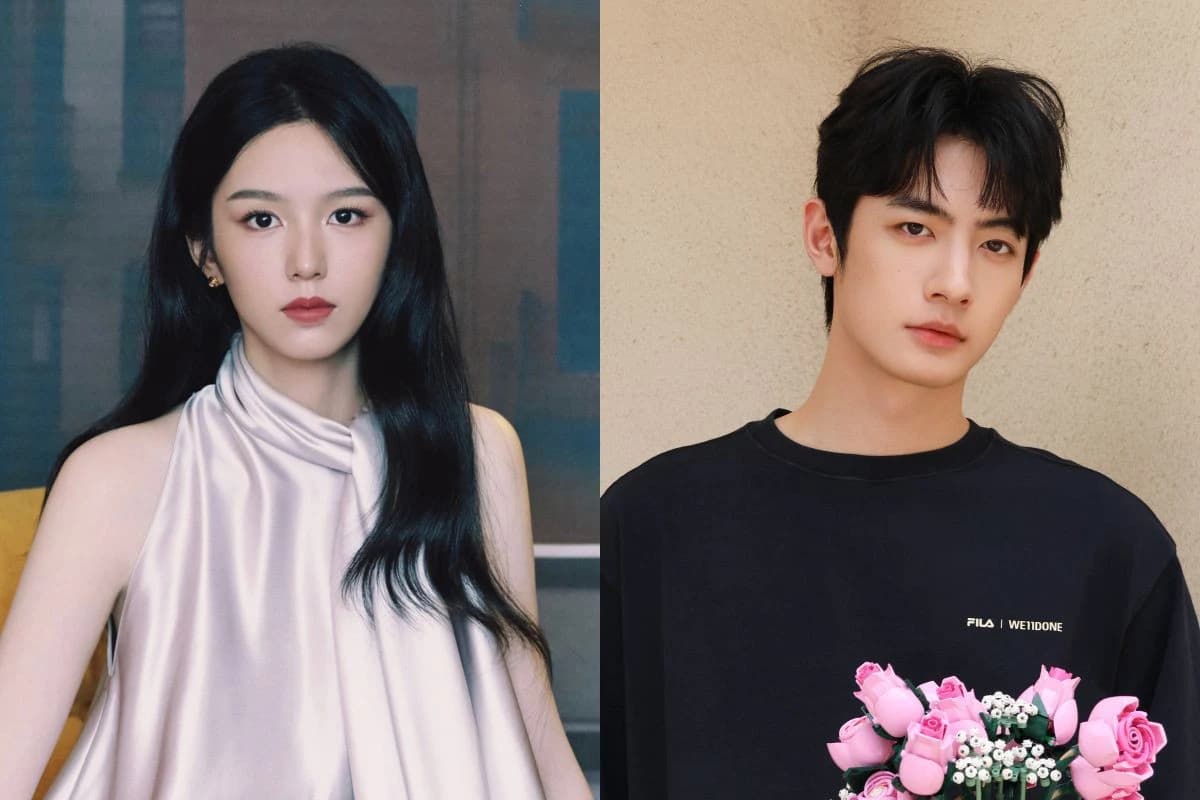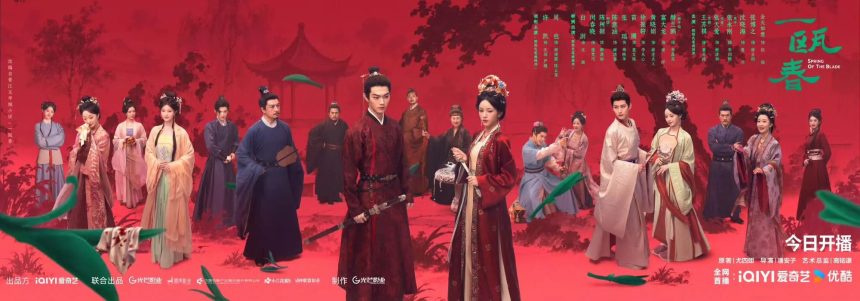
LayarHijau.com – Chinese historical drama Spring of the Blade (一瓯春), starring Xu Kai and Zhou Ye, has received mixed reactions following its premiere. The costume drama, promoted as a revenge story centered on two strong-willed characters, has posted several positive early figures while also drawing criticism from viewers in China over its storyline, dialogue, and the chemistry between its two leads.
One of the main points of discussion is the involvement of 14 writers in developing the script for Spring of the Blade. According to analysis cited by Chinese media, dividing the scriptwriting work among so many writers may have resulted in parts of the story feeling disconnected, with some viewers pointing to breaks in the narrative logic.
Next articles


Several scenes have also been criticized for feeling overly contrived. These include a man disguising himself as a Taoist priest to perform supernatural tricks, the use of a white veil hat at night, deliberately arranged encounters, and a kissing scene that some viewers felt did not develop naturally from the story.
The criticism of the script has come alongside divided reactions to the performances of Xu Kai and Zhou Ye. Zhou Ye plays a calculating and highly perceptive young woman, but some viewers have described her emotional transitions as stiff. Her character’s dialogue has also been criticized for sounding too modern for the historical setting, while some viewers felt her expressions lacked intensity.
Xu Kai, who plays a powerful court official known for being decisive and willing to act, has also faced criticism over his dialogue delivery. Some viewers said his pronunciation was difficult to make out and that his delivery lacked energy. By comparison, supporting actors Fu Dalong and Miao Pu have drawn attention for bringing a more seasoned and composed presence to their roles.
In terms of viewing performance, Spring of the Blade has also posted several positive figures. On its first day, the drama reached a 9.6 percent share of effective episode viewing on Yunhe Data, ranking first among costume dramas in the same period. Its combined reservations across the two platforms also surpassed 4 million.
The drama also became Xu Kai’s fifth production in nearly three years to record more than 10 million first-day views according to Yunhe Data. However, those figures have not been fully reflected in the platforms’ internal popularity indexes.
On iQIYI, Spring of the Blade recorded an in-platform popularity score of 4,170, while its score on Youku came close to 5,000. Neither figure reached the level commonly used as a benchmark for a major breakout hit. The drama also recorded 16 ad placements across its first six episodes, a relatively ordinary performance compared with several other dramas airing during the same period.
Despite the criticism of its story and lead performances, Spring of the Blade has received considerable praise for its visual presentation. The drama has been noted for its Song-dynasty aesthetic and was filmed at real historical architectural sites, including the Puyuan area.
The production also reportedly avoided cheap-looking green-screen backgrounds and excessive visual filters. Its costumes, makeup, set design, lighting, and locations were all designed to preserve the classical atmosphere of the Song era.
As a result, Spring of the Blade has so far generated sharply contrasting reactions. Its visual style and production design have earned considerable praise, while the involvement of 14 writers in the script has become one of the main points raised in discussions about the story’s consistency and the development of several scenes.