
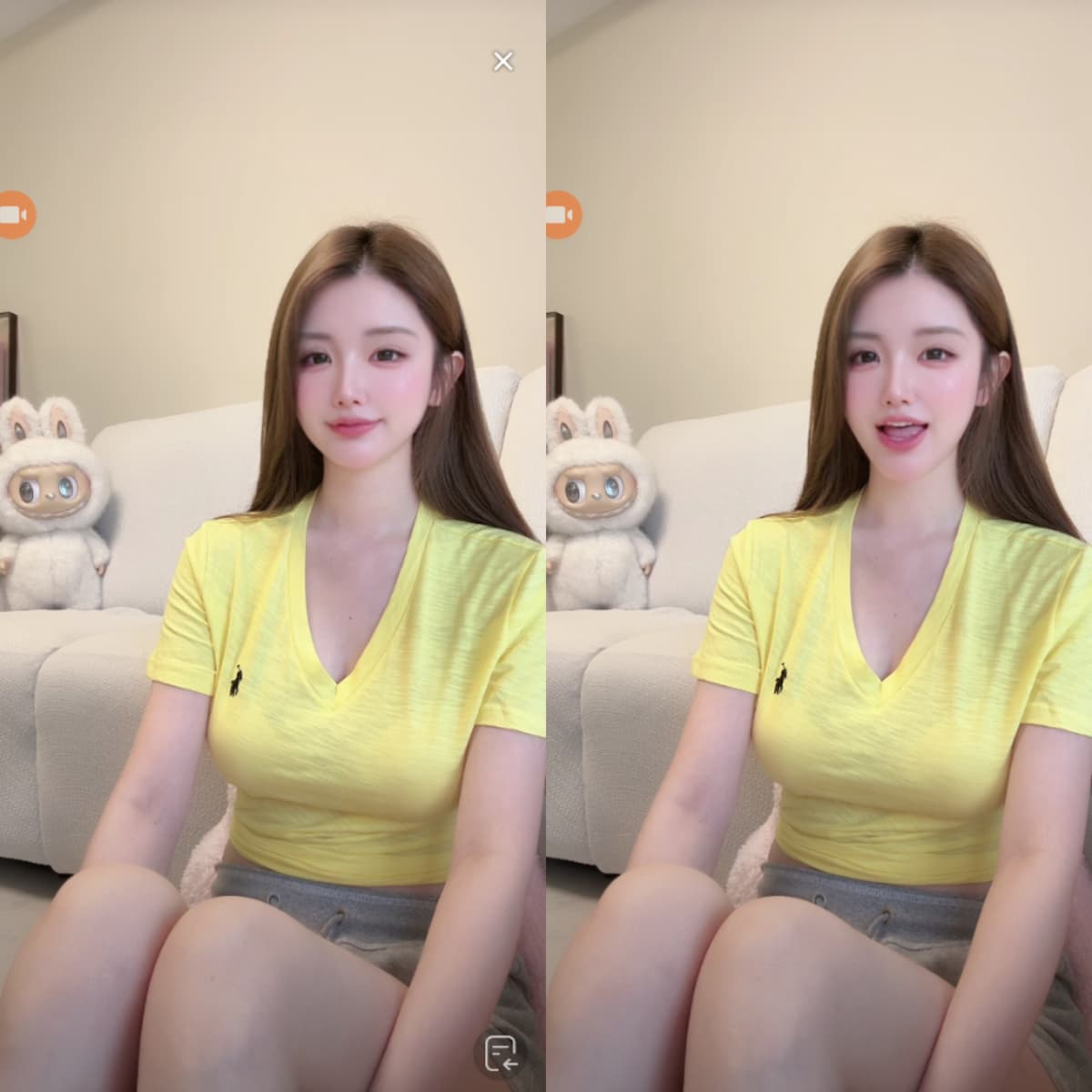
LayarHijau— Viewers of Douyin livestreams may have noticed an intriguing detail: some female hosts with an attractive appearance place a Labubu doll behind them while streaming. This small visual element has sparked curiosity. Is it just decoration, or is there a deeper reason behind it?
Before diving into possible explanations, it helps to understand what Labubu actually is. Labubu is a character from a collectible toy line known for its distinctive “ugly-cute” aesthetic, featuring sharp teeth and a mischievous expression. In recent years, Labubu has grown from a niche collectible into a broader phenomenon. Globally, certain rare editions have been resold for thousands of dollars, while in China, the official retail price is relatively affordable—around 59–79 yuan (approximately $8–$11). However, limited or rare versions can surge to over 1,500 yuan, reaching the equivalent of hundreds of dollars on the secondary market.
Support Layar Hijau
Layar Hijau is an independent media outlet dedicated to sharing news and stories about the Asian dramas you love. If you enjoy our content, your support helps us keep going and bring more stories to fellow drama fans.
Every bit of support means a lot to us. Thank you for reading, following, and being part of Layar Hijau's journey.
For supporters in Indonesia

For international supporters

For more information, click here.
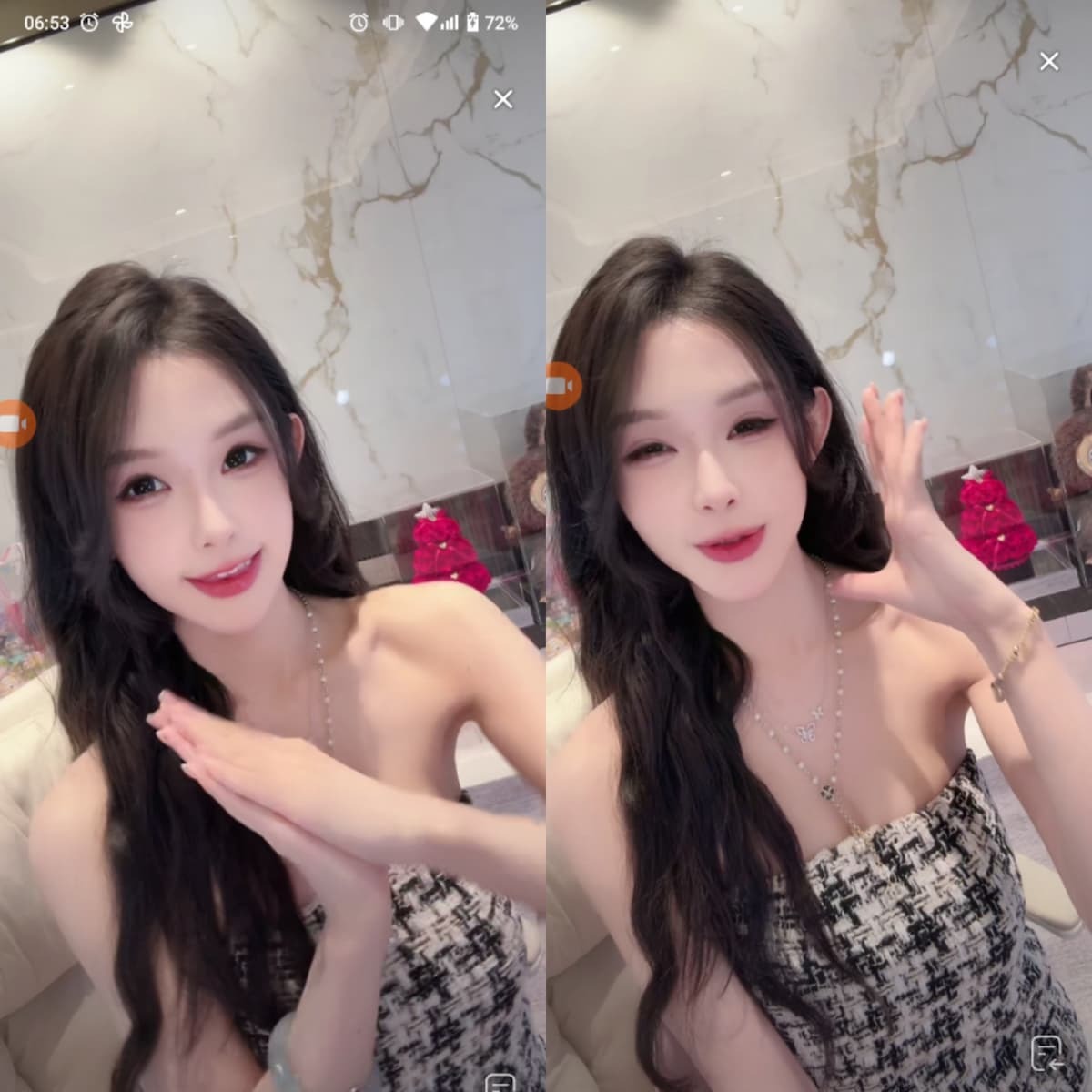
This popularity has turned Labubu into more than just a toy. It has become a recognizable visual element across digital platforms, frequently appearing in short videos, unboxing content, and livestreams. Its familiarity makes it instantly noticeable to viewers.
That said, there is no single confirmed answer as to why some hosts choose to place Labubu in their livestream backgrounds. There are no official statements from the platform or a unified explanation from the hosts themselves. Instead, what exists are a series of observations and theories based on how livestreaming works within Douyin’s ecosystem.
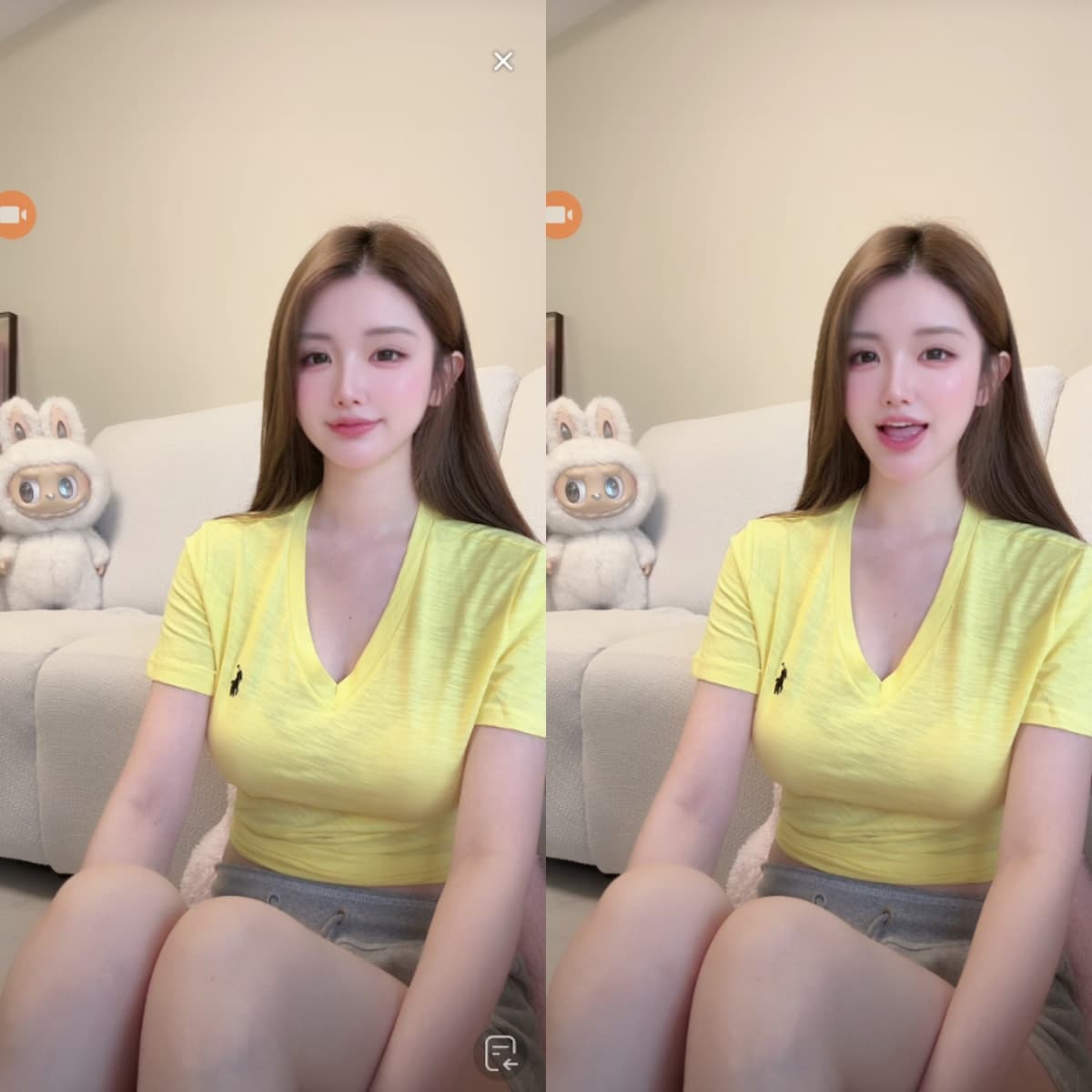
One of the most practical explanations relates to visual strategy. On a fast-paced platform like Douyin, livestreams need to capture attention within seconds. A completely empty background can feel dull, while an overly busy one can be distracting. A Labubu doll, with its distinctive design, serves as a subtle focal point—visually engaging without pulling attention away from the host.
It can also help drive interaction. Viewers are often drawn to unique objects on screen, prompting questions or comments such as which version it is or where it was purchased. These small interactions play a significant role in keeping audiences engaged, which in turn can positively affect a stream’s performance within the platform’s algorithm.
Trend alignment is another factor. As Labubu has become widely recognized in collectible and social media culture, featuring it in the background can signal that a host is in tune with current trends. It’s a form of passive participation—acknowledging what’s popular without explicitly talking about it.
On a more interpretative level, some analyses suggest that Labubu contributes to the overall “visual mood” or persona of a livestream. In this sense, it’s not just a prop but part of the atmosphere. Compared to a plain or neutral background, Labubu can create a vibe that feels more relaxed, playful, slightly quirky, and less formal. For some hosts—especially those aiming to appear approachable and relatable—this kind of visual tone can subtly shape how they are perceived by viewers.
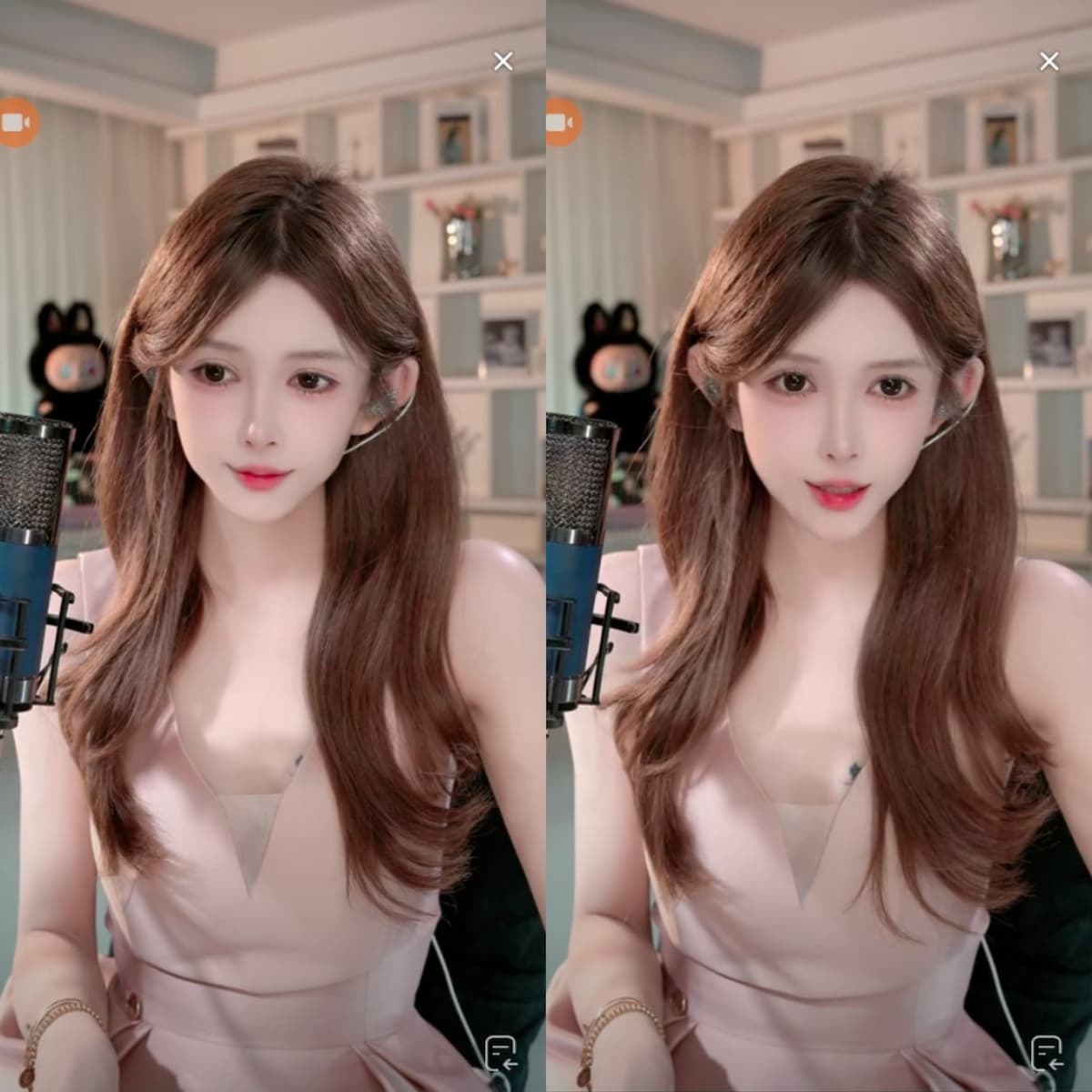
Meanwhile, Chinese-language discussions offer additional theories, though not all of them can be verified. One idea frames Labubu as an “emotional carrier,” suggesting that its “ugly-cute” design resonates with the complex feelings of younger audiences. While this interpretation aligns with broader aesthetic trends, it’s difficult to confirm whether hosts consciously think in these terms when setting up their backgrounds.
Another theory describes Labubu as a kind of “silent signal” among trend-aware viewers or collectors. Seeing it might create an instant sense of shared interest. However, this idea is likely overstated. In the fast-moving environment of livestreams, most viewers probably perceive it simply as an eye-catching object rather than a deliberate identity marker.
A more grounded explanation is soft selling. Without directly promoting anything, placing Labubu in the background can spark curiosity and interest. In Douyin’s ecosystem, where livestreaming is closely tied to e-commerce, this kind of subtle product exposure is a common and effective strategy.
Taken together, these explanations suggest that there is no single reason behind the phenomenon. Instead, it emerges from a combination of practical livestreaming strategies, trend influence, platform dynamics, and audience interpretation.
In the end, placing a Labubu doll in the background may seem like a simple choice. But behind that simplicity lies a layered mix of visual strategy, digital culture, and viewer perception that makes the practice both effective and intriguing.
Chinese dramas products
Rosy Zhao Rosydoedian Authentic Dachshund Plush Doll Squeaky Soft Stuffed Decorative Throw Pillow Collectible Gift

Authenthic Dachshund plush doll from Zhao Lusi's Rosydoedian.
It's only available for shipping to certain countries.
Official Genuine Pursuit of Jade Drama Collectible Photocards Zhang Linghe Tian Xiwei Photo Trading Cards Holiday Gift

Official genuine collectible photocards These Pursuit of Jade Drama collectible photocards are officially licensed and authentic, featuring beloved characters Zhang Linghe and Tian Xiwei. Perfect for fans seeking genuine memorabilia from the popular drama.
High-quality packaging and design Each card comes in a premium original box with clear, vibrant printing. The 100000015 measurement unit ensures precise packaging for collectors who value neat organization and presentation.
New Drama Fangs Of Fortune Official Merch Collectible Cards Zhao Yuanzhou, Wen Xiao Characters HD Photocard Cosplay Gift

Official Merchandise from Fangs of Fortune This collectible card set is officially licensed Fangs of Fortune merchandise, featuring beloved characters Zhao Yuanzhou and Wen Xiao in high-definition detail for true fans.
High-Quality HD Photocard Design Crafted with sharp, vibrant visuals, each card delivers HD photocard quality, capturing character expressions and costumes with stunning clarity and color accuracy.
