LayarHijau – Chinese drama Pursuit of Jade (逐玉) has once again come under the spotlight as controversy surrounding the series resurfaces online. The discussion reignited after the drama ranked No. 2 on Netflix’s popular series chart in South Korea, a milestone that instead sparked suspicion among some local netizens, who questioned whether the achievement was the result of manipulated viewing data.

Next articles


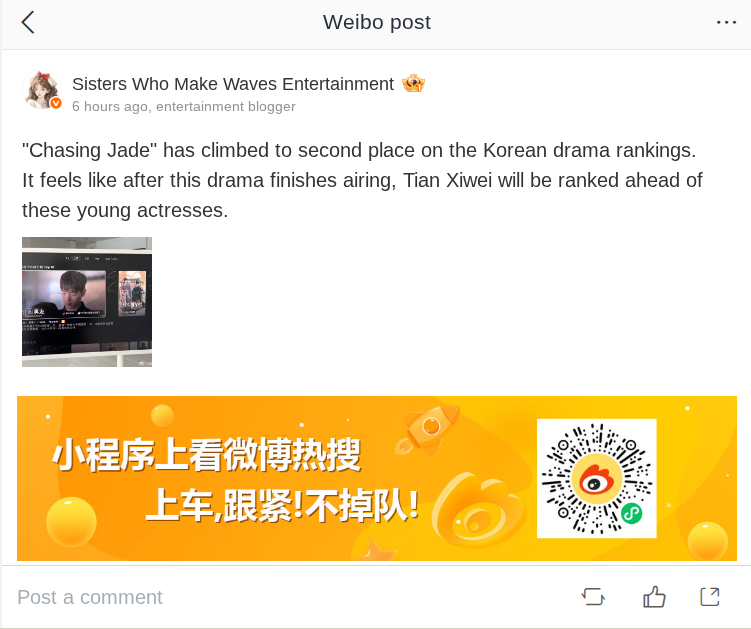
The topic trended on Weibo on March 17, where two major issues emerged simultaneously: allegations of inflated streaming numbers and accusations of cultural copying in the drama’s costume design. These issues quickly intertwined, fueling broader discussions across multiple platforms.
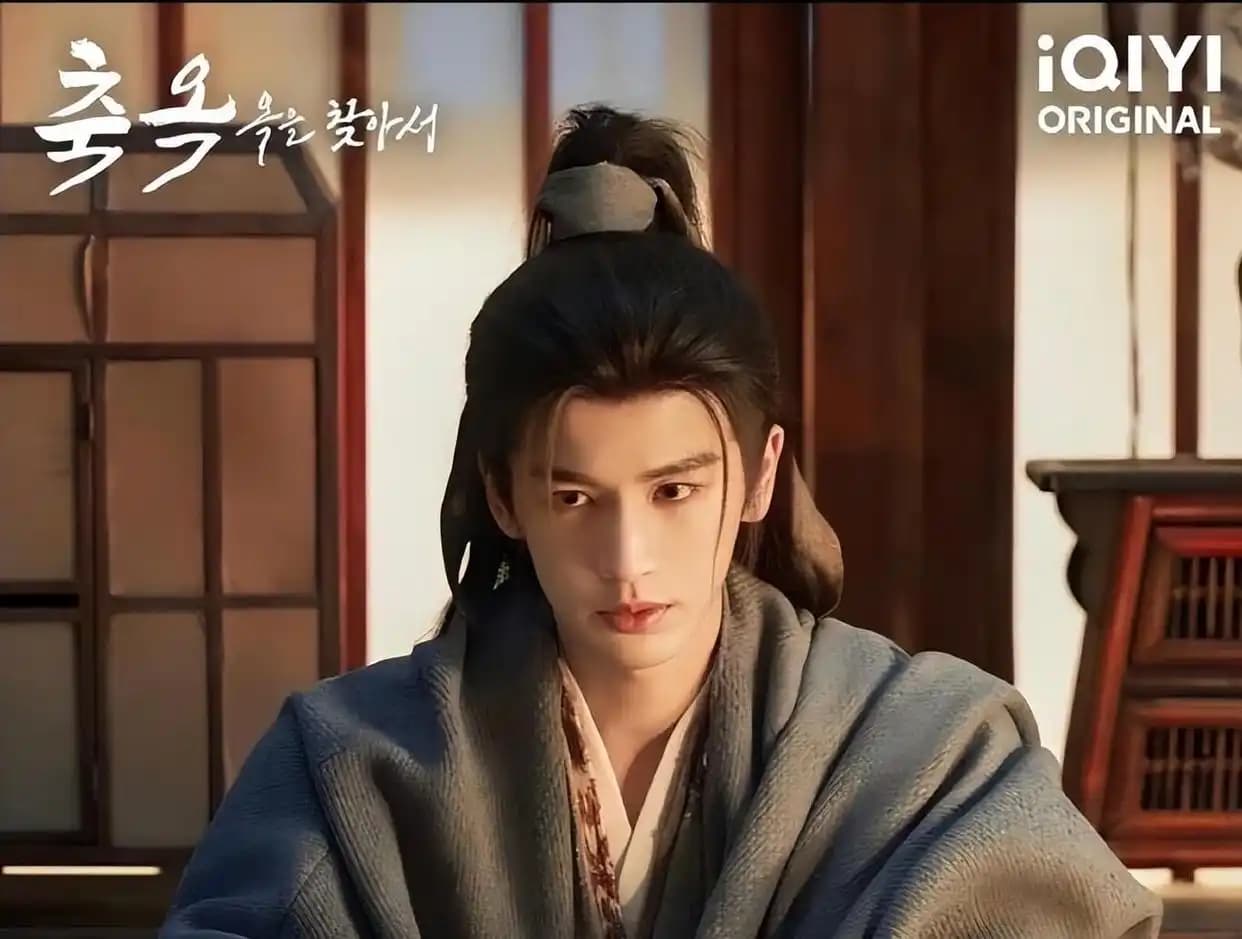
The controversy began with claims that the white collar detail—or protective neck lining—seen in the characters’ costumes is a distinctive feature of traditional Korean clothing. Some Korean social media users argued that this design is unique to hanbok and accused the production team of imitation.
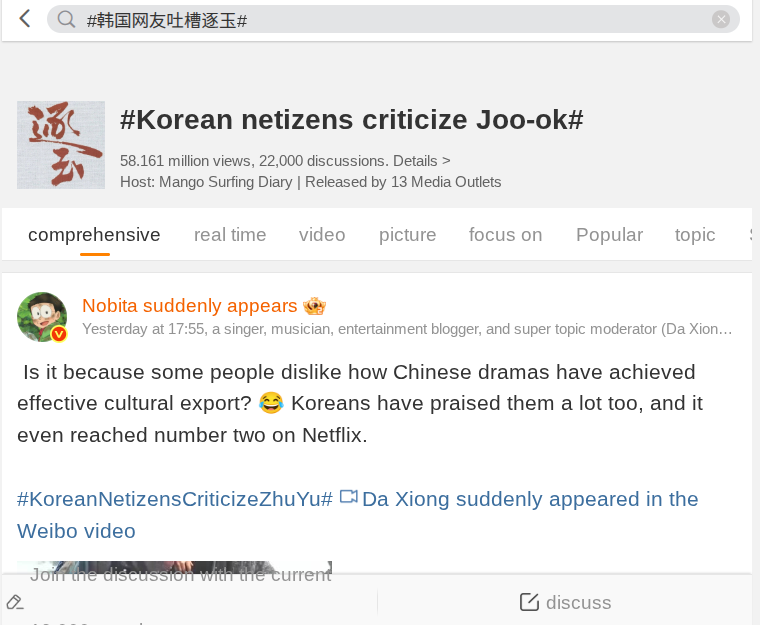
However, the debate quickly spread beyond Korea to international platforms such as X (formerly Twitter) and Instagram. Instead of remaining a bilateral dispute, the discussion drew responses from users across different regions, many of whom challenged the initial claims.
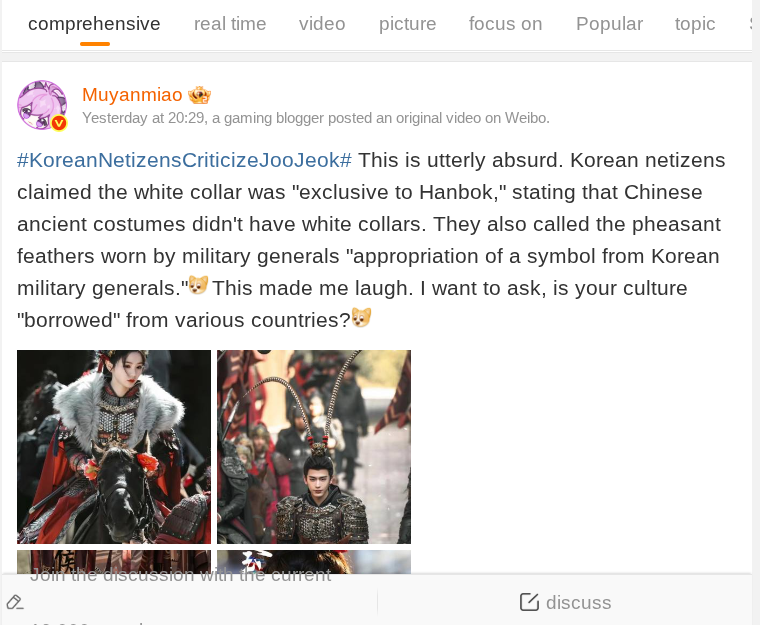
Netizens from Southeast Asia to South America began sharing historical references and visual comparisons, explaining that similar white collar elements have long existed in hanfu, particularly during China’s Ming Dynasty. Historically, this feature served not only a practical purpose—keeping the collar clean—but also functioned as a common aesthetic detail.
These explanations broadened public understanding, highlighting that similarities in traditional clothing designs do not necessarily indicate copying. In fact, historical interactions between China and the Korean Peninsula have spanned centuries, including cultural exchanges that influenced clothing systems.
During the Ming Dynasty and Korea’s Joseon era, diplomatic relations contributed to cultural development, including attire. Historical records indicate that official garments were at times bestowed by the Chinese imperial court upon the Korean kingdom.
The discussion also revisited key differences between hanfu and hanbok. Hanfu typically features a crossed collar forming a Y-shaped silhouette with garments extending to the waist, while hanbok—particularly the jeogori top—has a shorter cut with a V-shaped neckline and ribbons tied at the chest.
As the debate evolved, it became clear that the issue extended beyond costume design into broader conversations about history, cultural identity, and claims over traditional heritage.
Interestingly, the involvement of international audiences has had an unintended effect on the drama’s popularity. Increased search interest, social media engagement, and streaming activity suggest that the controversy has helped expand the show’s global reach.
In multiple regions, Pursuit of Jade has seen a noticeable rise in attention during the controversy. Related topics have trended across platforms, illustrating how cultural debates can significantly amplify a production’s visibility.
At the same time, the situation highlights ongoing challenges in global cultural distribution. Accusations of cultural appropriation often emerge in fast-moving information environments, especially when historical interpretations differ across countries.
Observers note that addressing such controversies requires a balance between cultural confidence and openness to dialogue. Grounding responses in historical research, while clearly communicating context to global audiences, is seen as key to avoiding similar misunderstandings in the future.
Ultimately, the controversy reflects a broader reality in today’s global entertainment landscape: even small design details can trigger large-scale cross-cultural debates. In an increasingly interconnected world, the ability to define, explain, and communicate cultural narratives has become more important than ever.