LayarHijau – The Chinese drama Shine on Me (驕陽似我), starring Song Weilong and Zhao Jinmai, has become a hot topic not only for its sweet on-screen chemistry, but also for its unexpected influence on Jiangsu’s tourism appeal. As the series continues to air, viewers are finding themselves drawn not just to the romance, but also to the distinctly local humor and real-life locations woven into the story.
Much of this regional charm comes from the drama’s screenwriter, Gu Man, a native of Yixing, Jiangsu. Rather than using Jiangsu merely as a backdrop, she infuses the script with everyday details from local life, turning familiar habits and stereotypes into lighthearted, self-mocking jokes. Filming locations in Wuxi and surrounding areas are not hidden in the background, but actively integrated into the narrative.
Next articles


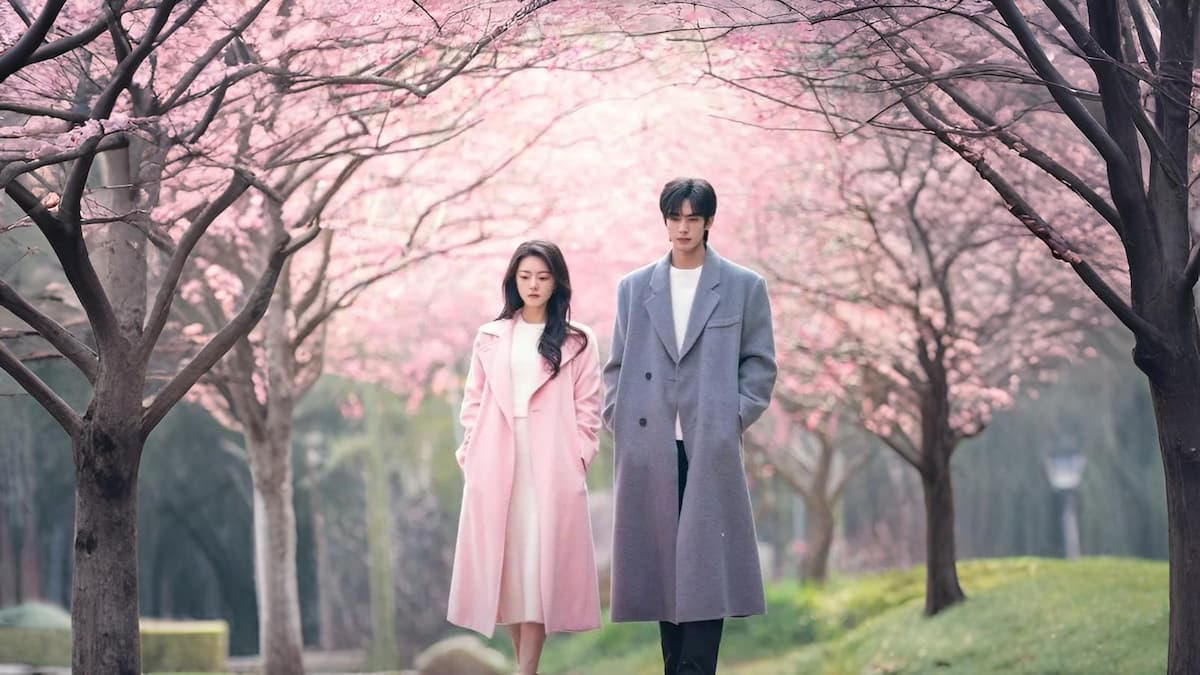
One of the most talked-about scenes takes place at Rongshi Meiyuan in Wuxi. In this pivotal moment, Lin Yusen, played by Song Weilong, and Nie Xiguang, portrayed by Zhao Jinmai, finally confess their feelings to each other amid blooming plum blossoms. The scene resolves a misunderstanding that has lingered for two years, originating from a plum-viewing invitation that was mistakenly used by someone else. With its mix of romance and emotional release, fans have hailed it as “the greatest historic moment” for the Sen-Guang couple.
The impact of this scene quickly spilled over into real life. Rongshi Meiyuan drew heightened attention online, and its official account even joined the conversation, responding humorously with a comment that read, “From watching Shine on Me to actually visiting Meiyuan in Wuxi.” The interaction highlighted how a fictional love story can directly spark interest in real-world destinations.
Another widely discussed moment came from a seemingly casual line about Suzhou Library. In the drama, the male lead mentions that readers can only borrow five books at a time, prompting viewers to debate the accuracy of the statement. The library’s official account soon responded, clarifying that adult reader cards currently allow borrowing up to 20 books. The swift clarification went viral, with netizens jokingly dubbing it “the fastest PR response of 2026.”
Rather than turning into a controversy, the exchange became an entertaining and informative moment. The drama’s popularity provided an opportunity for official accounts to engage with audiences while sharing practical information, turning online buzz into a form of public education.
Humor rooted in regional stereotypes appears again when the two leads travel to Guangzhou for work. At 10 p.m., Zhao Jinmai’s character reacts with disbelief when told it is still early to go out for roast goose, only for Song Weilong’s character to reply, “This is Guangzhou, not Jiangsu.” The line immediately struck a chord with viewers familiar with Jiangsu’s reputation for early nights.
Online, netizens joked that Suzhou’s night market “doesn’t start at 8:30 p.m.—that’s when it ends.” Others referenced comments by public figures who have noted how quiet Jiangsu streets become late at night. Some even quipped that Jiangsu people’s real nightlife consists of going home early to help their children with homework.
These self-mocking jokes have become a defining feature of Shine on Me. As with Gu Man’s previous works, the sense of place is subtle yet persistent. This time, however, the drama openly showcases real locations such as Wuxi Taihu New City, Jinji Lake, and Nianhua Bay, allowing viewers to associate key emotional moments with tangible settings.
Without grand promotional campaigns, Shine on Me has effectively turned romance, humor, and regional identity into a boost for Jiangsu tourism. The drama’s success shows how a well-loved story can transform everyday local traits into a compelling reason for audiences to look beyond the screen and toward the places where the story unfolds.