LayarHijau – The latest drama starring Mao Xiaotong and Zhang Binbin, Light Beyond the Reed (余生有涯), has climbed to fourth place among the most-watched Chinese dramas on streaming platforms. Initially receiving modest expectations before its premiere, the series quickly gained traction after its debut episodes, surpassing Li Yunrui and Wang Yinglu’s Yummy Yummy Yummy (宴遇永安) in both buzz and viewership. Viewers have praised the leads for their nuanced performances and the show’s powerful social message.
The explanation below contains spoiler.


In Light Beyond the Reed, Mao Xiaotong portrays Ye Sibei, a gentle and soft-spoken woman who constantly faces pressure at home and in her workplace. Her husband, Qin Nan (played by Zhang Binbin), initially files for divorce after becoming disheartened by her continuous self-sacrifice. However, their separation takes a turn when Ye Sibei becomes a victim of workplace abuse. Upon learning of the incident, Qin Nan steps in to support and protect her, encouraging her to report the crime while shielding her from social and corporate retaliation.
Now airing its 13th episode, the series depicts Ye Sibei’s emotional and legal struggle against a powerful perpetrator who uses influence to suppress the case. Qin Nan remains steadfastly by her side, urging her not to give up and helping her family understand that silence is not protection. Audiences have noted that the bond between Ye Sibei and Qin Nan — built on empathy and quiet resilience — feels even more moving than a conventional romance.
Beyond its main storyline, Light Beyond the Reed also addresses broader social themes such as patriarchal expectations, the stigma faced by victims, and the destructive impact of gossip. One of the most-discussed moments shows Ye Sibei’s family initially stopping her from filing a report, fearing public judgment and social fallout. This scene sparked conversations online about how misplaced “concern” often silences victims, reflecting deep-seated societal pressures.
Visually, the drama has been widely praised for its film-like cinematography and elegant composition. Each scene is beautifully shot yet tinged with emotional gravity, contrasting aesthetic refinement with the painful realities it portrays. The show’s careful tone and mature storytelling make it accessible to a wide audience while maintaining sensitivity toward difficult topics.
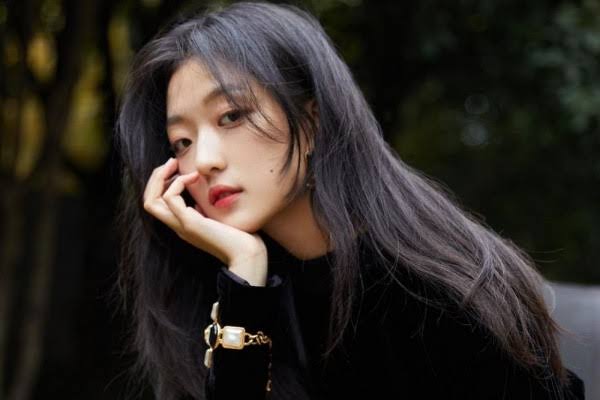
Mao Xiaotong’s performance has been especially lauded. Following her roles in Joy of Life 2, The Heart (问心), and The Ingenious One (云襄传), she takes on a more subdued and emotionally layered character this time. Her crying scenes, delivered with subtle variations, are being hailed as some of her finest work.
Zhang Binbin also delivers a compelling performance as Qin Nan — a husband who transforms from resigned detachment to deep, empathetic protection. His emotional transition feels natural and heartfelt, while his chemistry with Mao Xiaotong adds genuine warmth to the story.
With its compelling mix of emotional depth, social awareness, and visual beauty, Light Beyond the Reed has exceeded expectations and solidified its place as one of the most talked-about Chinese dramas of the season.