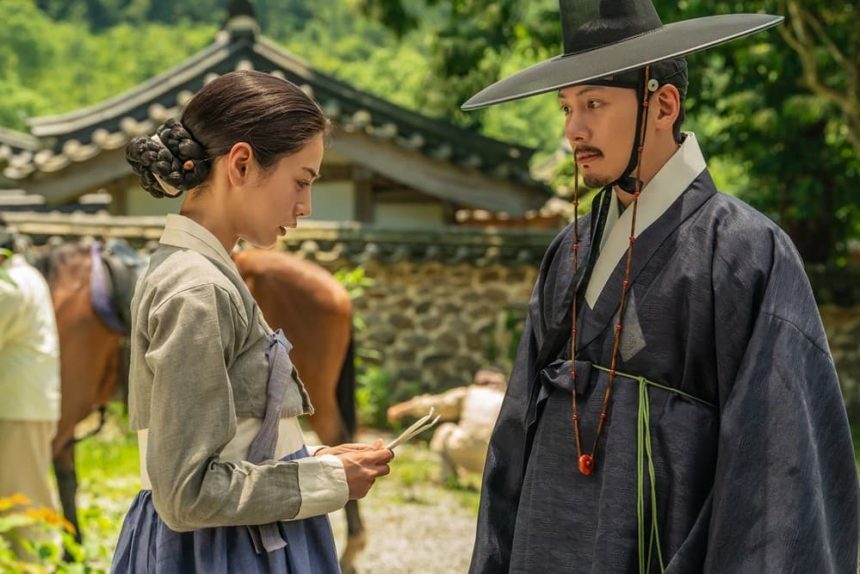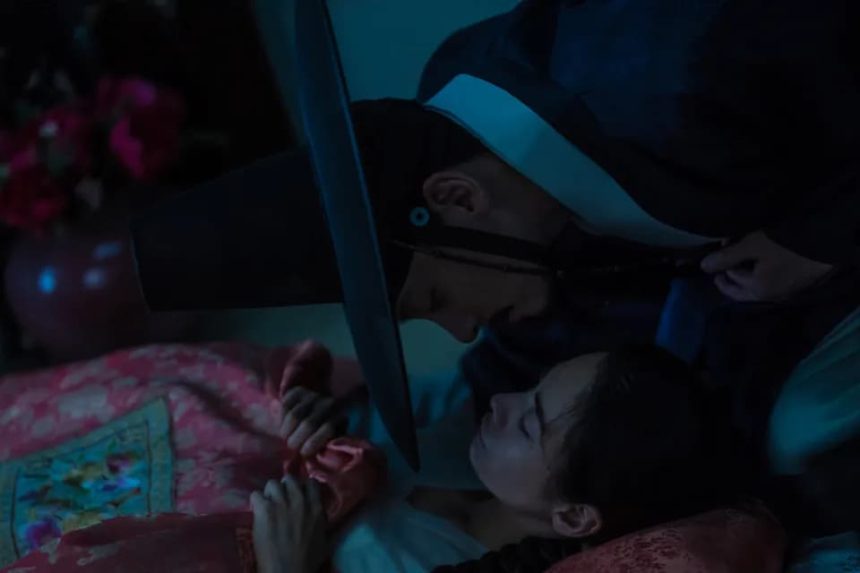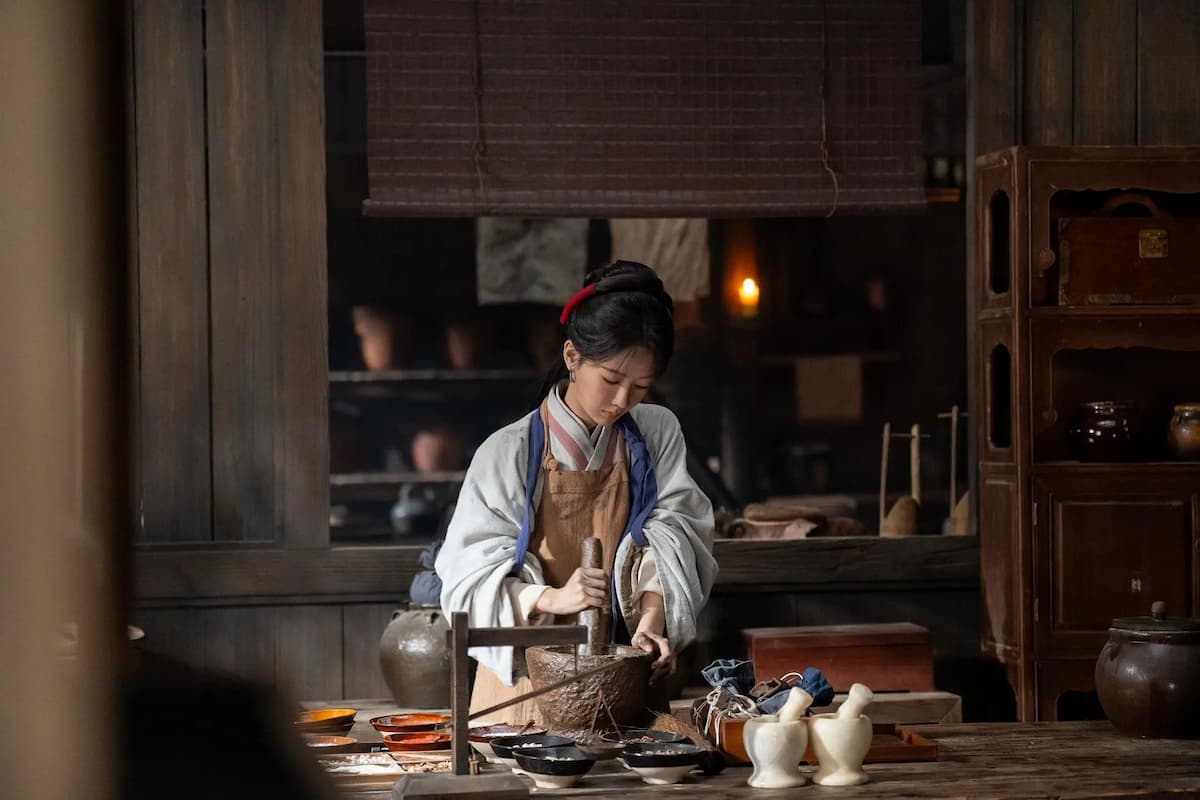
LayarHijau– Discussions about Chinese dramas that have yet to air have once again taken over social media. The public has been surprised by the sheer number of productions that completed filming years ago but still have no confirmed release schedule.
The debate was initially sparked by a circulating list of dramas said to have wrapped production more than a year ago without securing broadcast slots. Several high-profile titles were mentioned, including The Love of Hypnosis, Immortality, and Hero Legends. Most of these projects were once positioned as major bets, featuring popular IPs and top-tier casts, which quickly drew widespread attention.
Next articles
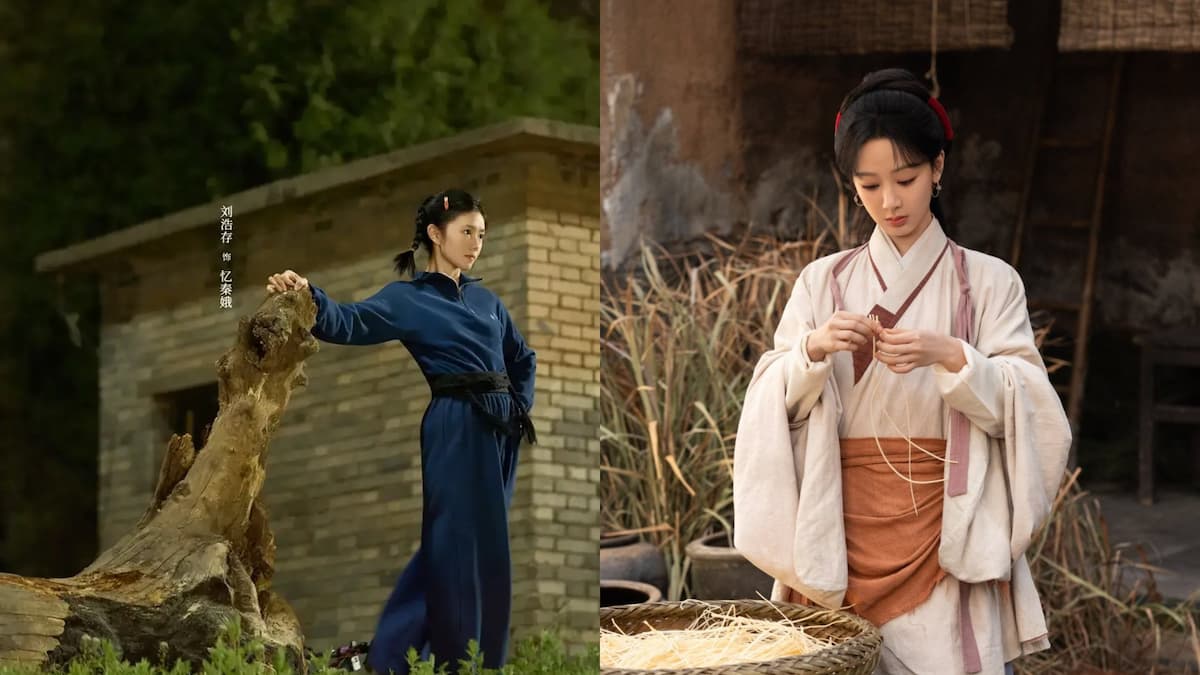

Within the industry, however, the definition of an “unreleased” or “backlogged” drama is more specific. nosisGenerally, a drama is only considered truly backlogged if it has remained unaired for more than two years after completing production. By that standard, some titles that finished filming in 2024 are still technically within the normal scheduling cycle.
A clearer picture emerges from data released by entertainment analytics firm Detawen. According to its report, as of the end of 2025, 452 dramas had completed production more than two years earlier but had yet to air. Of those, 407 dramas have been shelved for over three years, accounting for roughly 51 percent of all currently unreleased dramas.
These figures highlight the mounting pressure on the industry. For platforms and production companies, every shelved drama represents a significant amount of frozen capital. In extreme cases in recent years, prolonged delays have even contributed to financial crises for production companies.
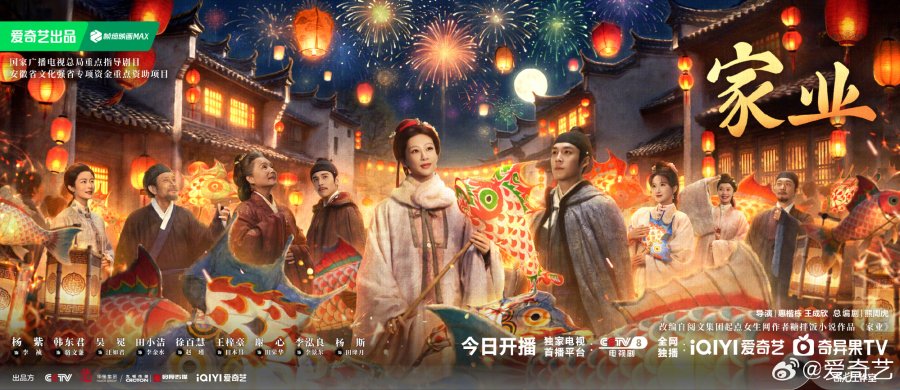
The situation becomes even more striking when contrasted with new projects. In the same report, Detawen pointed to the dominance of Yang Zi on the list of most-anticipated upcoming dramas. Her two latest projects, Born to Be Alive and The Heir, simultaneously claimed the top two spots in pre-release popularity rankings.
This contrast reflects a broader shift in audience behavior. Viewers have become increasingly responsive to fresh content that aligns with current trends, while older projects that have been stuck in limbo for years struggle to regain momentum—even when they feature well-known stars.
It is precisely this tension that fuels public discussion. On one hand, there is curiosity, as many of these backlogged dramas were produced with high budgets and once touted as flagship projects. On the other hand, there is growing frustration over prolonged uncertainty. With fewer new dramas entering production, some viewers are even hoping that these shelved titles might eventually deliver unexpected surprises.
So why are so many dramas stuck?
In the case of Immortality, the main obstacle lies in regulatory changes affecting certain genres, forcing similar productions to undergo major revisions before approval becomes possible. The Love of Hypnosis, starring Liu Yifei and Jing Boran, has been affected by controversy involving one of its cast members, making reshooting or restructuring a possible solution. Meanwhile, Hero Legends has reportedly stalled due to contractual disputes involving the production company.
Large-scale historical dramas face their own challenges. Content risk, sensitivity around historical interpretation, and periodic restrictions on costume and historical genres have made such projects particularly vulnerable to long delays. In other cases, the reasons are more straightforward: some dramas are deemed no longer competitive in terms of story quality or market appeal, leading platforms to postpone or quietly abandon them.
Once a drama enters the backlog, the problem often worsens over time. Storylines begin to feel dated, audience preferences shift, and platforms naturally prioritize newer projects that appear safer from a commercial standpoint.
Still, the outlook is not entirely bleak. In 2025, new policies aimed at optimizing television and digital content supply helped open the door for some long-shelved dramas to finally air. A handful of these releases managed to generate renewed public interest, suggesting that backlogged dramas are not necessarily devoid of value.
Some platforms have also begun experimenting with joint broadcasts across multiple platforms to reduce risk, giving long-delayed projects a second chance at reaching audiences.
Ultimately, the fact that more than 452 Chinese dramas remain unreleased reflects a period of transition within the industry. The market is becoming more selective, leaving less room for mass production driven by speculation alone. Strong storytelling, resilience to regulatory and market risks, and well-planned distribution strategies are now the decisive factors determining whether a drama can truly make its way to viewers.