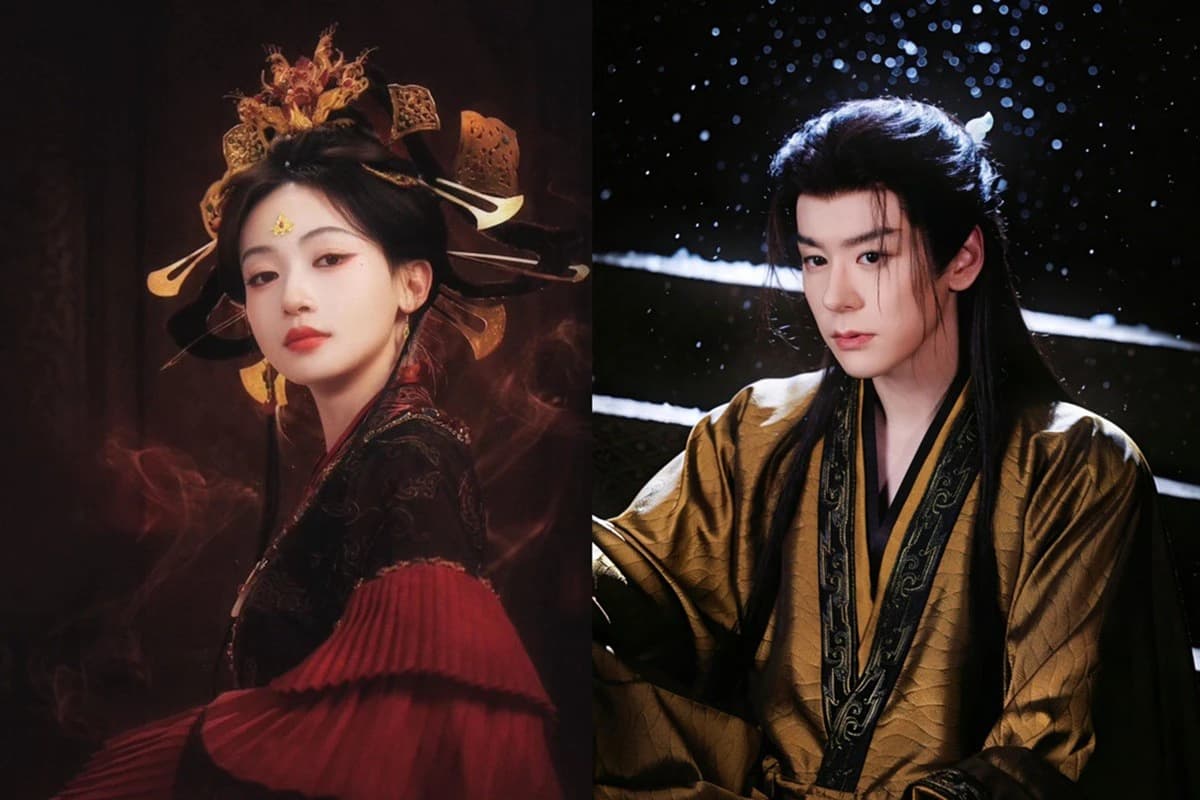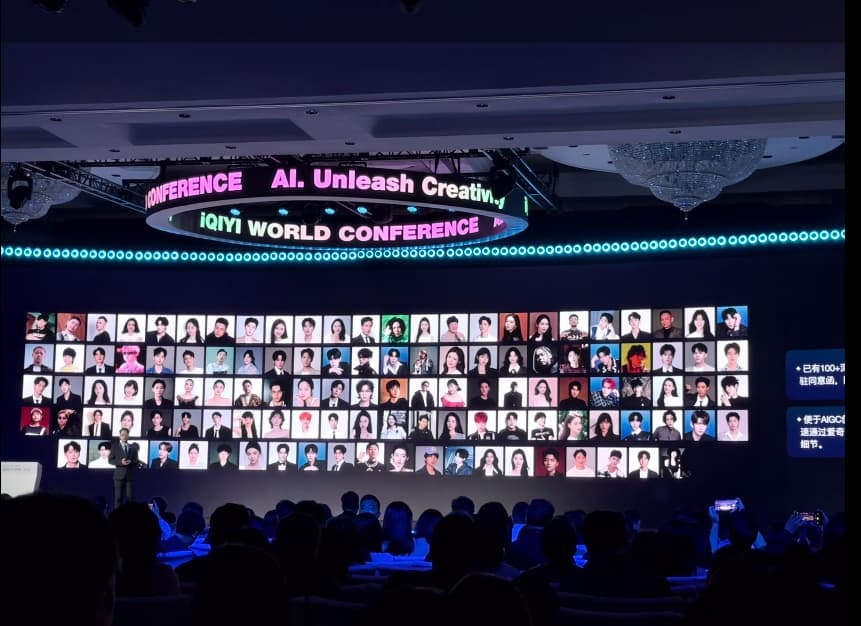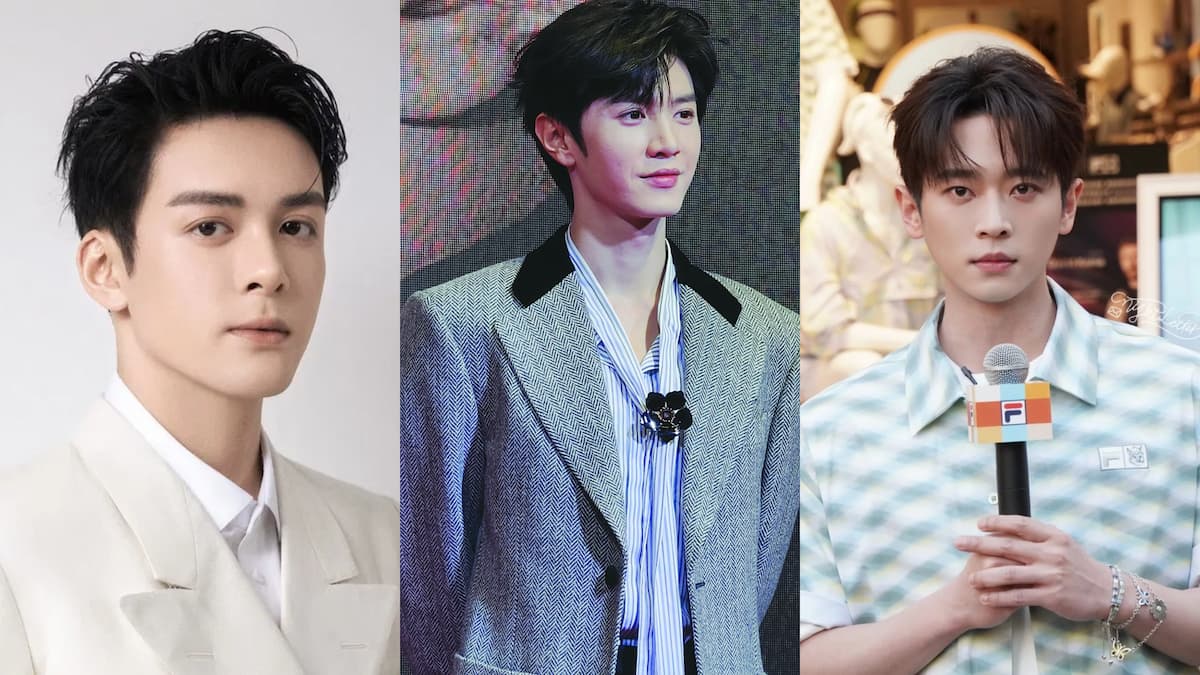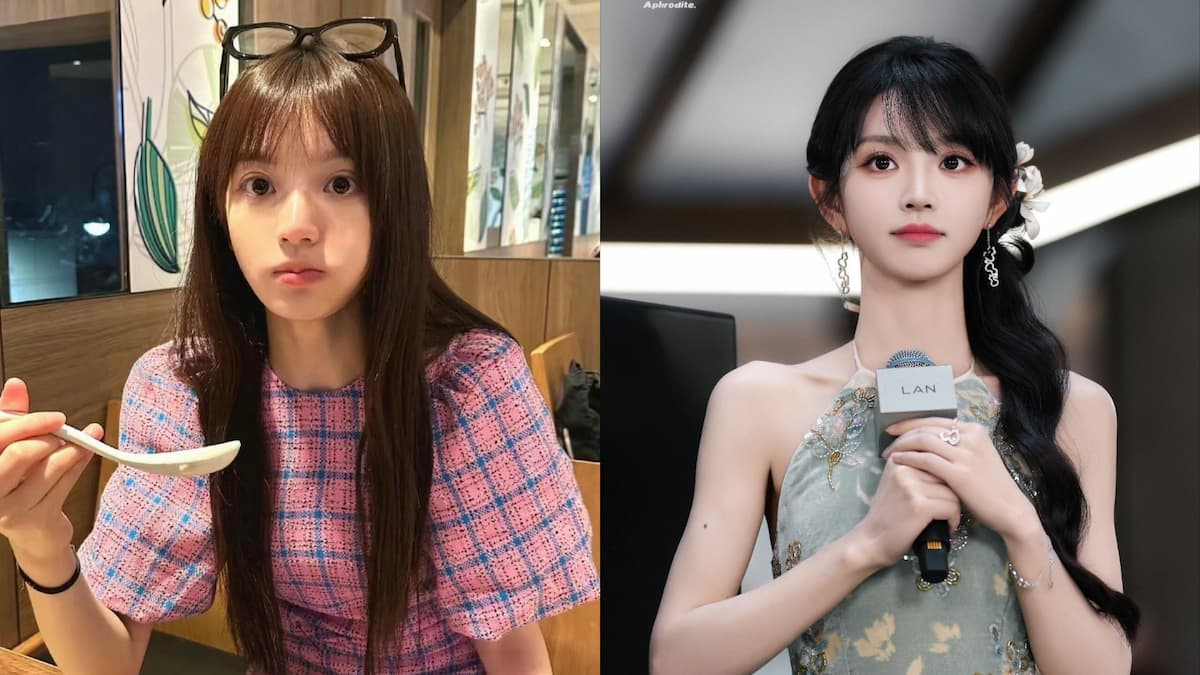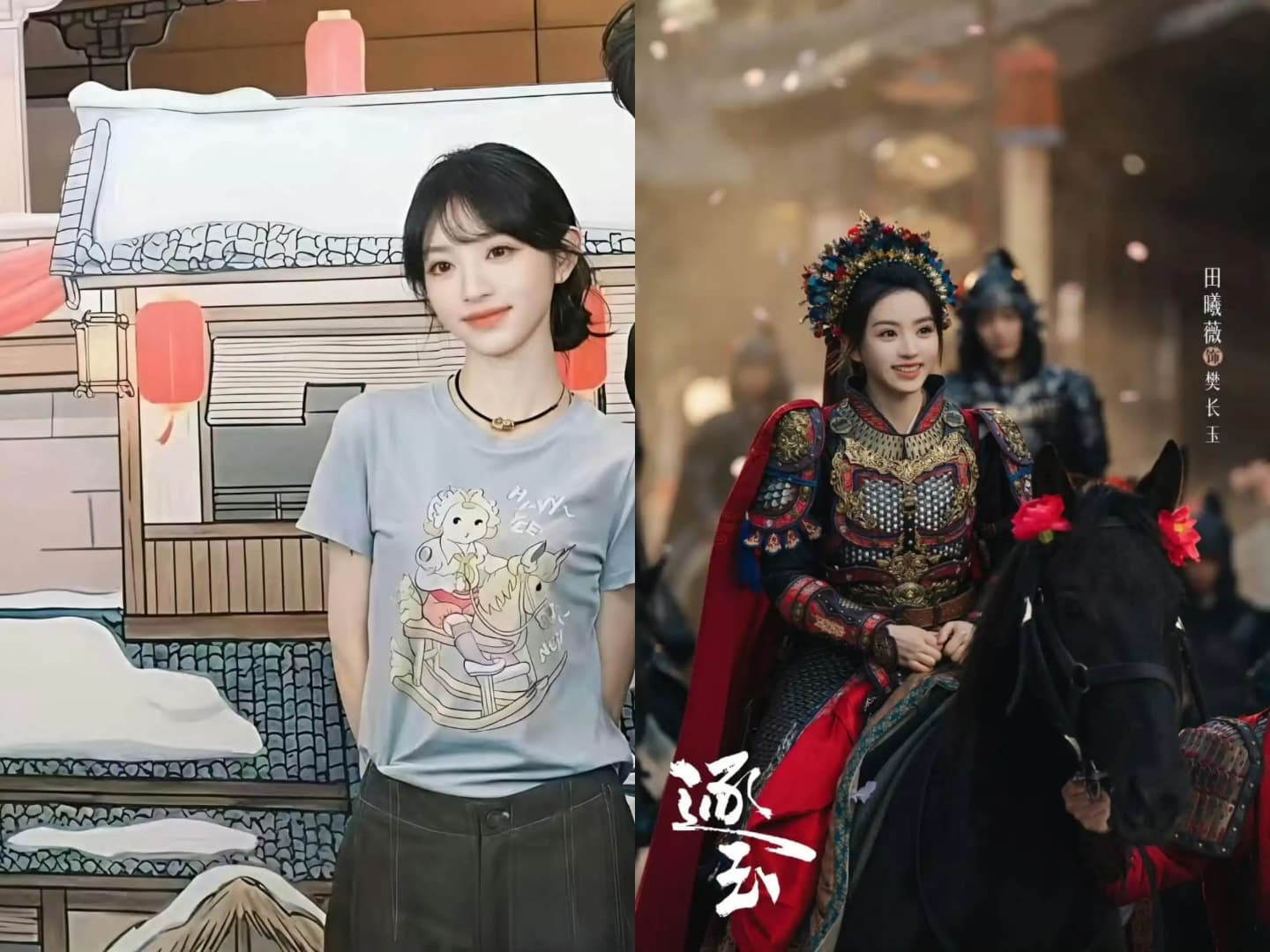
LayarHijau— This month, the author of the novel My Queen stirred heated discussion online after openly expressing dissatisfaction with Love and Crown, the drama adapted from their work. Their post sparked controversy and even caused tension with the show’s female lead, Peng Xiaoran.
Meanwhile, the author of Ashes of Love revealed that they were stunned when a producer suddenly announced a short-drama adaptation of their novel. They said they had no prior knowledge of the project and had not given explicit permission.



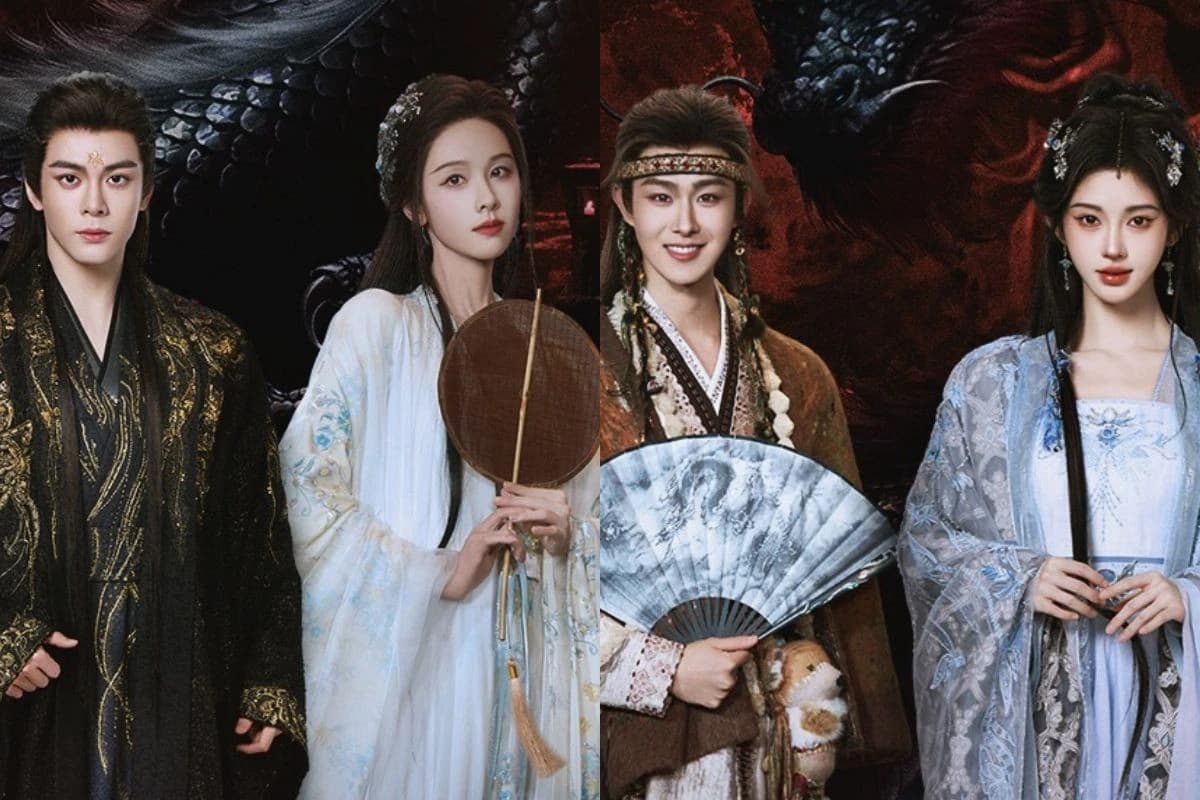
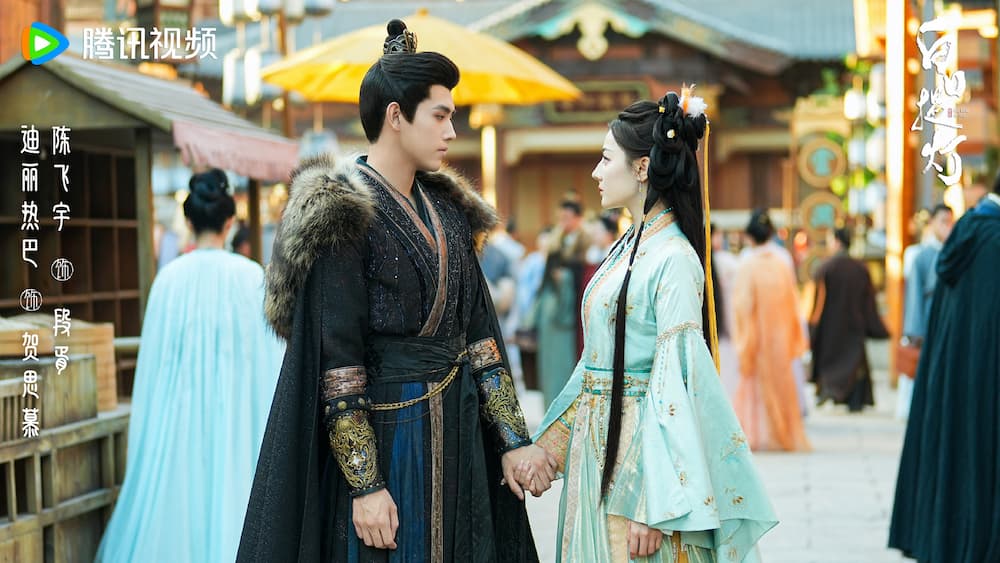
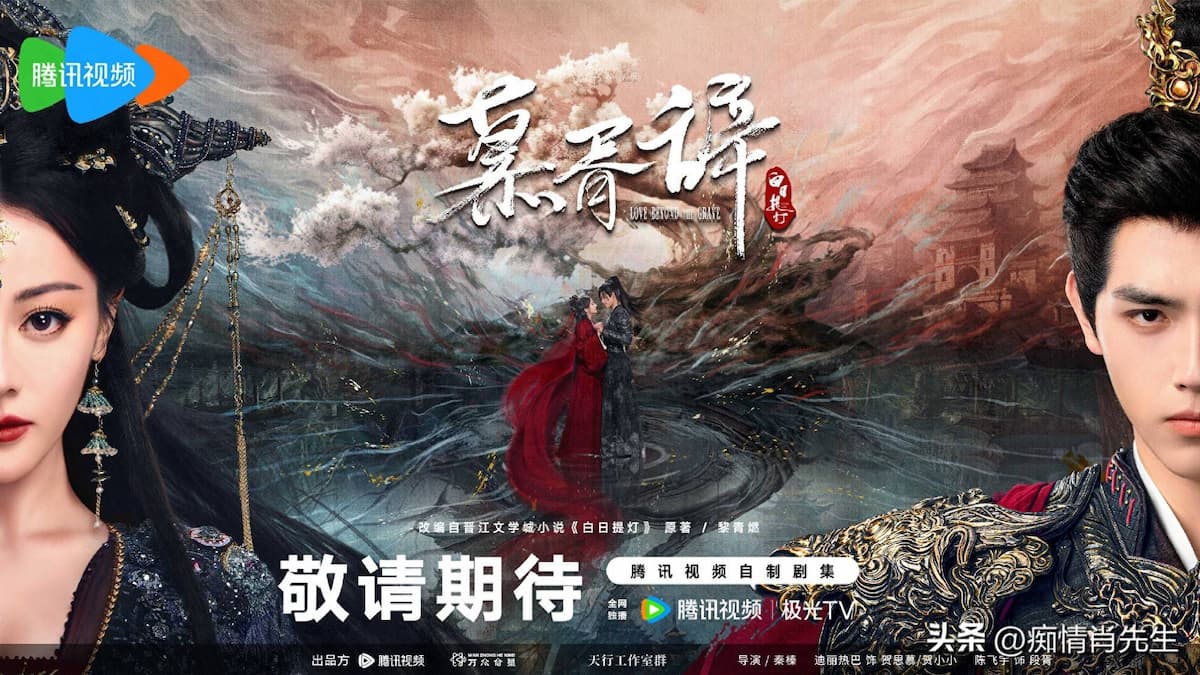
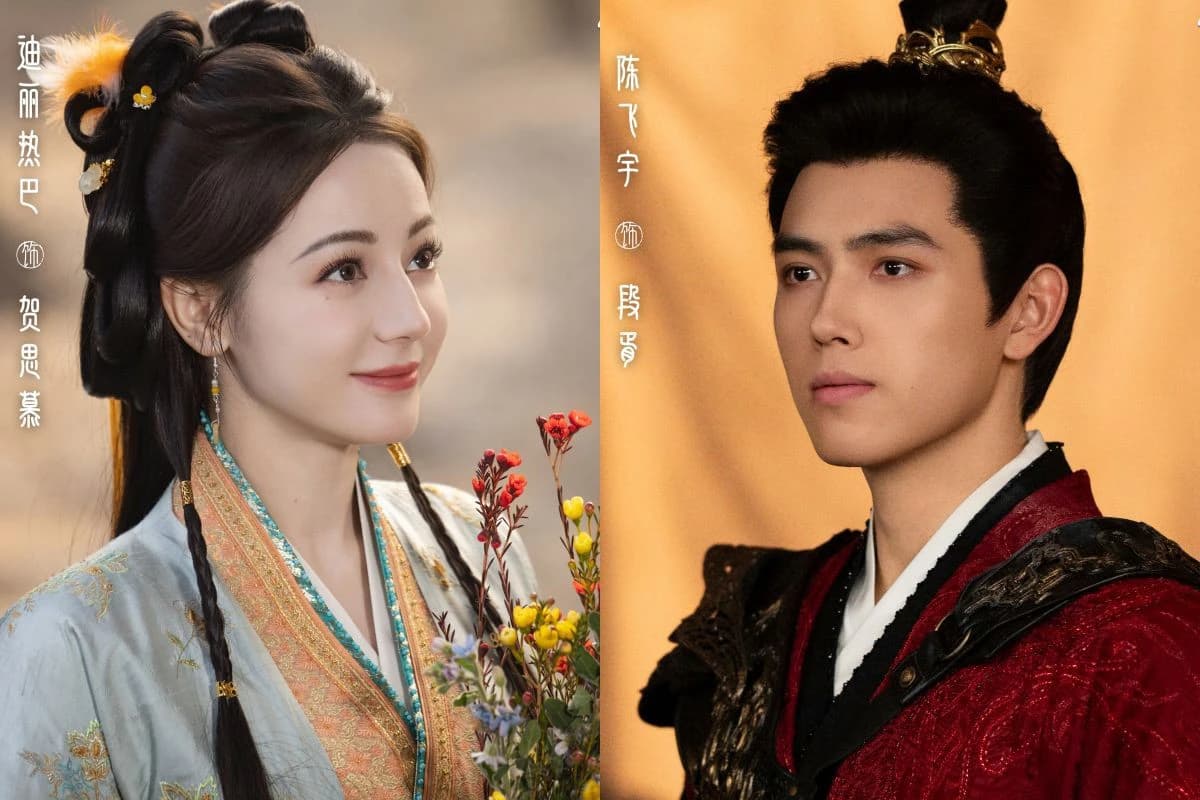
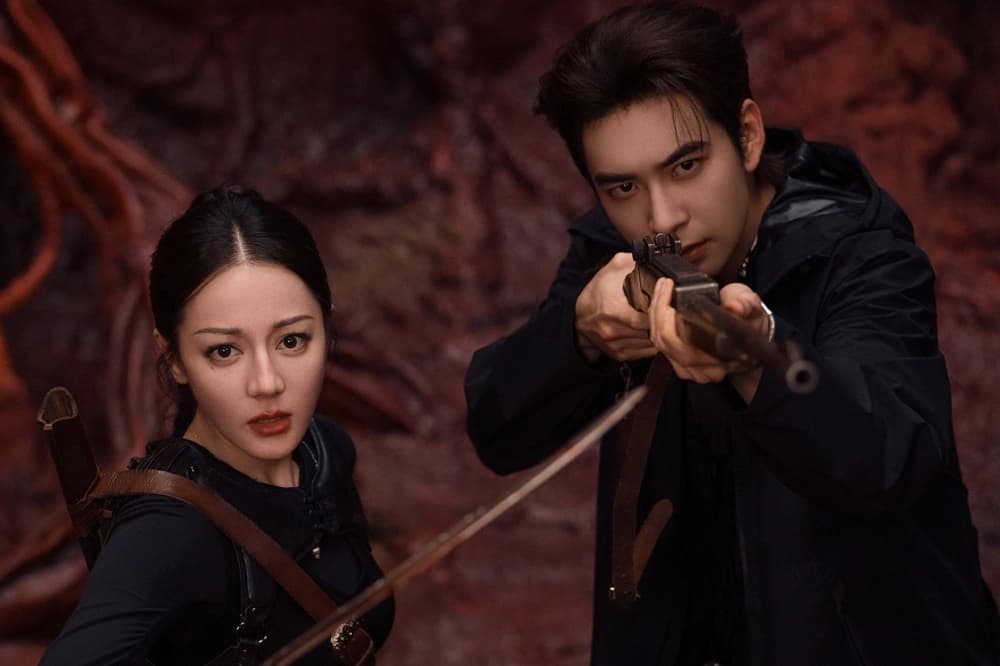
In contrast, Wei Yu — whose novel was adapted into Love on the Turquoise Land — attended public screenings of the show. Many on social media interpreted this as an indirect sign that they approved of the adaptation starring Dilraba Dilmurat and Oliver Chen.

These recent incidents represent only a small glimpse into what many writers face when their stories are transformed into screen projects.
In recent years, more and more popular novels have been adapted into films and dramas in China. Yet behind this booming IP (intellectual property) market, the position of original authors has become increasingly fragile: they often have little control, minimal information, and are frequently the first to be blamed or used for promotional purposes.
Authors Kept in the Dark, Rarely Involved
Many writers only learn that an adaptation is underway from trending posts on social media.
That happened to Xu Wei Juquan, whose novel Tomorrowland was adapted into the drama Us in Wonderland. They only discovered it after the official announcement went public. One reader even commented: “You found out later than we did?”
Writer A Zhou emphasized that this isn’t an isolated case: “This is normal. Once you sell the adaptation rights, the producers may inform you, but they aren’t obligated. It’s just a courtesy.”
Mailuo, who has had six works adapted, shared a similar experience. When they sold radio-drama rights, they didn’t know who voiced the characters until after the release: “At first, I was only given a rough estimate of the premiere schedule,” they told Sohu Entertainment News.
For many production teams, an author’s role is considered “complete” the moment a contract is signed.
Writers’ Support Used as a Marketing Tool
Another common practice is leveraging author endorsements — directly or indirectly — for promotional purposes. But casting decisions? Rarely consulted. Even though readers treat an author’s approval as the ultimate stamp of legitimacy, production companies seldom ask for their opinion on casting.
Mailuo explained: “They may share adaptation ideas or invite me to contribute to the script, but no one asks what I think about the actors.”
A Zhou clarified who holds the real power: “The investors — mostly streaming platforms. They decide the actors.”
In many cases, authors lose influence over the script entirely. Da Feng Gua Guo once noted that A League of Nobleman (君子盟), starring Jing Boran and Song Weilong, retained only the title and some character names from the original novel.
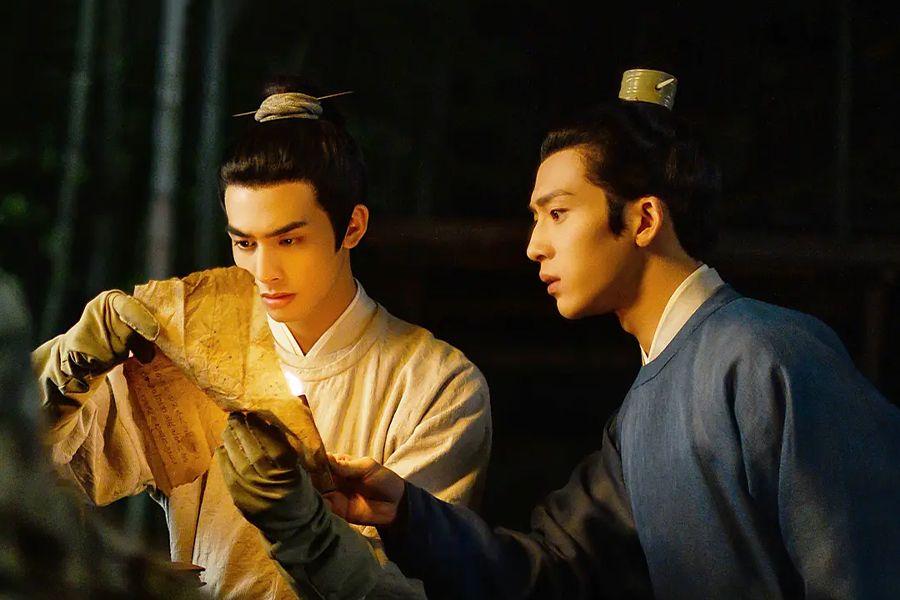
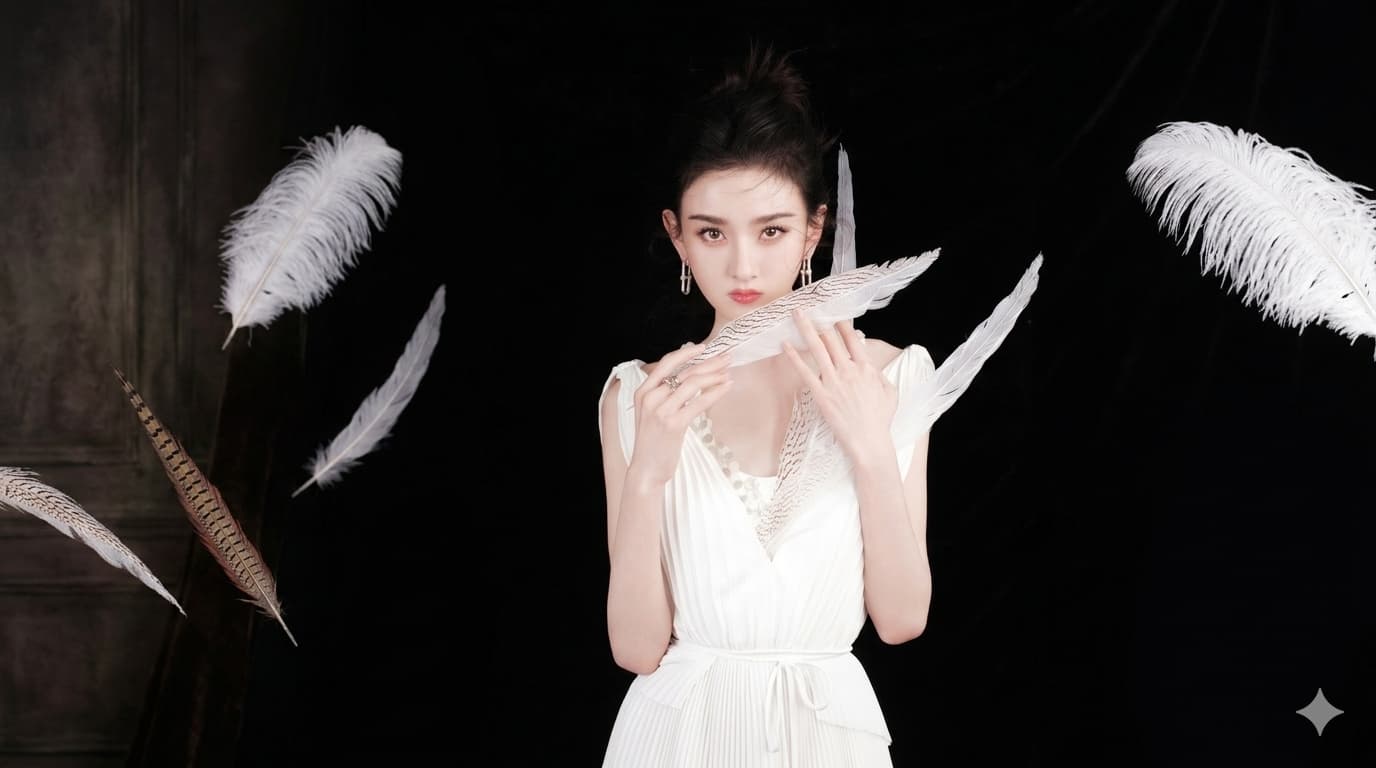
Wei Yu also mentioned that they found many scripts unacceptable — except for Rattan, starring Jing Tian and Vin Zhang, which performed well. They even rejected two ongoing projects: “The scripts were so far removed that even I, as the original author, couldn’t recognize the essence of my own story.”
They wrote on Weibo that they might refuse to sell adaptation rights in the future unless granted the authority to review and edit the screenplay.
Power Comes From the Contract — and Market Data
Many writers leave negotiations to streaming platforms, but that often makes them even more powerless.
Mailuo explained: “If the platform sells the rights, the price has to be higher because they take a cut. If I accept 200,000 yuan, the platform might demand 400,000 — and the buyer could back out.”
A Zhou, who has also worked as a producer, emphasized the importance of contracts: “If they replace the screenwriter midway, I’ll retract the rights and terminate the cooperation.”
Producers still often find loopholes. Publishing consultant Mi said: “If the contract says 80% cannot be changed, they’ll argue that the changes are ‘morally necessary’ or caused by ‘extraordinary circumstances.’” Mi concluded: “Authors cannot outmaneuver companies when it comes to content disputes.”
They added that the only reliable way for authors to maintain creative control is to become the screenwriter themselves.
Only a handful of top-tier writers — like Gu Man, Tong Hua, and Wei Yu — can negotiate narrative authority. Even they cannot control casting.
When Adaptations Drift Far From the Original
Many Chinese adaptations diverge significantly from their source material. A Zhou cited The Legend of Heroes: Hot Blooded: “They cut the entire setting. Important family dynamics disappeared. The story felt dry.”
Mailuo also experienced an online film adaptation where: “Besides the character names, I couldn’t recognize anything. But what can I do? The payment was already made.”
Yet authors are discouraged from voicing frustration while a project is airing. Mi described an unwritten rule of the industry: “During broadcast, everyone must publicly support the show. If authors create negative sentiment, it will be difficult for them to sell IP in the future.”
Thus, many choose to stay silent, even when deeply disappointed.
Successful Adaptations Still Benefit Writers
Despite this silence, a successful adaptation can directly benefit authors. High ratings often boost book sales and increase demand for their other IPs.
Mi noted: “If one adaptation succeeds, the author will be treated much better in future projects.”
Ultimately, the industry follows a simple logic: “It’s business — everyone must profit.”
But in reality, the creators who first sparked the imaginative worlds consumed by millions often pay the highest price.
(Some novelists in the interviews chose to use pseudonyms. They preferred to remain anonymous.)