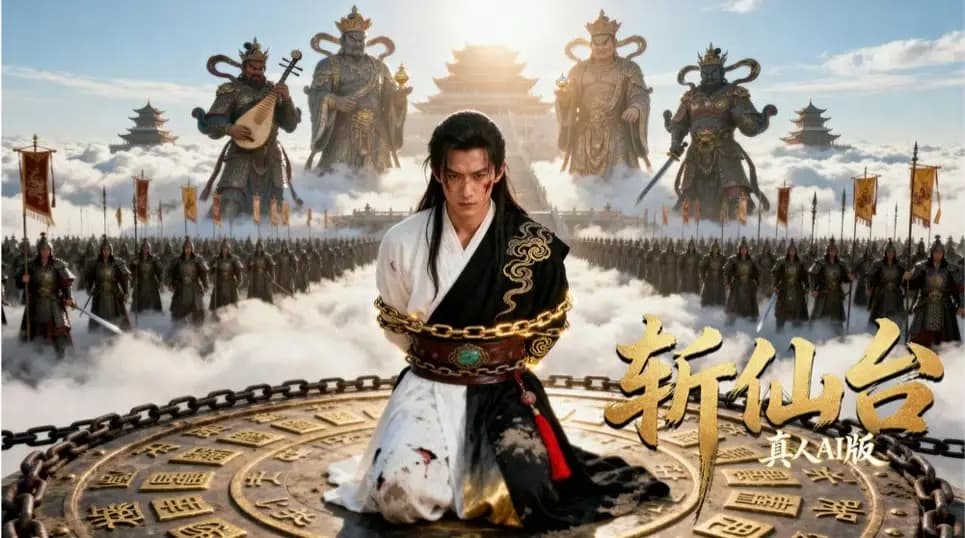
LayarHijau – The past year has marked a period of rapid transformation for China’s film and television industry. The accelerated application of artificial intelligence (AI) in audio-visual production, combined with the continued rise of micro dramas, has intensified competition and reshaped the creative landscape at an unprecedented pace.
National People’s Congress deputy and renowned screenwriter Zhao Dongling recently spoke candidly about how AI is impacting industry professionals. According to her, the speed of change over the past year has felt more intense and more disruptive than what many experienced over several previous years combined.
Next articles
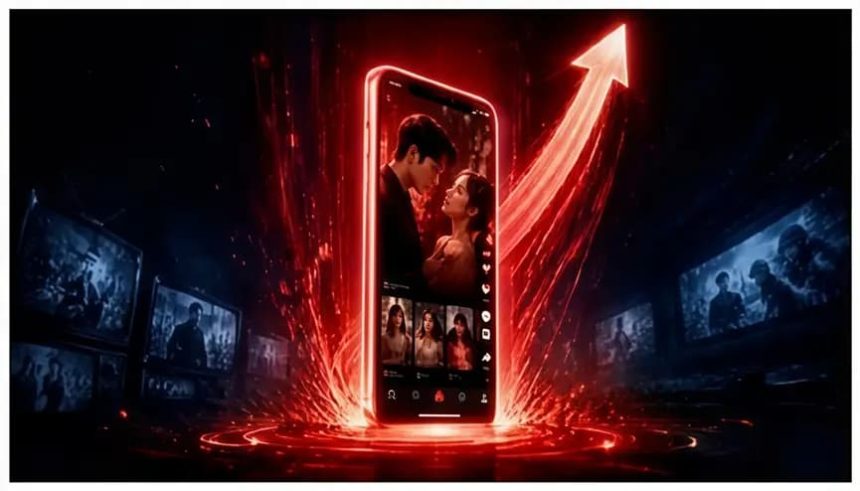

Objectively, Zhao acknowledged that AI has indeed lowered the technical barriers to film and television creation. With tools becoming more accessible and processes increasingly automated, more individuals can now participate in content production.
However, she firmly emphasized that AI will never be able to replace human creativity.
“Once technical barriers are removed, the unique value of human creativity becomes even more evident,” Zhao stated. Rather than feeling anxious about technological advancement, she said she has grown more confident.
In her view, the current environment is actually pushing creators to improve. Outstanding screenwriters are becoming increasingly rare, and the industry is now forcing professionals to prove that they possess qualities that cannot be replicated by machines.
Zhao did not shy away from addressing the harsher reality of this shift. She spoke bluntly about the likelihood of some writers being phased out.
“To put it bluntly, if you were mediocre to begin with and you are eliminated, that is normal. It simply means your work does not have irreplaceable value,” she said.
She compared this transformation to the profession of typists in the past. Once considered stable and respectable jobs, typists were eventually replaced as technology evolved. For Zhao, such change is not cruel but inevitable — a natural outcome of progress.
As one of China’s recognized screenwriters, Zhao is known for her work on Red Sorghum, a television adaptation of Mo Yan’s novel that received widespread attention and critical recognition when it aired. Her body of work, often rooted in social realism, has strengthened her reputation as a writer with sharp insight into Chinese society.
For Zhao Dongling, AI should not be seen as an enemy of creativity, but as a catalyst for higher standards. As technological thresholds continue to fall, survival in the industry will depend less on technical skill alone and more on originality, depth of thought, and the distinctly human ability to craft stories that resonate.
In an era where tools are becoming increasingly powerful, Zhao’s message is clear: technology may change the rules of the game, but it cannot replace the irreplaceable.