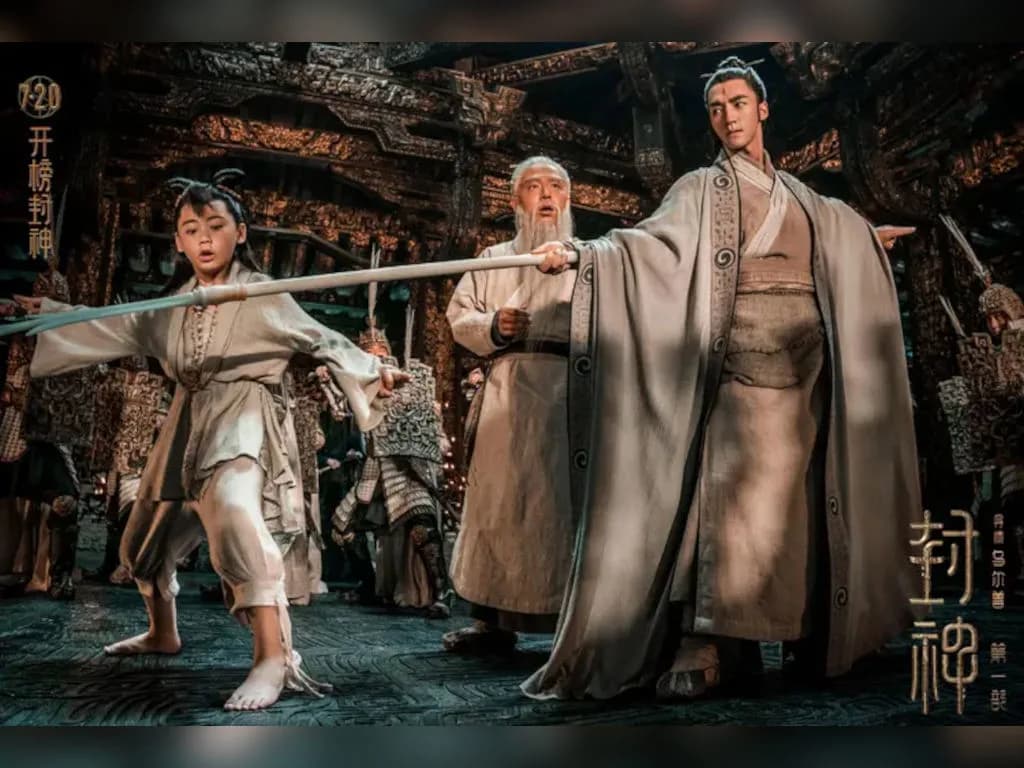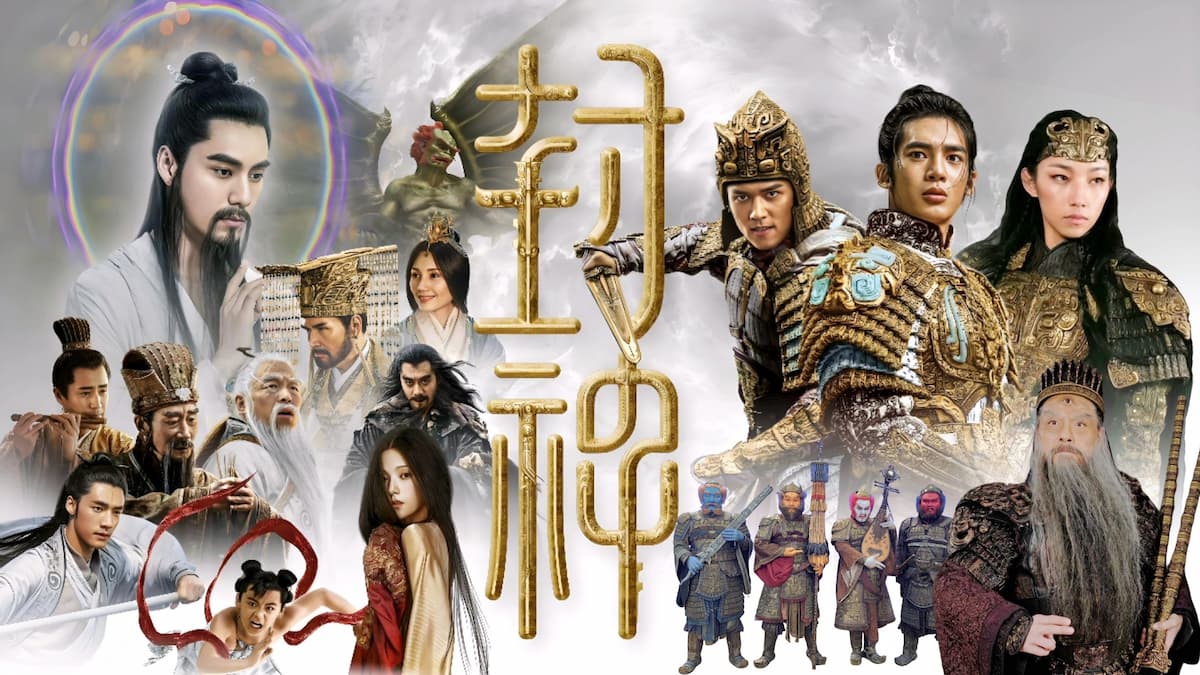
LayarHijau– Beijing Culture, the main investor and producer of the Creation of the Gods film series, has released a financial performance forecast indicating significant pressure in 2025. In a performance report announced on January 30, the listed company projected a net loss of 350–410 million yuan, equivalent to approximately USD 54–65 million.
In its statement, Beijing Culture noted that one of the primary contributors to the loss was the film project Creation of the Gods II: Demon Force (封神第二部:战火西岐). The film failed to meet its previously set box office revenue targets, resulting in the project recording a loss.
Next articles

The company explained that a prolonged production period, combined with intense competition in the Lunar New Year holiday film market, caused production costs as well as promotion and distribution expenses to surge. This combination placed substantial pressure on the project’s overall financial performance.
In addition, during the reporting period, Beijing Culture conducted reviews and analyses of various assets in accordance with Corporate Accounting Standards. Based on the principle of prudence, the company made provisions for asset impairment on several assets deemed to have potential losses. The final amount of these provisions will be determined through evaluations by independent institutions and audits by public accounting firms.
As a sequel within the major Fengshen IP, Creation of the Gods II: Demon Force generated divided responses among audiences and critics during its theatrical run. On one hand, the film received praise for its representation of female characters and its emphasis on themes of patriotism; on the other hand, it faced sharp criticism regarding the quality of its visual effects and the handling of its narrative.
A key highlight of the film lies in its more progressive portrayal of female characters. The reinterpretation of Deng Chanyu emerged as the biggest surprise, as she breaks away from traditional roles dependent on male characters and is infused with the historical aura of Fu Hao, a female warrior of the Shang Dynasty. Nashi underwent 506 days of intensive training, including horseback riding and martial arts, to shape the image of a formidable warrior on the battlefield. Her line, “Have you ever seen my father kill without mercy?” was seen as underscoring a resolute and courageous character. This adaptation was considered aligned with modern audience preferences and received widespread appreciation.
Expressions of patriotism also became an added value of the film. The narrative goes beyond a simple contrast between good and evil, highlighting the solidarity of the people and soldiers of Xiqi, as well as their longing for peace. The loyalty and sacrifice of Wen Taishi, along with Ji Fa’s transformation from a passionate youth into a more wise commander, add emotional layers amid the backdrop of war. The concept of “growing through loss” embodied by Ji Fa connects personal choices with the fate of the nation and is regarded as one of the film’s emotional cores.
However, visual effects became the most controversial aspect. As a mythological epic, the film was expected to excel visually, yet inconsistent results drew criticism. The statue of the deity Yinjiao with “three heads and six arms,” built over 18 months by an international team, was criticized for its blue lighting and an appearance considered awkward. The designs of the four Mo generals were viewed as lacking depth and not fully optimized, while the Ten Absolute Formations, reduced to light and geometric shapes, were said to have lost the sense of power described in the original source material.
The storyline also sparked debate. The relationship between Ji Fa and Deng Chanyu was seen by some viewers as forced and lacking a strong narrative foundation, disrupting the focus of the main plot. Loyal fans of the novel Fengshen Yanyi criticized the reduced roles of popular characters such as Nezha and Yang Jian, while Zhou Wang and Shen Gongbao were perceived as functioning merely as background figures. A scene in which Yuanshi Tianzun’s power is absorbed by human corpses was also criticized for violating character logic and excessively forcing dramatic conflict.
Director Wu Ershan responded to the criticism by stating that Yinjiao’s character design was intended to express inner conflict, and emphasized that the relationship between Ji Fa and Deng Chanyu was meant to reflect mutual respect between fellow warriors rather than a romantic bond. Nevertheless, these explanations did not fully quell the debate. During several promotional events, some audience members continued to voice dissatisfaction, while others accepted the creative approach and expressed hope that the third installment would help restore the reputation of the series.
With a box office gross of approximately 1.225 billion yuan (around USD 170 million), Creation of the Gods II: Demon Force still demonstrates the strength of the Fengshen IP. However, the high production and marketing costs meant that this achievement was not sufficient to prevent losses, underscoring the substantial financial risks inherent in large-scale epic films.