LayarHijau— Although Love’s Ambition has officially concluded its broadcast, the romantic drama starring Zhao Lusi and William Chan continues to leave a strong impression on viewers. Beyond its love story and character dynamics, the series is still widely discussed for its carefully chosen filming locations. Spanning modern urban districts and centuries-old villages, the drama offers a visually rich journey through different faces of Beijing—many of which are now being sought out by fans eager to retrace the story’s footsteps.
Next articles


One of the most frequently featured areas in the drama is Beijing’s Sub-Center in Tongzhou District. This modern district serves as the backdrop for many everyday scenes, presenting a contemporary and well-planned side of the capital. Xihai Zi Park appears as early as the second episode and plays an important role in establishing the drama’s gentle, romantic tone. Located in the heart of Tongzhou, the park is known for its classical garden design, calm lake views, and wide walking paths. Scenes of Xu Yan and the male lead jogging or spending quiet moments by the water highlight the park’s serene atmosphere. In the late afternoon, sunlight reflecting off the lake creates a highly photogenic setting that continues to attract visitors.
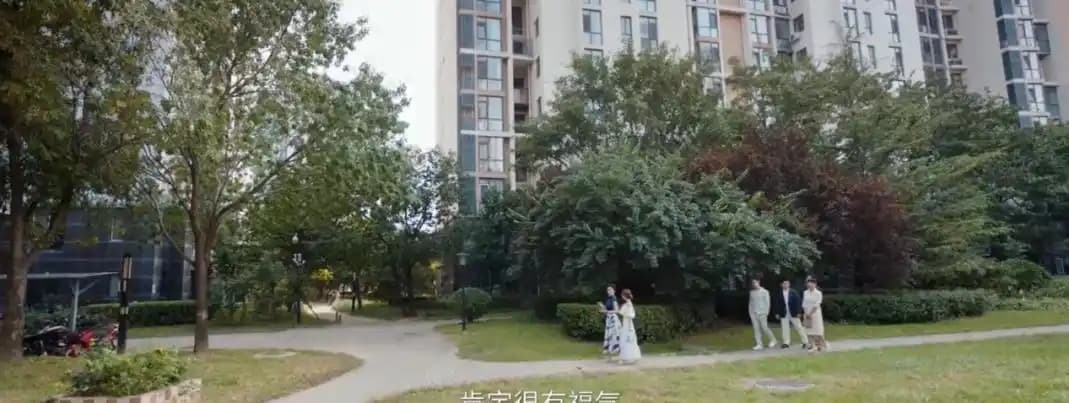
Also in Tongzhou, Tianshi Mingyuan Residential Community represents modern urban living in the series. With its minimalist architecture and generous green spaces, the complex appears in multiple outdoor scenes that depict the characters’ daily routines as they balance career ambitions with personal relationships. The contrast between high-rise buildings and landscaped gardens adds a realistic urban romance to the drama’s visual language.
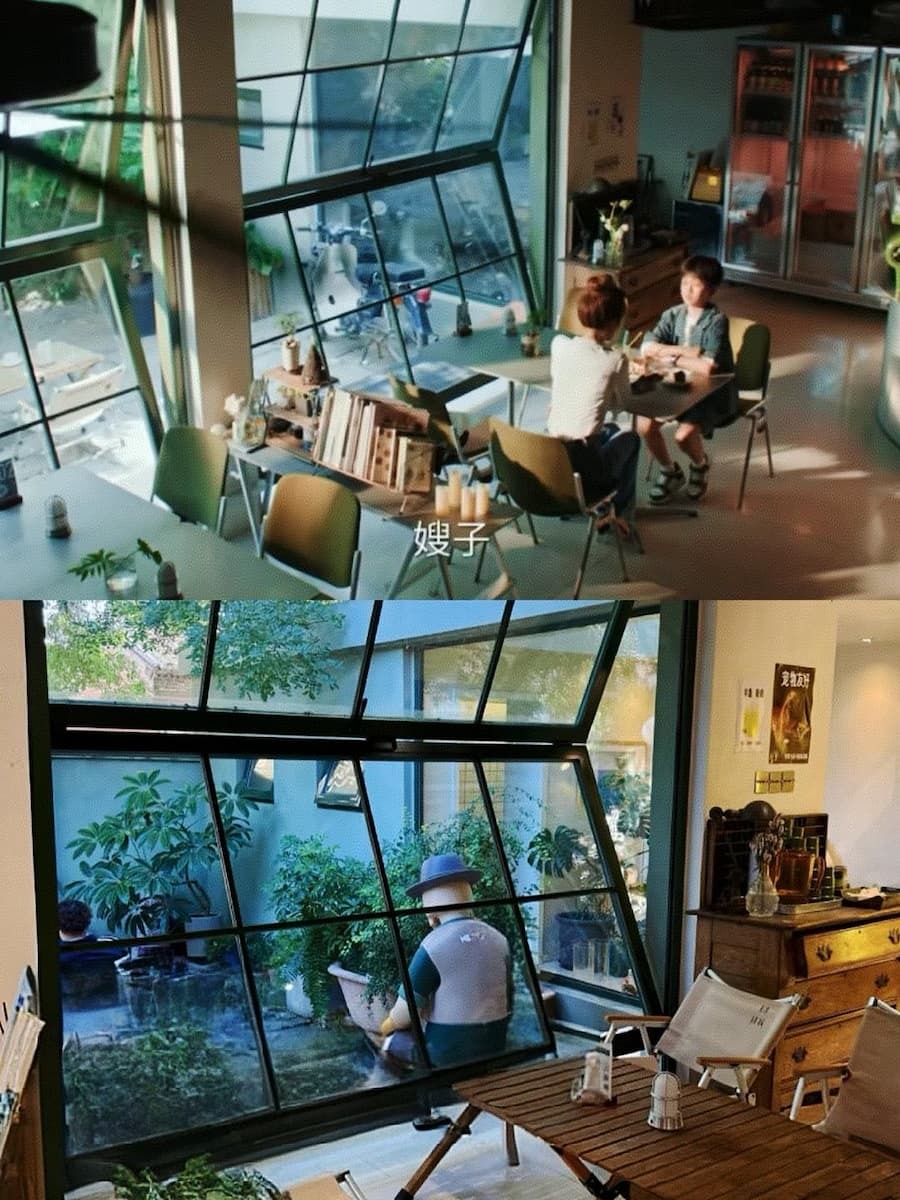
A more artistic side of Beijing is shown through Songzhuang Art District, a well-known hub for contemporary art. Within this area, HK Coffee Shop stands out as a recognizable filming location. The café’s industrial-style interior, combined with local artwork and natural light from large windows, creates a relaxed and intimate setting. Several quiet scenes featuring Xu Yan reading or enjoying coffee were filmed here, making it a popular spot for fans looking to recreate similar moments.
Nearby, Daqi Film and Radio Museum adds a nostalgic layer to the drama. The museum houses collections of vintage radios, film projectors, and audiovisual equipment dating from early periods to the 1980s. Its dim lighting and retro displays were used to frame emotionally reflective conversations, reinforcing the drama’s sense of memory and time.
In contrast to the modern cityscape, Love’s Ambition also introduces viewers to a more poetic and tranquil side of Beijing. Shuiyu Village in Nanjiao Township, Fangshan District, serves as the filming location for the home of Xu Yan’s grandmother. This historic village dates back to the Ming Dynasty and has existed for over 600 years. Built along mountain slopes, the village features tiered houses arranged naturally with the terrain.
Shuiyu Village is known for its “four ancient cultural elements”: historic residences, ancient stone mills, an old trade route, and the traditional Zhongfan folk performance. Hundreds of preserved buildings and stone-paved paths remain, bearing witness to centuries of history. The village’s quiet atmosphere and unspoiled scenery provide a strong contrast to the urban settings, deepening the drama’s portrayal of family ties and emotional roots.
Additional outdoor scenes were also filmed around parks and open spaces in Tongzhou, including canal-side paths and green corridors that reflect Beijing’s evolving urban landscape. These locations are relatively close to one another and easy to access, making them suitable for a one-day sightseeing route inspired by the drama. Several scenes in the drama were also filmed at various iconic locations, such as Gubei Water Town in Miyun District and Beijing World Park.
Through its diverse filming locations, Love’s Ambition goes beyond a simple romance narrative. It presents multiple layers of Beijing—from modern residential districts and creative spaces to historic villages shaped by time. Even after the drama’s finale, these locations continue to draw viewers who wish to follow in the footsteps of Zhao Lusi and William Chan, discovering the city through the lens of the story itself.