LayarHijau— Chinese entertainment outlet Sohu Entertainment News has drawn attention to a growing trend dominating Korean dramas in recent years: the rising popularity of ruthless female characters who unexpectedly become the main appeal of a show. For readers unfamiliar with the platform, Sohu is one of China’s largest entertainment portals, known since the early era of online media and widely referenced across Asia for its rapid, sharp, and in-depth coverage.
In its latest report, Sohu spotlights Dear X as the newest example of this trend. The drama, led by Kim Yoo Jung, has only aired four episodes but is already generating major buzz with strong ratings and widespread online discussion. Baek Ah Jin is portrayed as a cold and calculating figure—someone who could abandon her dying mother, exploit another person’s guilt for personal gain, and even orchestrate situations that force innocent people to take her place. Her unpredictable choices from scene to scene are exactly what keep viewers hooked.




Sohu argues that part of the appeal lies in how K-Drama’s old formulas have faded. In the past, Korean dramas were full of gentle, long-suffering heroines who waited to be saved or silently endured mistreatment. These characters defined the early wave of K-Drama popularity, but eventually led to fatigue. Today’s audiences—especially women—are craving something different: characters who fight back, think strategically, make extreme decisions, and refuse to relinquish control over their lives.
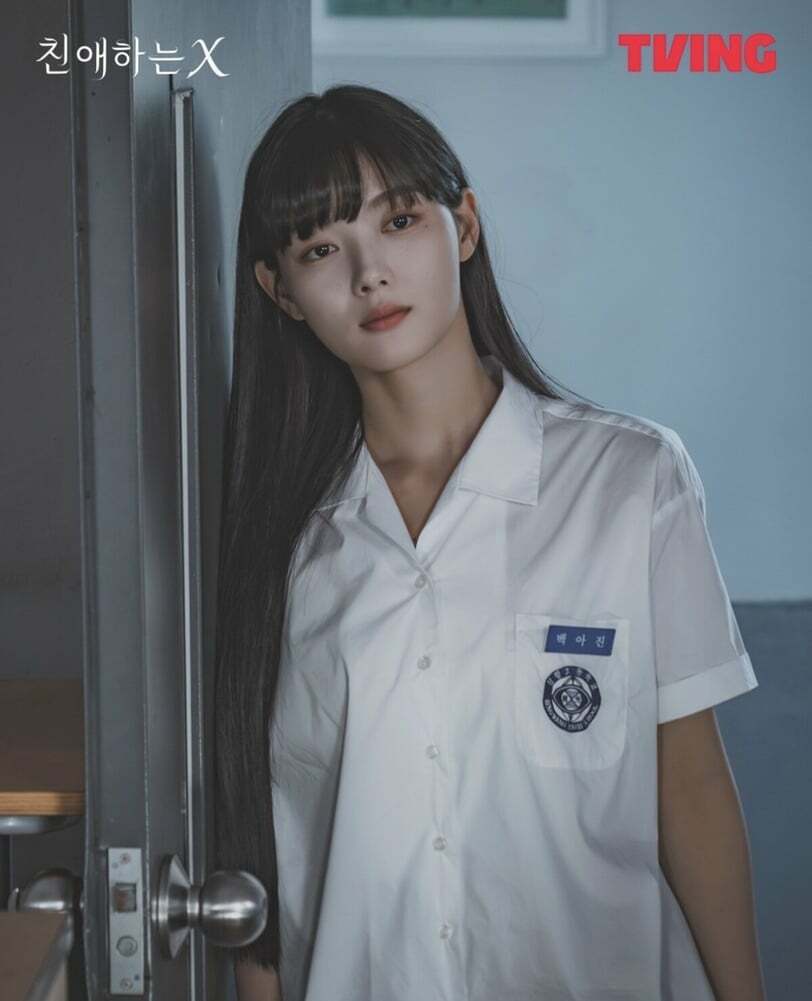
According to Sohu, the “evil” displayed by these women is always rooted in clear motivations shaped by their backgrounds. Baek Ah Jin was scarred by a traumatic childhood: her biological father killed her mother, while her stepmother treated her harshly and never offered warmth. Park Yeon Jin in The Glory grew up in a cold household, witnessing her mother’s affair with her teacher while being pressured and neglected. Meanwhile, Moon Dong Eun chose vengeance after enduring severe bullying that destroyed her youth.
Sohu emphasizes that these characters share a common thread: their cruelty is not innate, but formed as a response to unresolved pain. Their extreme actions often stem from wounds left untreated. This blend of “suffering yet ruthless” makes them feel complex rather than one-dimensional. Baek Ah Jin, for example, weaponizes her stepsister’s guilt to keep her obedient while using her connections and resources to maintain control over every situation around her.
The outlet also connects this trend to modern viewing habits. Dear X jumps straight into cycles of retaliation, betrayal, extreme behavior, and high-intensity scenes from the very beginning—an approach that aligns more closely with today’s fast-paced drama consumption than slow-burn romances of the past.
Even so, Sohu notes that some series occasionally push the intensity too far, to the point where certain scenes feel unrealistic or removed from everyday life. Yet this does not diminish the significance of the shift underway.
In its conclusion, Sohu argues that the exploration of “vicious” women reflects meaningful progress in how Korean dramas portray human nature. Film and television do not need to be bound by rigid moral messages such as “good deeds bring good rewards.” By boldly depicting the darker side of humanity—ambition, vengeance, emotional wounds, and the will to survive at any cost—stories can feel more real, more honest, and more alive. And because of this willingness to embrace complexity, these dramas resonate more strongly with today’s audience and continue to gain relevance.