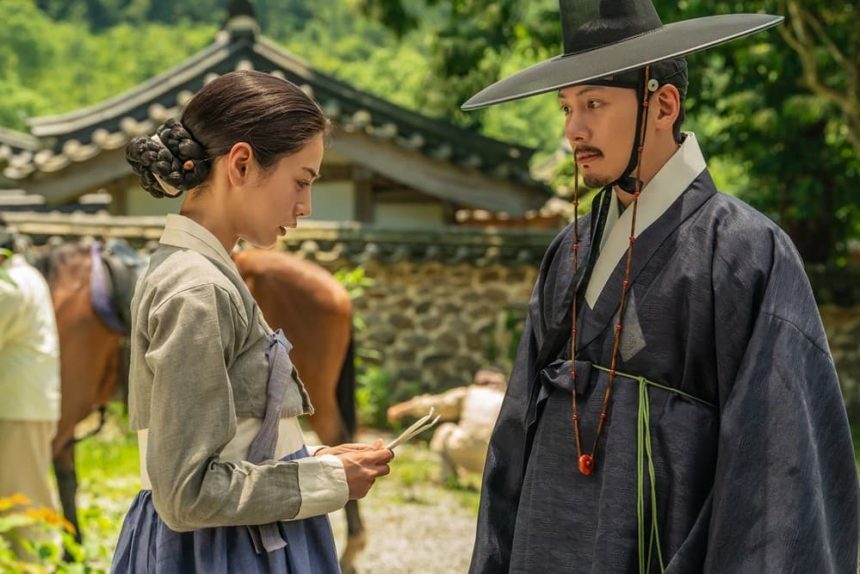
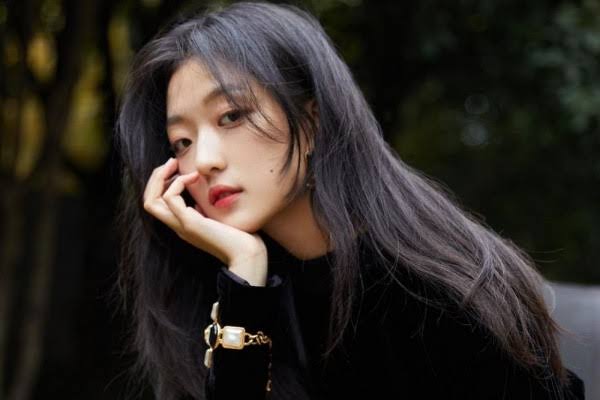
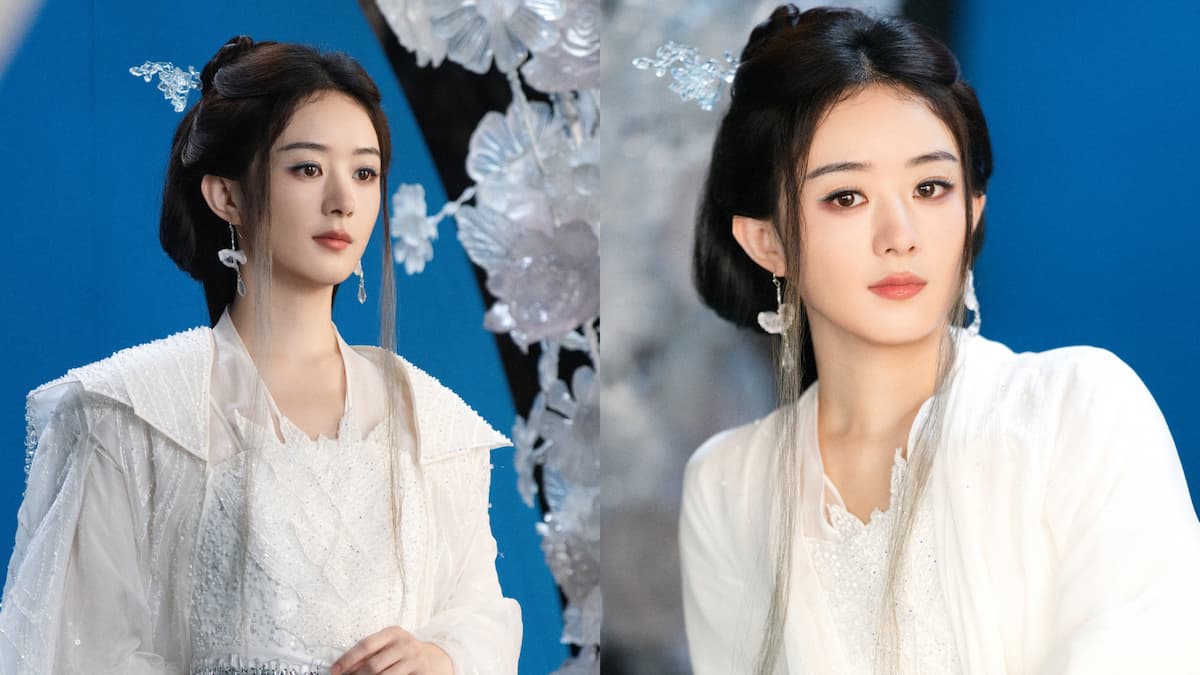
LayarHijau – The Chinese drama Against the Current (Lan Xiang Ru Gu), starring Tan Songyun and Liu Xueyi, officially premiered on CCTV-8 on September 11, 2026, with exclusive streaming available on Tencent Video. Adapted from the novel Lan Xiang Yuan by He Yanshan, the production generated massive anticipation, surpassing 3 million pre-release reservations. However, beneath the hype, the series has been shadowed by controversy since its 2025 production phase, stemming from drastic character name changes and inconsistent author credits in promotional materials.
He Yanshan’s original novel Lan Xiang Yuan boasts a large fanbase in the historical romance genre and holds a rating above 8 on Douban. In the book, the female lead is named Chen Xianglan, while the male lead is Lin Jinlou. In the television adaptation, however, the characters were renamed Xu Lanxiang and Lin Jinqi, respectively.
Next articles

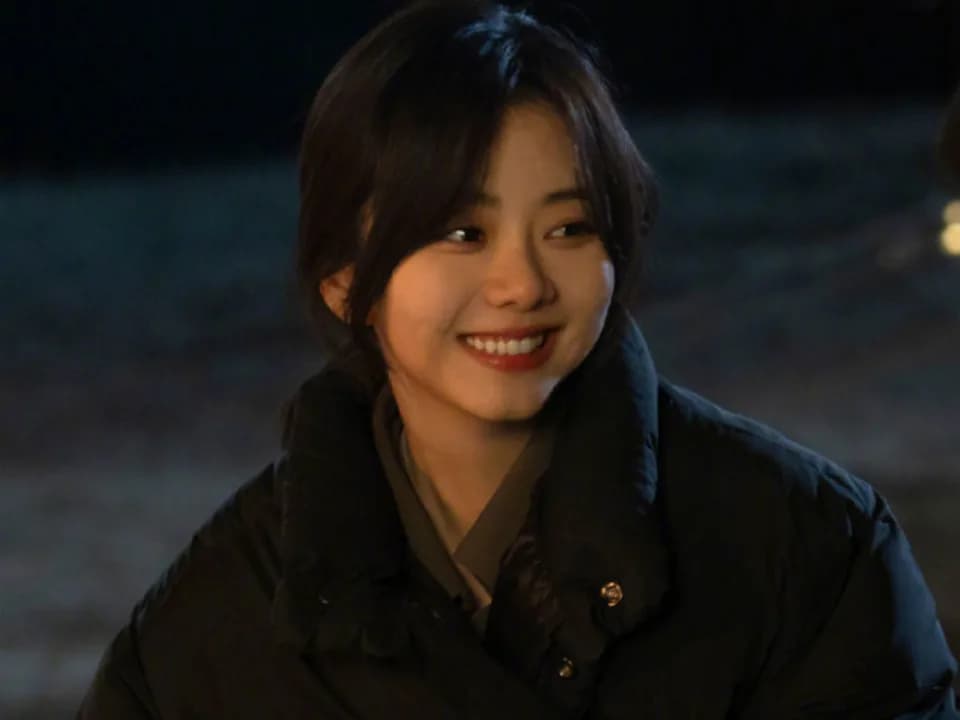
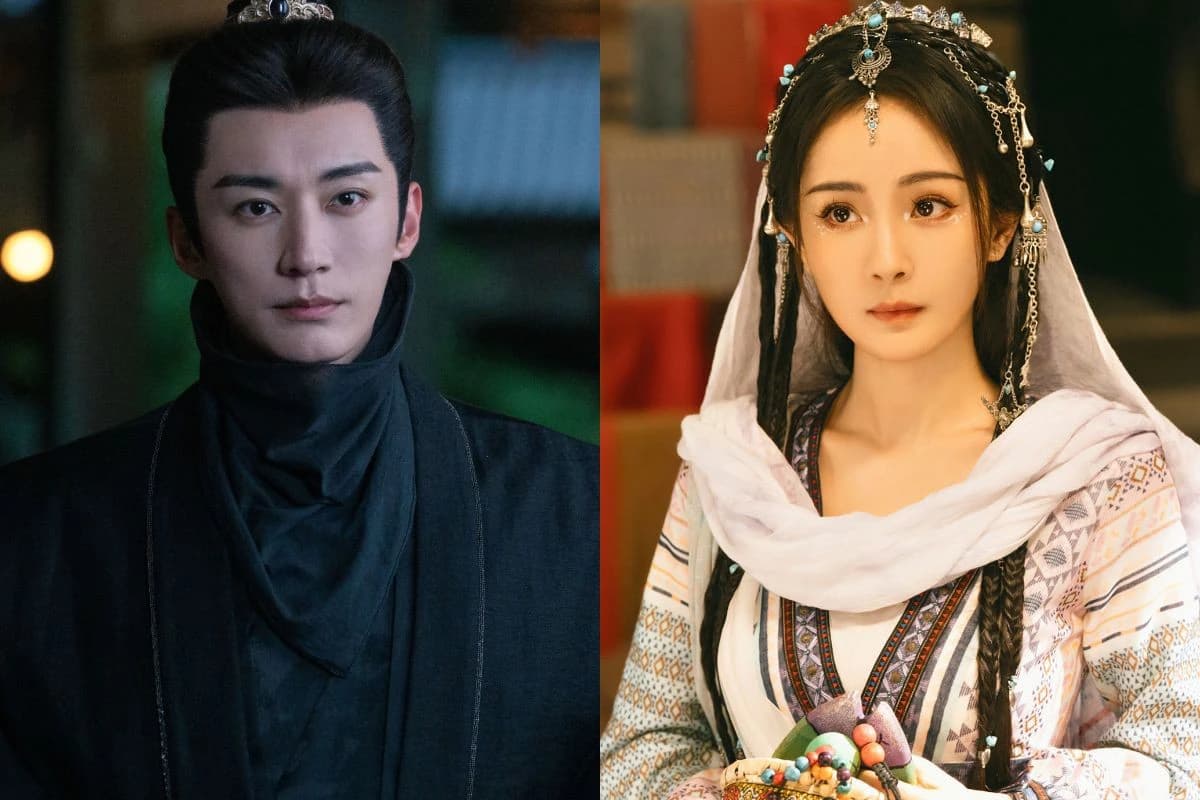
This renaming became a primary source of friction for He Yanshan. Taking to her personal Weibo account during production, she expressed frustration that the main characters’ names were altered without adequate communication. She explained that the name Chen Xianglan carries deep philosophical weight: “Chen Xiang” refers to agarwood, a precious wood that releases its rich fragrance only when subjected to heat—symbolizing a woman’s resilience through suffering—while “Lan” refers to the orchid, representing elegance and noble dignity. By altering the name to Xu Lanxiang, she argued, this layered symbolism of endurance and integrity was lost.
He Yanshan further noted that the name Lin Jinlou ties into classical idioms representing modesty, virtue, and “a beautiful pavilion.” The alterations, she contended, stripped away essential identity markers established in the novel. The changes extended to supporting figures as well: Zhao Yuechan was renamed Zhao Xingtang, Yuan Shaoren became Yuan Shaohui, and several members of the Lin family underwent similar name revisions.
The storyline also diverges significantly from the source material. The novel Lan Xiang Yuan centers on soul transmigration and rebirth. Chen Xianglan enters the Lin household as a servant while retaining memories of her past life, driving a plot filled with forced romance, domestic strife, and class tension.
Against the Current takes a different narrative route. The drama’s heroine, originally named Shen Jialan, loses her family and is rescued by a servant couple, Xu Wanquan and his wife. After their biological daughter dies of illness, Shen Jialan assumes the deceased girl’s identity, Xu Lanxiang, and enters the Lin estate as a third-class maid.
This shift reshapes the core relationship dynamic. While Lin Jinlou in the novel is the heroine’s fiance entangled in a tumultuous forced relationship, Liu Xueyi’s character in the drama, Lin Jinqi, is rewritten as the eldest grandson of the Lin family. Their bond is framed around undercover disguises, joint investigations, and a shared quest to clear their family’s name.
Beyond narrative changes, the adaptation sparked backlash over credit placement. He Yanshan publicly demanded that promotional assets and the drama’s opening credits explicitly acknowledge that Against the Current was adapted from her novel Lan Xiang Yuan.
The dispute has fueled broader debates over the status of original works in television adaptations. While some readers feel the altered names and relationships dilute the novel’s core essence, others argue the drama intentionally injects modern female empowerment themes into a feudal backdrop, naturally creating a distinct character profile. From a production standpoint, screen adaptations rarely translate novels verbatim, as visual storytelling demands different narrative structures.
The credit dispute also touches on legal boundaries. Attorney Zhao Hu of Beijing Zhongwen Law Firm noted that omitting an author’s name from promotional posters does not automatically constitute a copyright infringement on television works. The critical legal benchmark, according to Zhao, is whether the original author is properly credited in the finalized opening titles of the broadcast version.
Zhao added that if an adaptation credits only the novel’s title while omitting the author, or if the adaptation strays so far that it alters the fundamental integrity of the work, it could raise legal questions regarding moral rights and structural integrity. However, any legal standing ultimately depends on the specific terms of the adaptation contract and the final broadcast cut. Similar legal debates over moral rights previously surfaced during the film adaptation of The Nine-Story Demon Tower, based on the novel series The Lost Tomb.
Despite the lingering adaptation controversy, Against the Current stands out for its production scale. The production team constructed a Ming Dynasty-style garden spanning roughly 40 mu over 155 days. Tan Songyun wears over 80 sets of costumes featuring traditional Suzhou embroidery and classic weaving techniques, while Liu Xueyi performed horseback scenes wearing armor weighing approximately 30 jin.
Marketed around themes of female growth, breaking social class barriers, and female independence, the historical family drama chronicles its heroine’s journey through different social strata.
The contrast between these promotional themes and the author’s grievance highlights an ongoing industry question: how much creative integrity remains with original authors once adaptation rights are transferred?
With over 3 million reservations and prime broadcast slots on CCTV-8 and Tencent Video, Against the Current faces high expectations. For readers of the novel, the question remains whether these sweeping changes offer a refreshing reinterpretation or sever ties with the source material. For the production team, the challenge is proving that a heavily modified plot can stand on its own as a compelling drama while maintaining a meaningful connection to its origins.