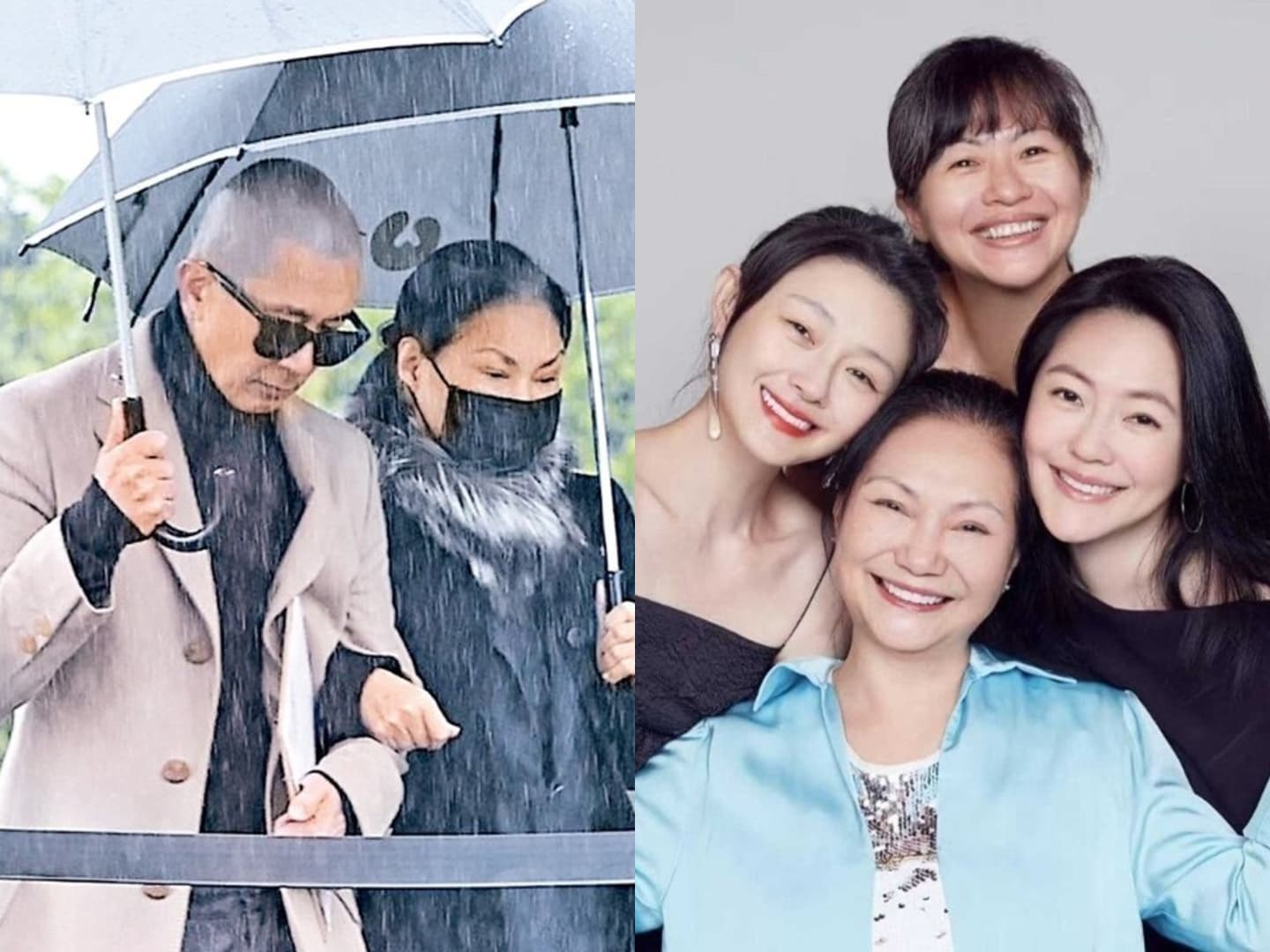
LayarHijau – Yu Menglong, a young Chinese actor whose career was on the rise, tragically died from a fall that still leaves many questions unanswered. Chinese authorities closed the case within just 12 hours, stating that no criminal indications were found. This swift closure left his mother to pursue justice alone and highlighted questionable practices within China’s judicial system.
According to SETN.com, if a similar case occurred in Taiwan, the perpetrators could face sentences totaling up to 1,500 years, including the possibility of the death penalty or life imprisonment. This incident has shocked international public opinion, renewed appreciation for Yu Menglong, and prompted a serious reflection on the state of law and society in China.
Next articles



Swift Handling Sparks Public Doubts
Yu Menglong’s death happened in a locked room, the scene was quickly cleared, and various online rumors emerged, including allegations that his death may not have been a mere accident and that he was pressured to consume alcohol before the incident. However, Chinese authorities stated that the case did not involve criminal conduct, raising serious questions about the credibility of the legal system. Many observers criticized the decision to close the investigation so quickly, suggesting it resembled a cover-up and eroded public trust in the law. Unlike other countries that conduct thorough investigations and issue public reports, China’s handling of the case has only fueled suspicion and turned it into a symbol of “opaque justice.”
Renowned lawyer Yan Ruicheng noted that under Taiwanese criminal law, those involved could be charged with multiple offenses, including unlawful restriction of freedom, assault causing death, coerced sexual acts, and forced alcohol consumption. Combined, these crimes could lead to sentences totaling 1,500 years, or even the death penalty or life imprisonment. This stark contrast highlights the differences between the two legal systems. In Taiwan, judicial procedures emphasize careful handling and examination of evidence along with thorough investigations through autopsies, surveillance footage, and communication records, rather than hastily closing the case.
Censorship and Public Reaction
Stanford University lecturer Xu Huiren noted that attempts by authorities to suppress rumors and censor information have only fueled public skepticism and anger. In China, there are no public trials, and facts about the case remain hidden. While Yu Menglong’s mother remains silent, netizens have launched waves of calls for justice, without any meaningful legal response. They have begun collecting and analyzing crime scene footage, comparing social media posts, and even accessing foreign websites to bypass censorship. This phenomenon reflects widespread distrust in government credibility.
Why the World Needs to Remember Yu Menglong
Yu Menglong was not just a young celebrity victim; he also symbolizes the state of Chinese society and human rights. His experience exposes the dark side of the entertainment industry, gaps in the legal system, and institutional pressures. The world should remember him not only to mourn, but also to question whether the system can protect young people in the future. The doubts left by his case have become a key subject in international human rights research, illustrating a harsh reality: even those striving to stay innocent remain vulnerable to injustice.
The Impact of Yu Menglong’s Death and the Wave of Online Calls for Justice
Yu Menglong’s death has shaken the credibility of China’s judicial system, spread fear in the entertainment industry, disillusioned young people about legal protections, harmed China’s international image, and become a critical case study in human rights research. This case is not just a single death—it reflects systemic cracks in Chinese society. Many netizens voiced their concerns with slogans such as: “Today it’s Yu Menglong, tomorrow it could be us.” This injustice has drawn global attention to the rule of law in China, becoming a focal point for transnational human rights organizations and international media.
Yu Menglong’s death represents the injustice faced by a young man at the hands of power. When a mother fights alone for her son’s justice, the world must speak up. Truth does not belong to one person; it is the shared conscience of humanity. Yu Menglong is no longer just a name; he stands as a reminder that only a transparent system and an independent judiciary can prevent similar tragedies for future generations.