LayarHijau – Costumes from the drama Blood River (暗河传) were sold at 20,000 yuan per set (approximately $8,930 USD), with a total of 214 sets offered and 202 sets quickly sold, generating total sales of 404 million yuan or roughly $180,000 USD. These figures have surprised many observers.
According to public information, the sales moved very fast. Once the items appeared on the official Xianyu platform account, without prior promotion, 202 sets were immediately sold out. Some items even attracted over 300 people waiting to purchase. One fan commented, “As soon as I saw the notice and clicked, it was already sold out. One second too late, and the chance was gone.”



In the film industry, selling costumes and props used in productions is not new. Overseas, this practice is already highly developed. For example, Marilyn Monroe’s iconic white dress sold for 552,000 USD, and was later resold for 460,000 USD; for props, the Iron Throne from Game of Thrones was auctioned for 149,000 USD, purchased by The Lord of the Rings director, Peter Jackson.
In China, film costumes are often auctioned. For instance, costumes worn by Li Yifeng and Yang Mi in Sword of Legends (古剑奇谭) were auctioned for over 10,000 yuan ($4,465 USD); in 2017, Sun Li’s embroidered dress from Nothing Gold Can Stay (那年花开月正圆) sold for 21,400 yuan ($9,560 USD), purchased to be worn at a wedding banquet.
Initially, this model served as a way for actors to interact with fans. However, as the industry develops and IP monetization strategies expand, costume sales have become a real business. For example, the main character Wen Kexing’s costume in Word of Honor (山河令) was auctioned for 224,600 yuan ($100,000 USD); including 11 other props such as jewelry and cups, the total transaction reached 882,500 yuan ($393,000 USD), although the auction was later halted due to price controversy.
The industry has even begun forming a dedicated supply chain—film production companies entrust used costumes to auction companies, which handle storage and sales, earning commission fees or profit from price increases.
Blood River uses a fixed-price sales method, avoiding the high-price controversy typical of auctions, and signaling a more formalized practice.
Nevertheless, some believe this practice amounts to exploiting fans, tapping into their emotions and loyalty. Previously, during the airing of Being a Hero (冰雨火), costumes worn by actors Wang Yibo and Chen Xiao were sold in pieces, even T-shirts were divided into about 30 fragments, each starting at 200 yuan ($89 USD), sparking fan backlash.
Pricing for costumes and props has become an important issue. With high production costs, including the use of intangible cultural craftsmanship since Story of Yanxi Palace (延禧攻略), costume value has been increasingly recognized. Many fans see purchasing costumes as a form of support and a keepsake, providing significant sentimental value.
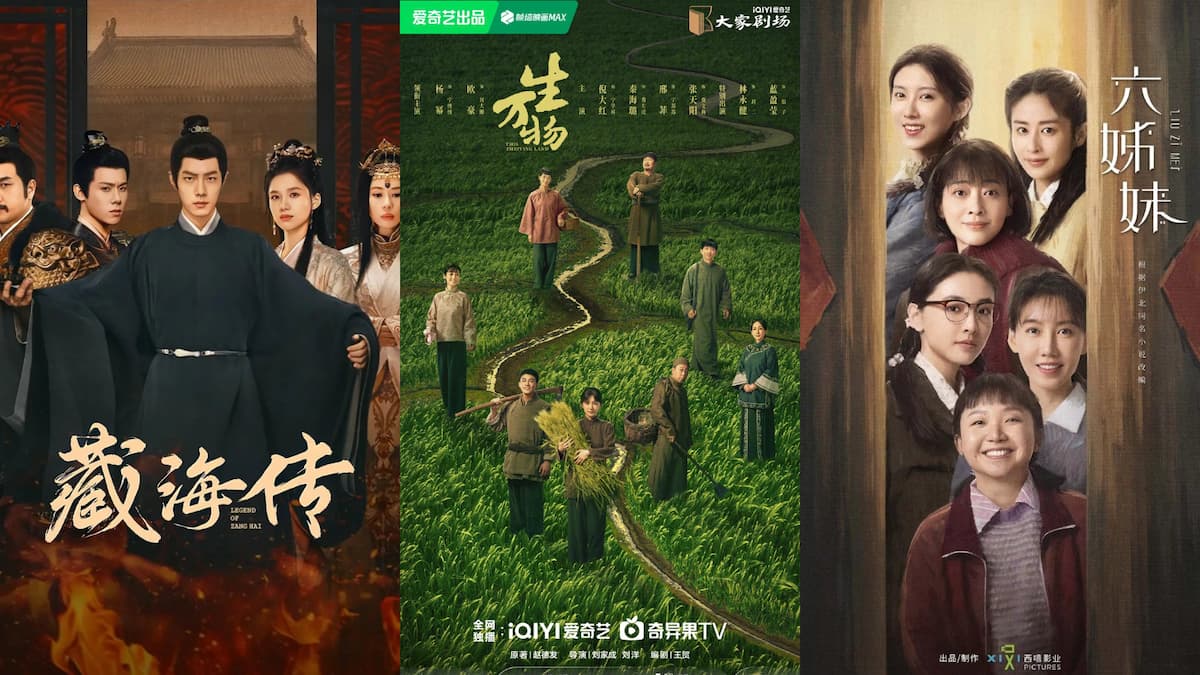
Additionally, the film merchandise market continues to grow. Beyond posters and keychains, costumes, props, official soundtracks, and even digital collectibles are sold as fan merchandise. For example, Legend of Zang Hai (藏海传) sold a digital costume of Xiao Zhan’s character for 99 yuan ($44 USD) and it sold out immediately.
Other models include cross-industry collaborations with fashion, beauty, or lifestyle brands to release exclusive merchandise. These practices expand the IP ecosystem and revitalize the traditional market.
Controversy will remain, but the film merchandise market, especially costume sales, is moving from “niche affection” toward broader consumption, combining emotional value and innovative experiences. If a work truly breaks out, the revenue potential could be substantial.
However, Chinese media, Sohu Entertainment News emphasized that two points must be noted. First, using merchandise sales as proof of a work’s breakout success can be misleading marketing. Second, fans must practice rational consumption—emotions should not justify spending beyond financial capacity.
For the film industry, the rising merchandise market is a positive development. It shows that a work’s lifespan is no longer confined to its airing period, and in the future, a healthier, sustainable ecosystem is expected.