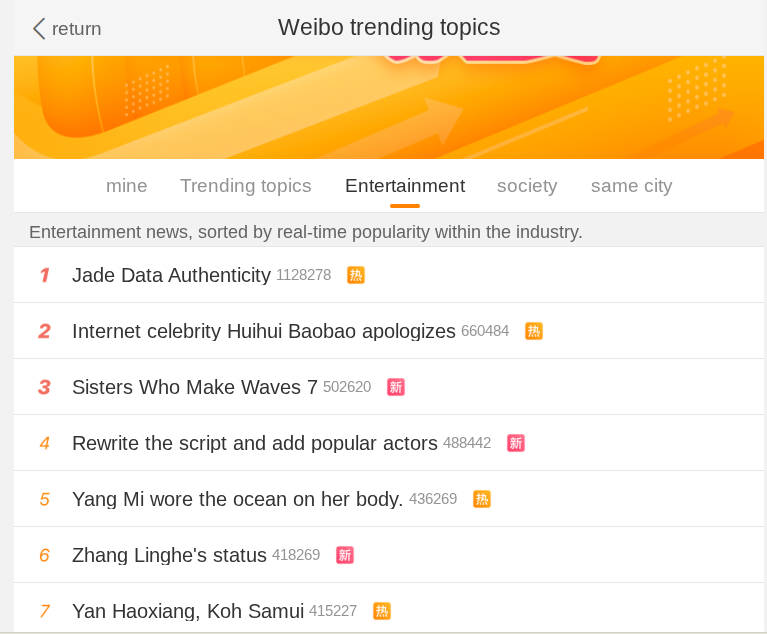
LayarHijau – Renowned Chinese screenwriter and deputy to the National People’s Congress of China, Zhao Dongling, has expressed concern about the current state of the film and television industry. She revealed that the scripts she writes are increasingly being asked to undergo revisions so that the characters can be played by popular actors with large fan bases.
In an interview with Red Star News, Zhao said the situation is very different from before. In the past, scripts she submitted to platforms were often approved without major revisions. This year, however, she has repeatedly been asked to change her stories so that the roles can match actors with high “traffic,” a term commonly used in China’s entertainment industry to describe online popularity.
Next articles
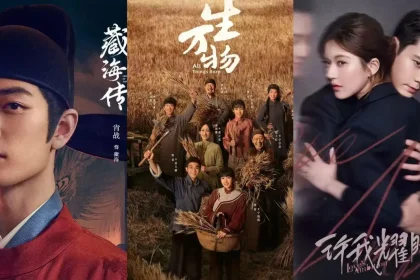
Zhao Dongling is widely known for her work in both television and film. On television, she wrote the script for the drama Ordinary Greatness starring Bai Lu as well as the series Red Sorghum. In film, she was also involved in writing Cow and Four Hands.
According to Zhao, this phenomenon is part of what she calls “唯流量论,” or the “traffic-only theory.” The term refers to an industry mindset that places excessive emphasis on online popularity—such as fan numbers, trending topics, and fandom activity—when making decisions about film and television productions.
She believes this culture is closely linked to several problems seen in the entertainment industry today, including fan wars, extreme fandom behavior known as “饭圈文化,” and disputes over the lead actor position known as “撕番.” In international terms, this practice is often described as fighting for top billing, where actors compete to have their names placed first in the credits or promotional materials.
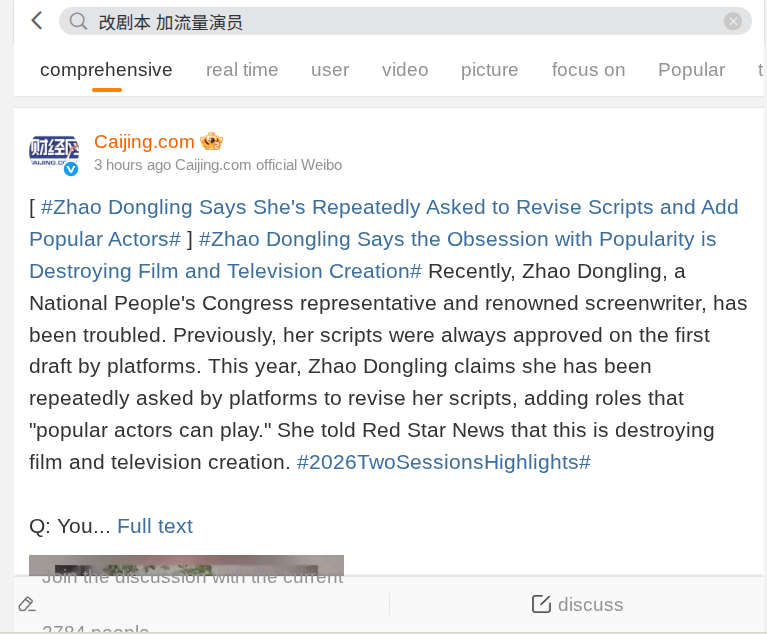
According to Zhao Dongling, pressure from traffic culture often forces strong stories to be altered so they fit the popular actors involved in a project.
“Once a high-traffic actor joins the project, the entire crew ends up adjusting the story around them. A story that was originally very good ends up being changed,” she said.
She also noted that the situation becomes even more complicated when the project is adapted from an existing work such as a novel. If changes are made to the story, fans of the actors often protest because they feel their idol’s character is not being treated the way they expect.
Zhao warned that platforms that continue to chase trends in this way could ultimately harm themselves in the long run.
“Right now they only chase traffic. In two years they might only chase AI. They keep following trends, but never truly focus on the core of the industry,” she said.
At the same time, Zhao acknowledged that technological developments such as artificial intelligence will continue to influence the entertainment industry. She even mentioned the possibility that AI could one day replace actors.
“If AI’s capabilities reach a certain level in the future, actors might not even be needed anymore,” she said.
However, Zhao emphasized that the long-term health of the film and television industry depends on returning to its most fundamental element.
“If we want the industry to develop in a healthy way, we must return to good stories,” she said.